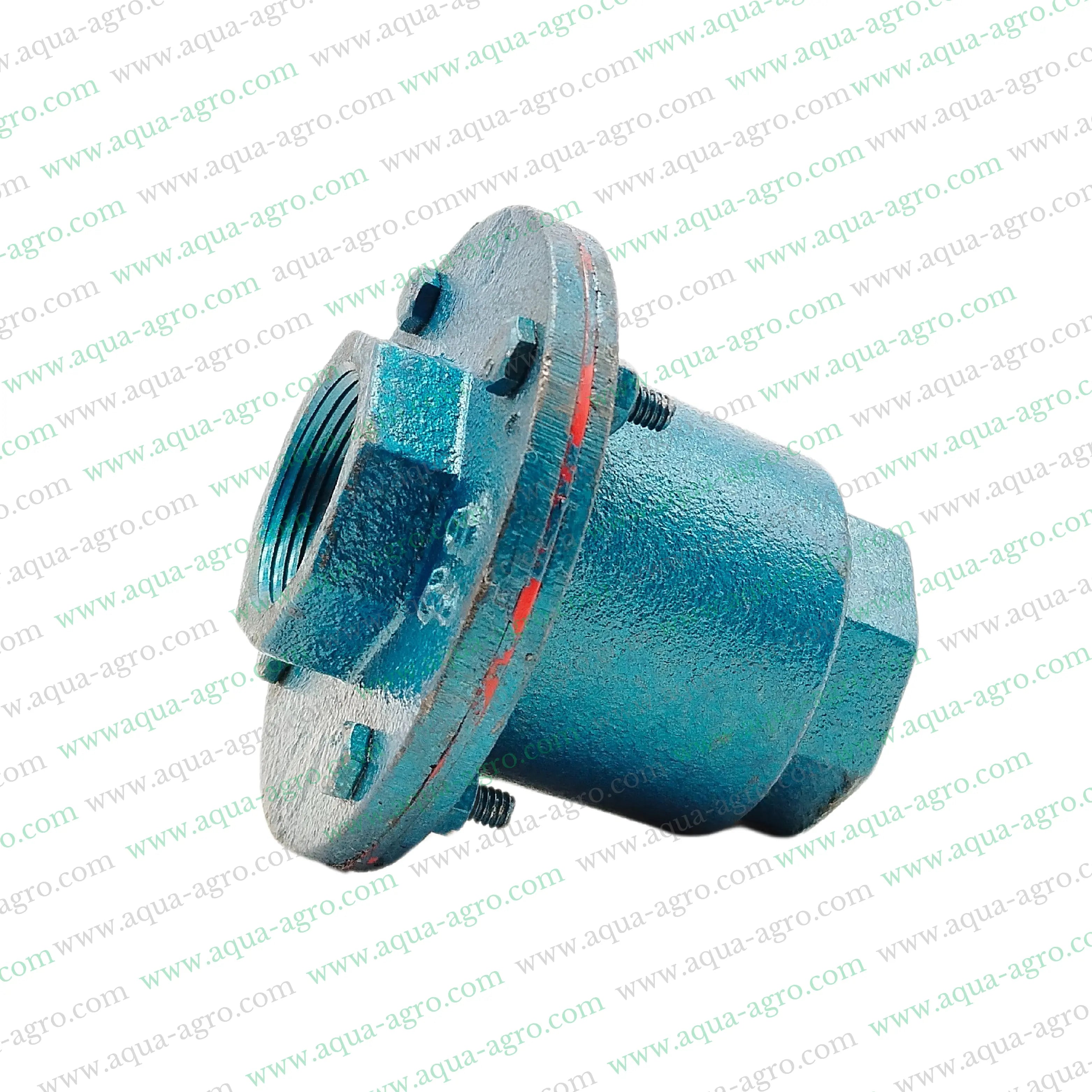
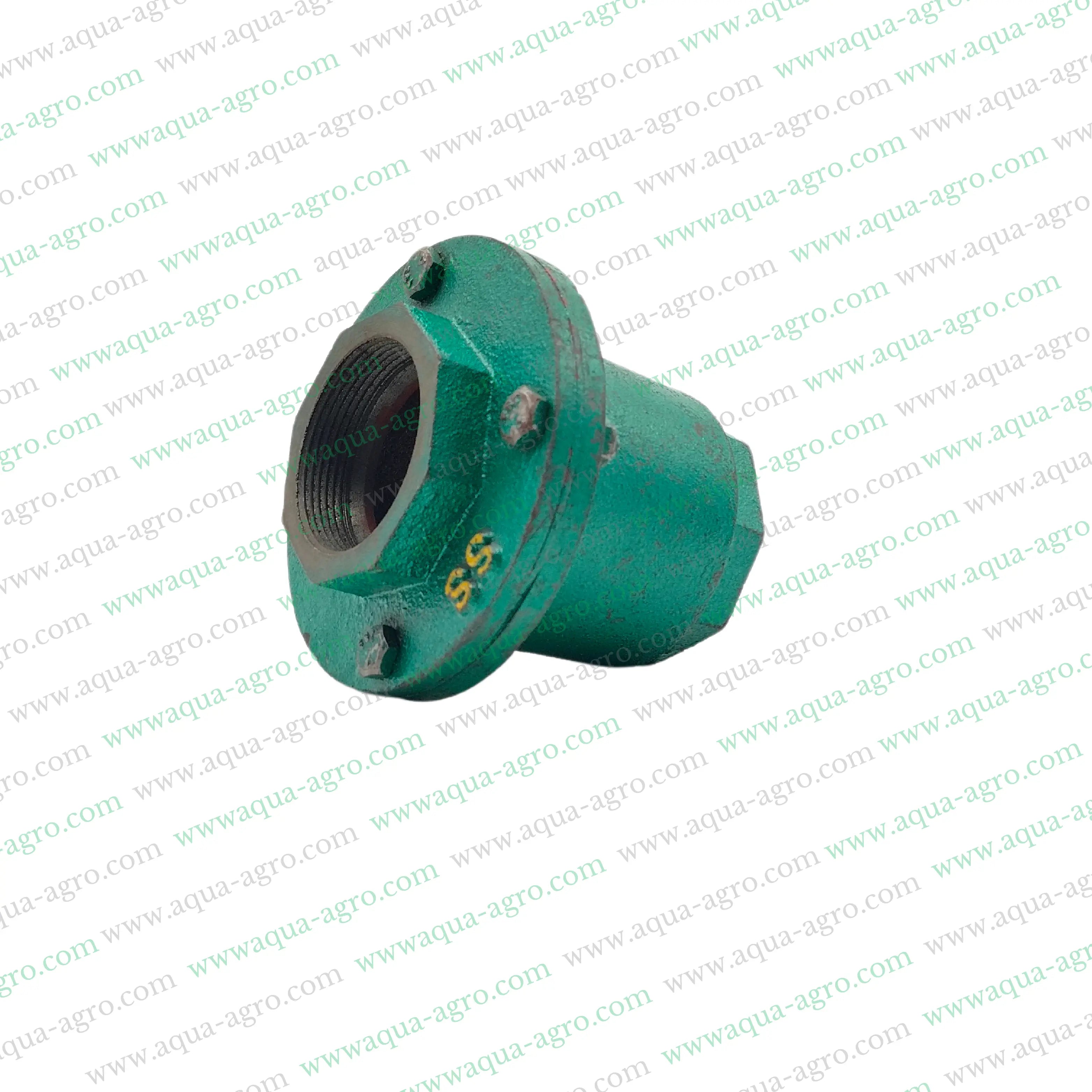
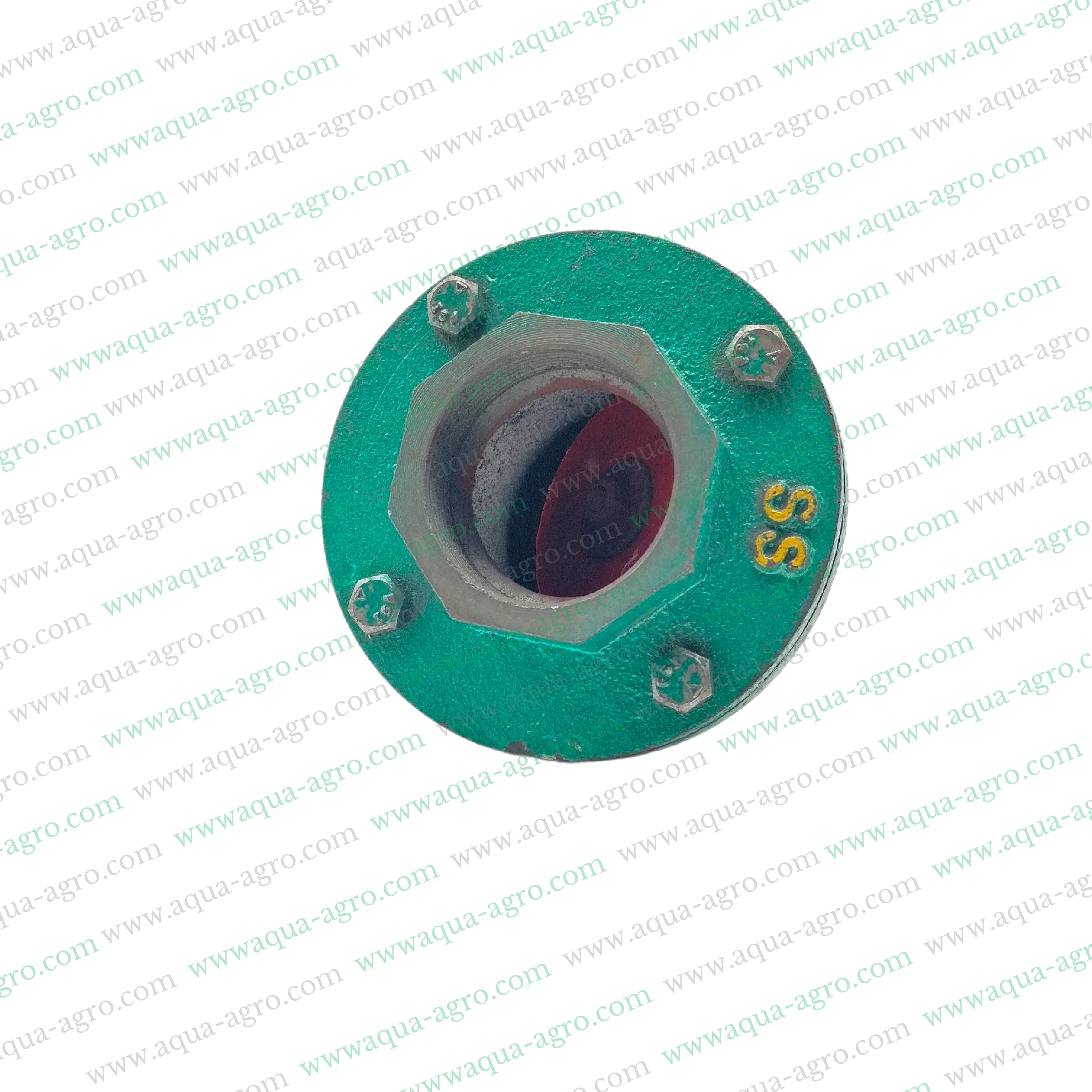
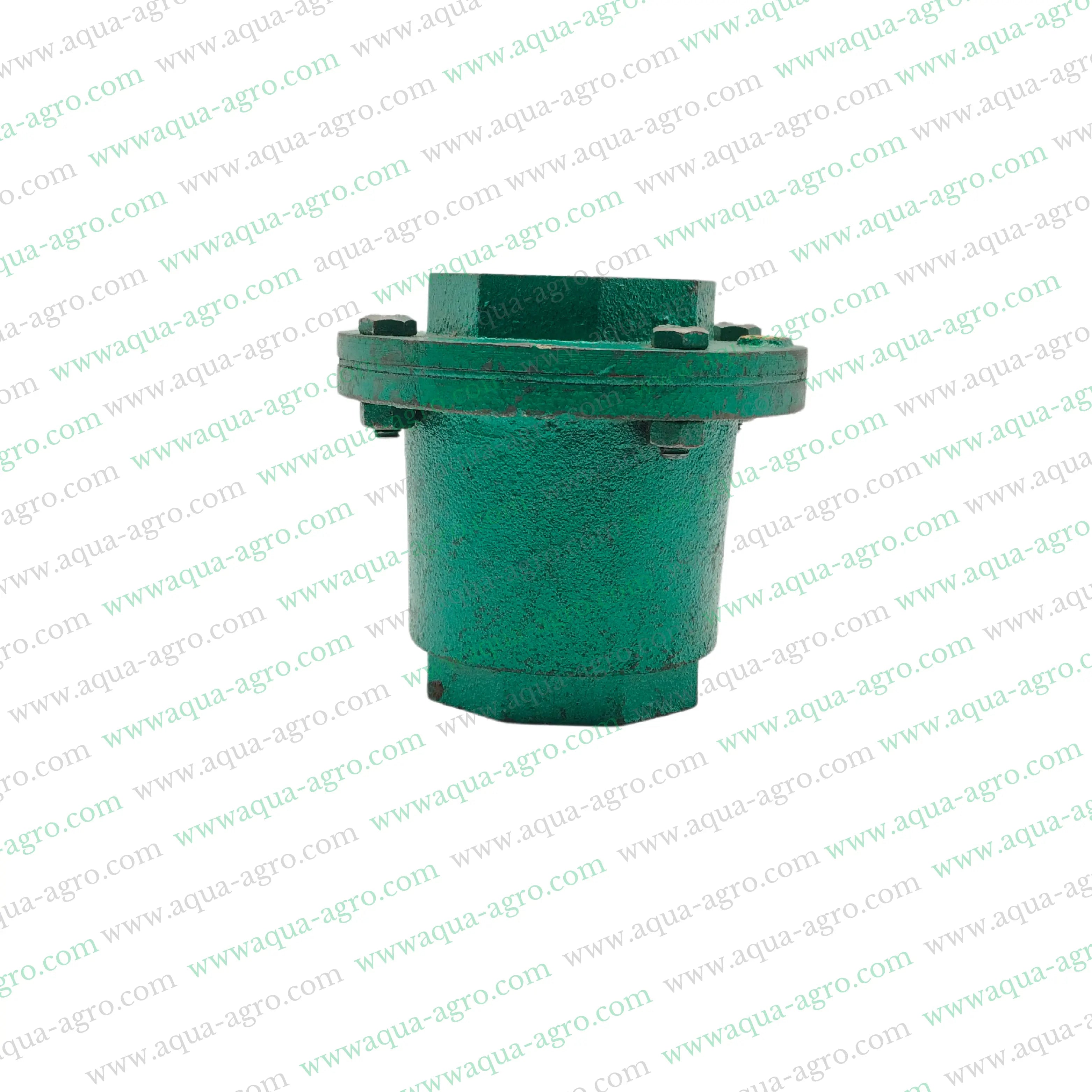
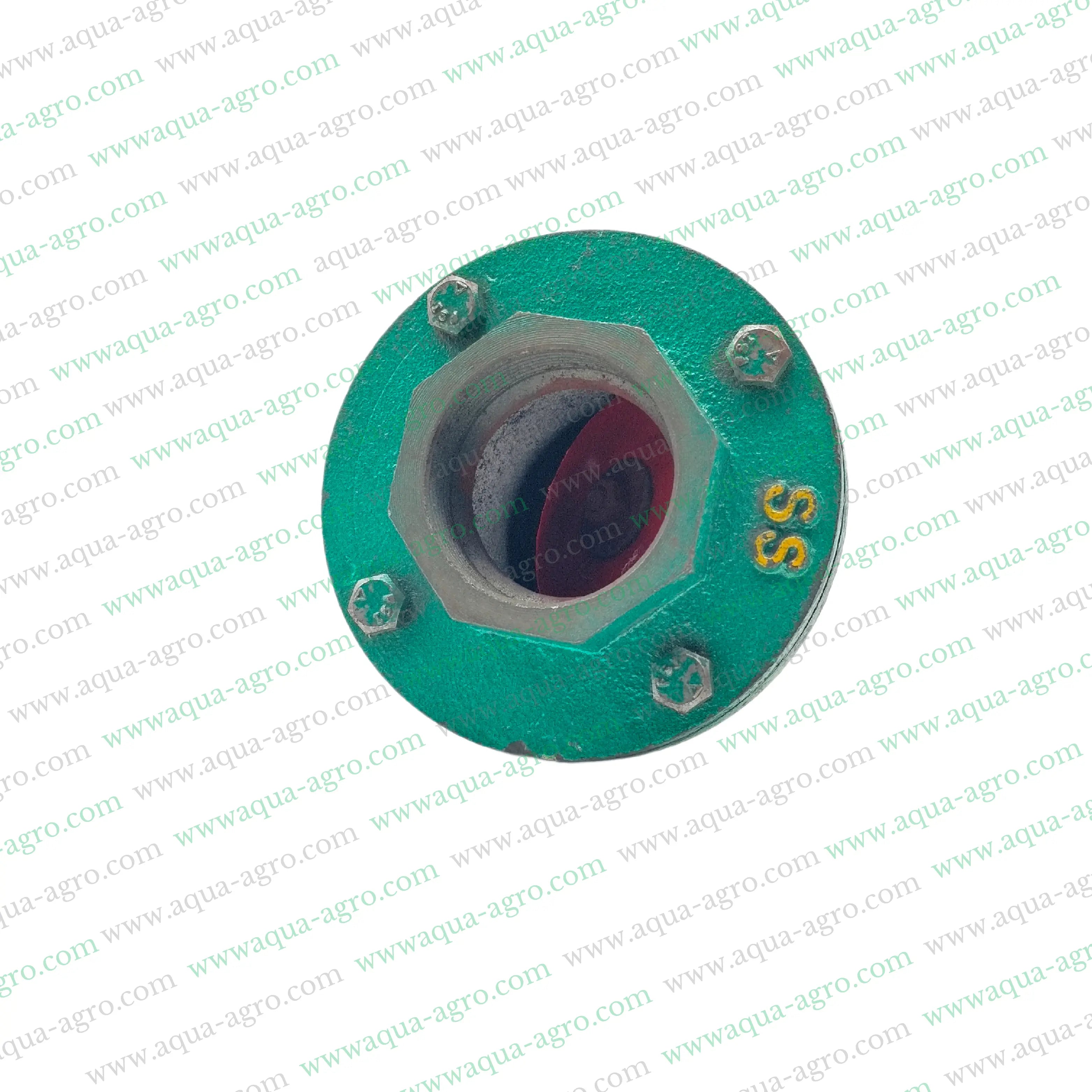
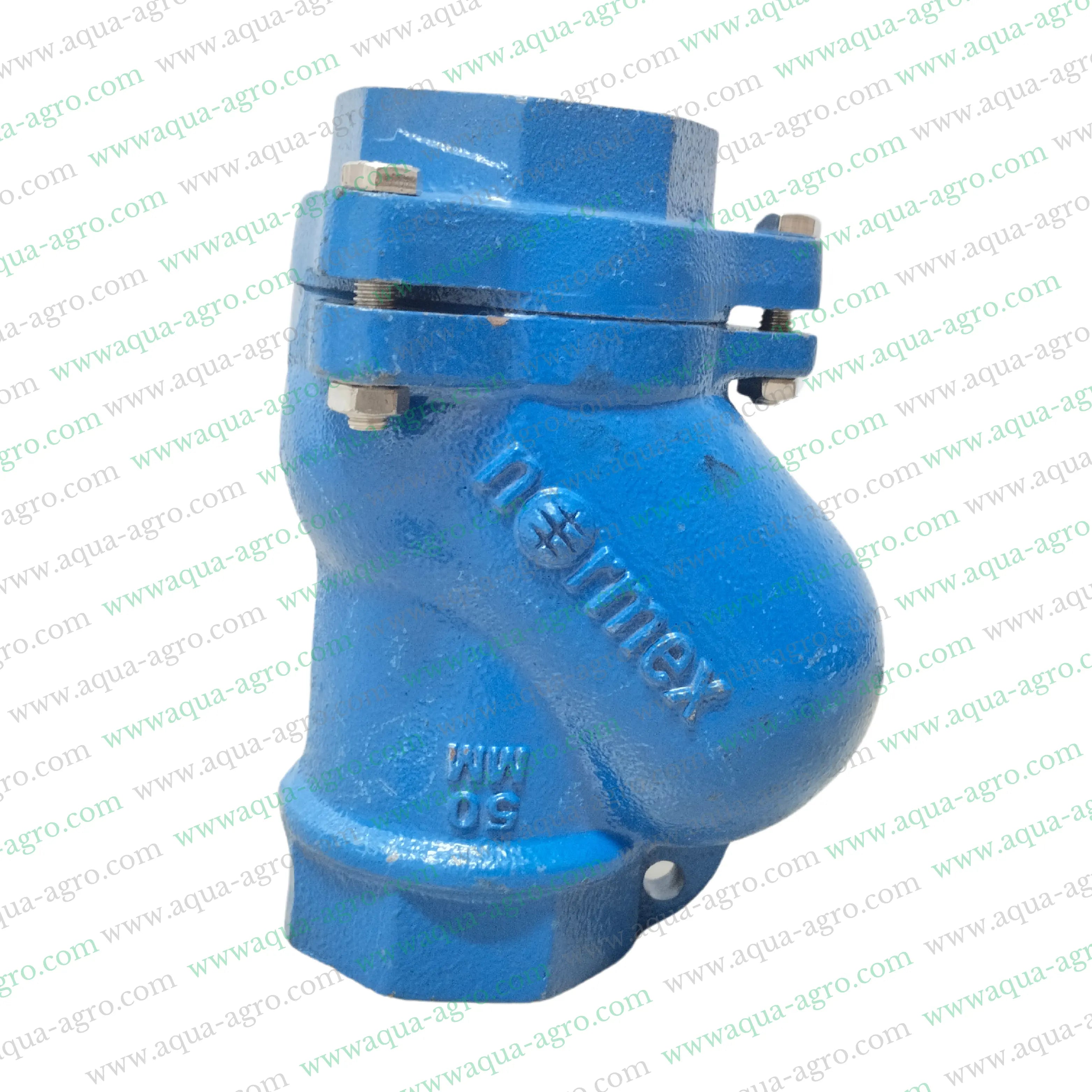
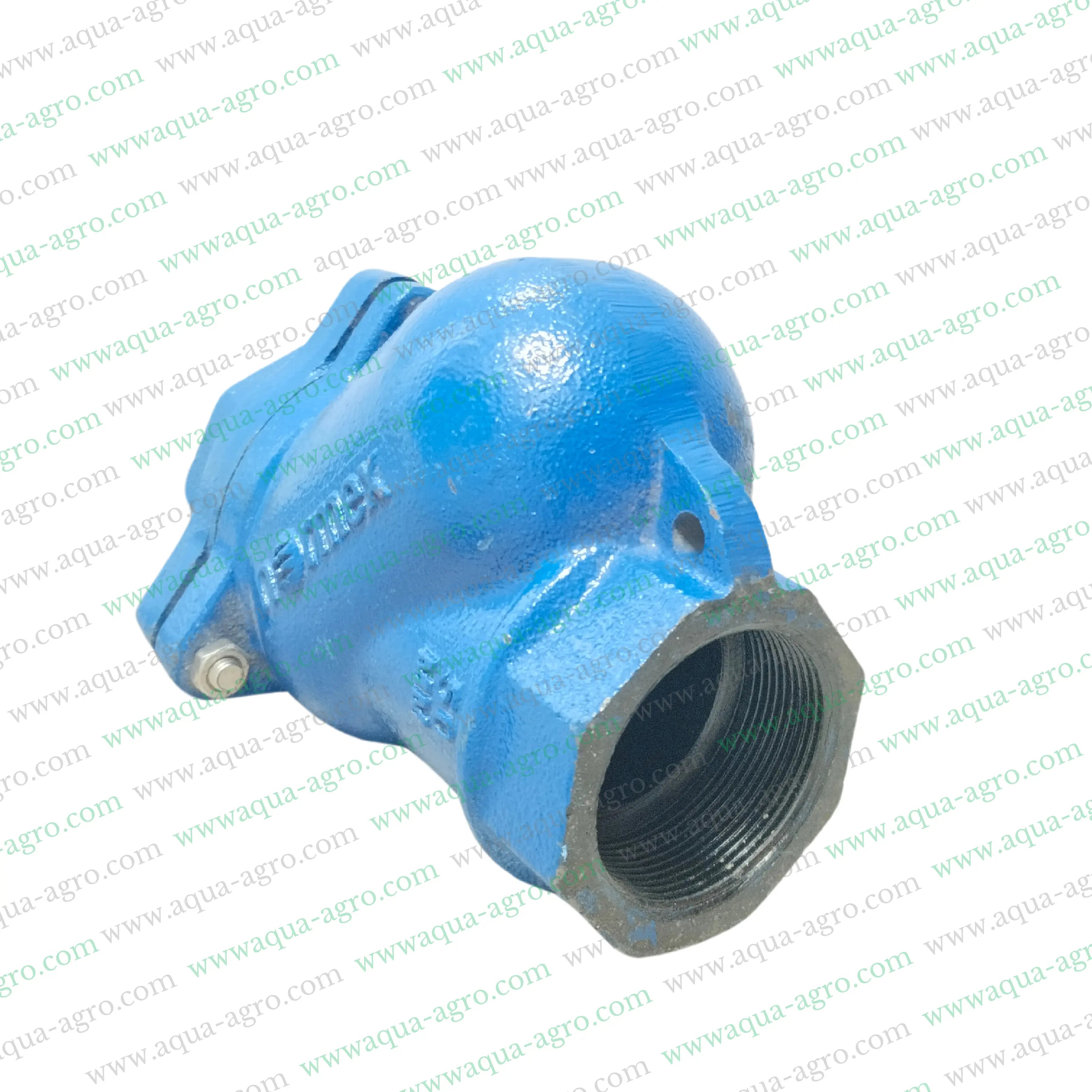
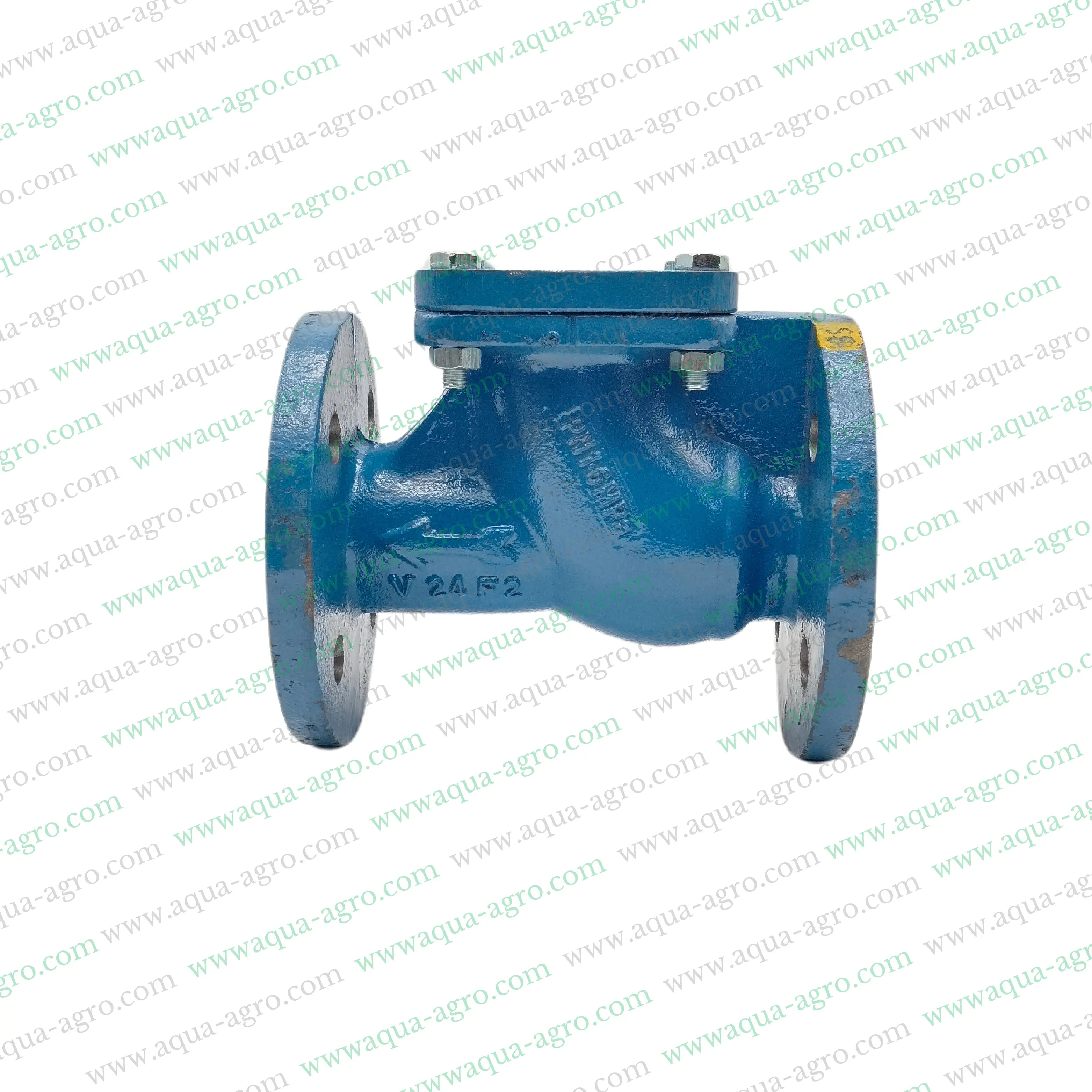
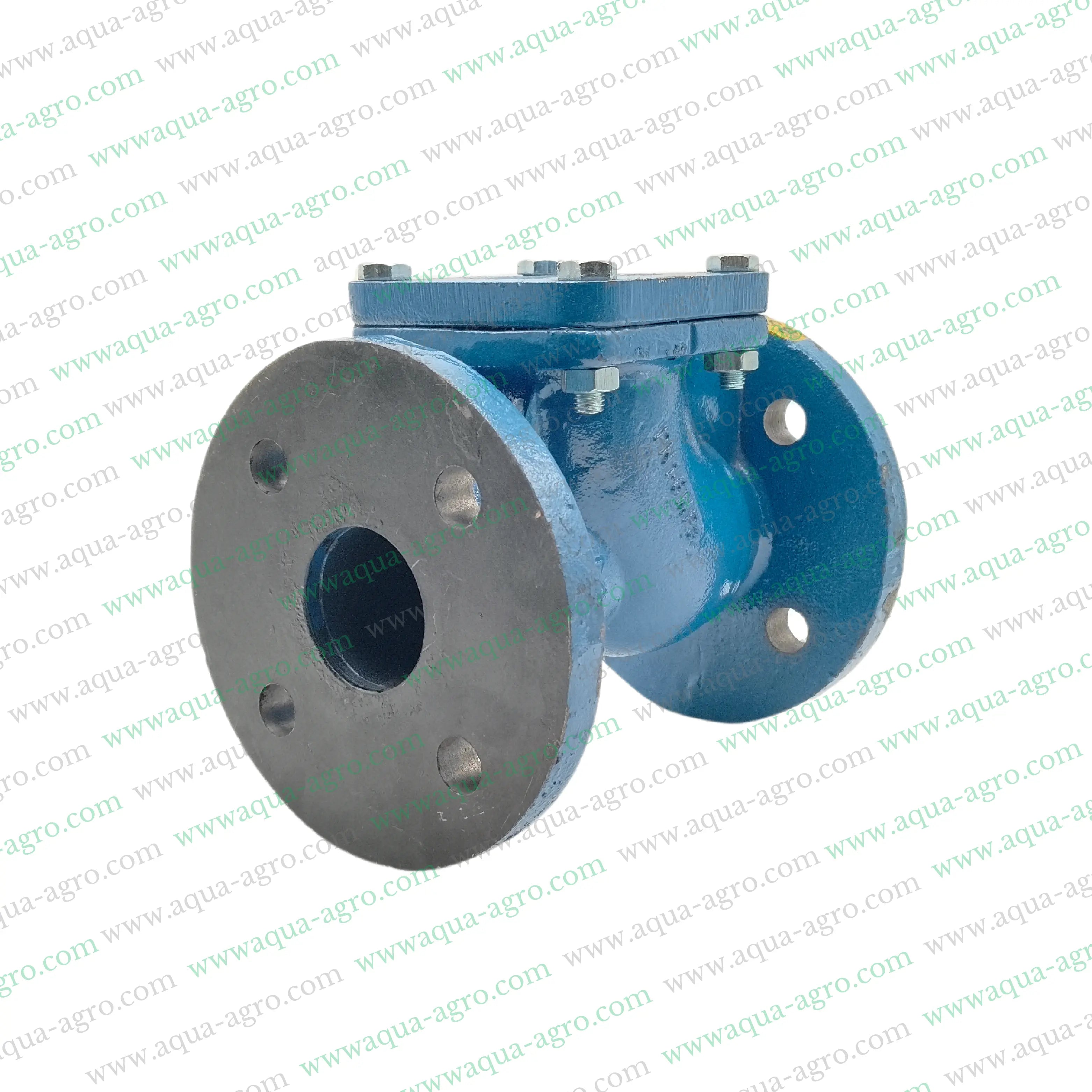
Introduction to Non Return Valve (NRV-Metal)
If you want to prevent backflow in your fluid systems, you have to pick up non return valves (NRVs). They ensure smooth and efficient fluid movement. Non return valves help maintain pressure stability, improve system efficiency, and reduce maintenance costs. You can use them in a water pump system or an industrial pipeline.
What is a non return valve?
Non return valve function
Your non return valve prevents backflow of water in your watering systems by ensuring that fluids flow in one direction. Preventing backflow is absolutely needed in systems if you want consistent pressure and unidirectional flow. It could be for irrigation, water supply, and industrial pipelines.
How non return valves prevent backflow
Non return valves operate using a simple mechanism: a flap, disc, or ball inside the valve opens when fluid flows in the desired direction and closes when the flow stops or reverses. This automatic closing action ensures that water or other liquids do not backflow, preventing contamination, pressure loss, and potential system damage.
Applications of non return valves
- Agricultural irrigation systems: Prevents water from flowing back into the pump and contaminating the supply.
- Industrial pipelines: Maintains pressure and protects sensitive equipment.
- Plumbing systems: Prevents back-siphoning, ensuring clean and safe water distribution.
- Water pump systems: Enhances efficiency by stopping unwanted reverse flow.
Types of non return valves
Non return valve types
Non return valves are available in different materials and designs, each suitable for specific applications.
PVC non return valve
- Lightweight and corrosion-resistant, ideal for water and irrigation systems.
- Affordable and easy to install.
Brass non return valve
- Durable and resistant to high pressure and temperature fluctuations.
- Commonly used in industrial and high-performance applications.
Stainless steel non return valve
- It doesn't rust and works great in harsh settings.
- Used in water treatment plants and chemical plants.
Cast iron non return valve
- They are used for large buildings and in industries that work on a big scale.
- Cast iron NRVs are designed to handle high-pressure flow.
- They are highly durable.
Comparison of materials and their applications
PVC
Lightweight, corrosion-resistant, affordable
Water supply, irrigation systems
Brass
Durable, handles high pressure & temperature
Industrial pipelines, plumbing
Stainless Steel
Corrosion-resistant, long-lasting
Chemical processing, marine industries
Cast Iron
Heavy-duty, high-pressure handling
Large-scale industrial applications
Non return valve for water pumps
Water pump non return valve
It is important to have water pump non return valves in pump-driven systems. But why?A water pump NRV will help you keep the water flowing properly and stop pressure loss.
This is how you make sure that water moves through the system smoothly and doesn't go back to the pump.
Ensuring proper flow in pumping systems
- Prevents backflow, protecting pumps from damage.
- Helps maintain pressure consistency in irrigation and industrial systems.
- Reduces energy consumption by ensuring efficient water movement.
Benefits in agricultural and industrial settings
- Agriculture: Prevents contamination and ensures a steady water supply for irrigation.
- Industry: Helps maintain optimal fluid movement in pipelines and hydraulic systems.
Factors affecting non return valve price
Material and build quality
Opt for NRVs made of higher-quality materials like stainless steel and brass. They are expensive but last longer and are extremely reliable.
Design complexity
Specialized non return valves with additional features, such as adjustable pressure control, tend to be more costly than standard models.
Application-specific customizations
Custom-built valves for unique industrial or agricultural applications may have higher price points due to specialized designs and materials.
Choosing the right non return valve
Key considerations for selecting non return valves
Material
Choose the appropriate material based on the fluid type, pressure conditions, and environmental exposure.
Pressure and temperature tolerance
Ensure the valve can handle the system’s operating pressure and temperature range.
Maintenance requirements
Select a valve that offers easy maintenance and durability for long-term performance.
Installation and maintenance of non return valves
Best practices for installation
- Ensure correct valve orientation to prevent flow restrictions.
- Use compatible fittings and sealants to avoid leaks.
- Test the valve after installation to confirm proper function.
Tips for regular maintenance and longevity
- Periodically check for debris and buildup inside the valve.
- Inspect for leaks or pressure drops that could indicate wear.
- Replace worn-out components to maintain efficiency.
Innovations in non return valve design
Latest trends and technologies in non return valves
Modern non-return valves use the following to make them more effective and long-lasting:
- advanced sealing technologies
- materials that don't rust
- well-thought-out designs
Industrial valves are also getting smart tracking systems built in so that performance can be tracked in real time.
Importance of selecting the right valve for optimal performance
Picking the correct non-return valve is important for keeping the fluid systems in your farms and industries working well, stopping leaks, and making sure they last a long time.
Always choose a high-quality valve that fits your needs. This is how you make the system more reliable and effective, whether it's for water pumps, commercial uses, or farming irrigation.