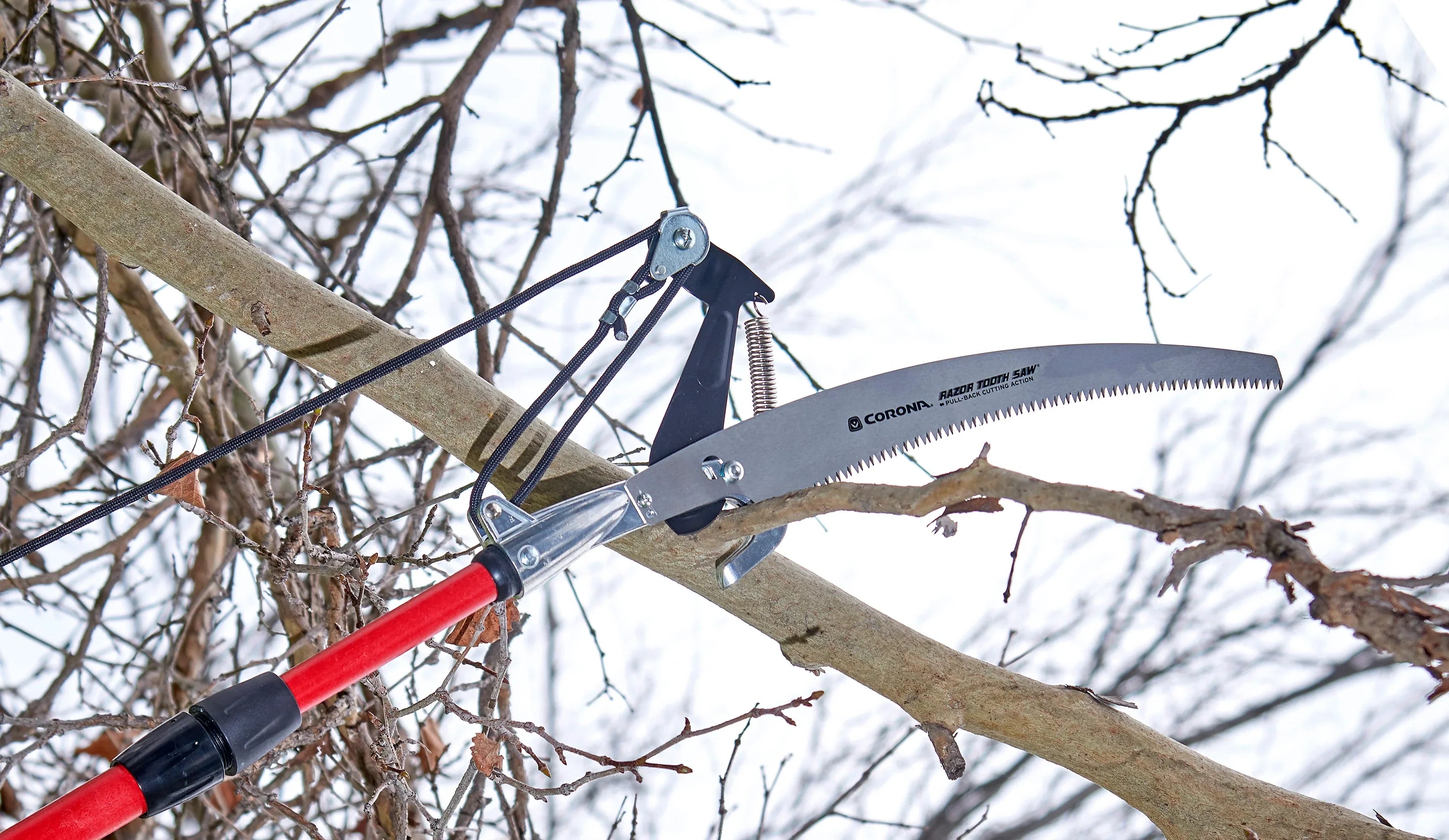
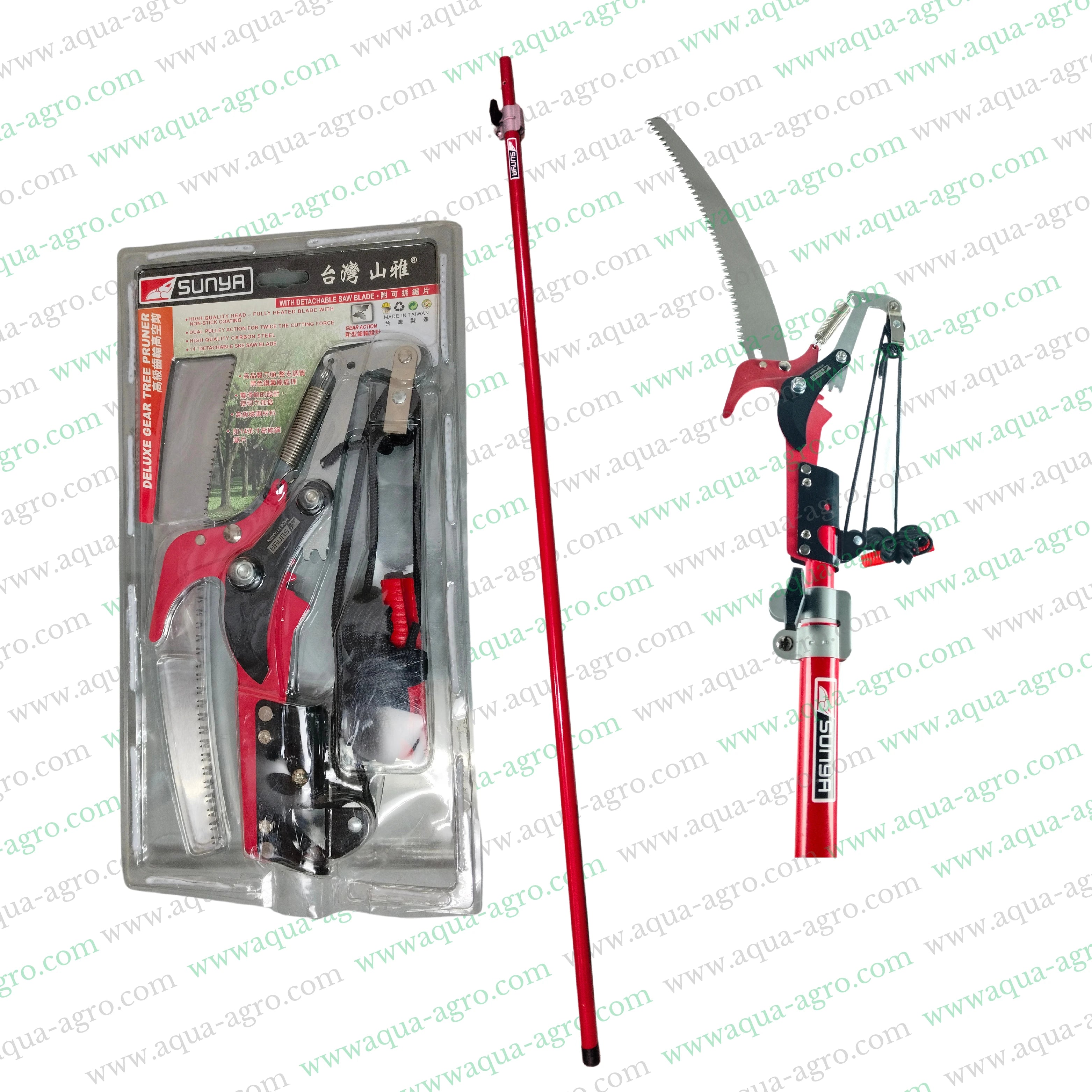
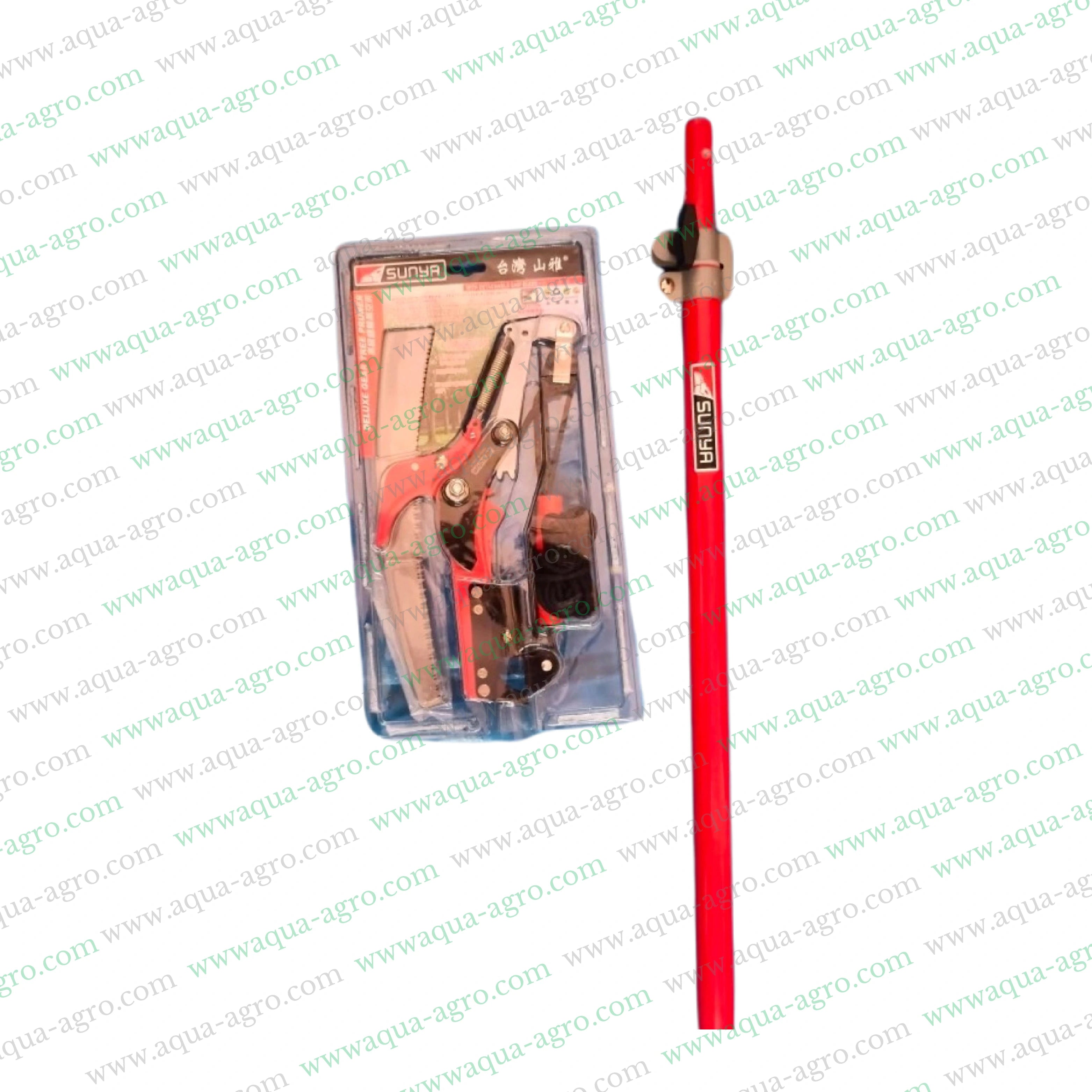
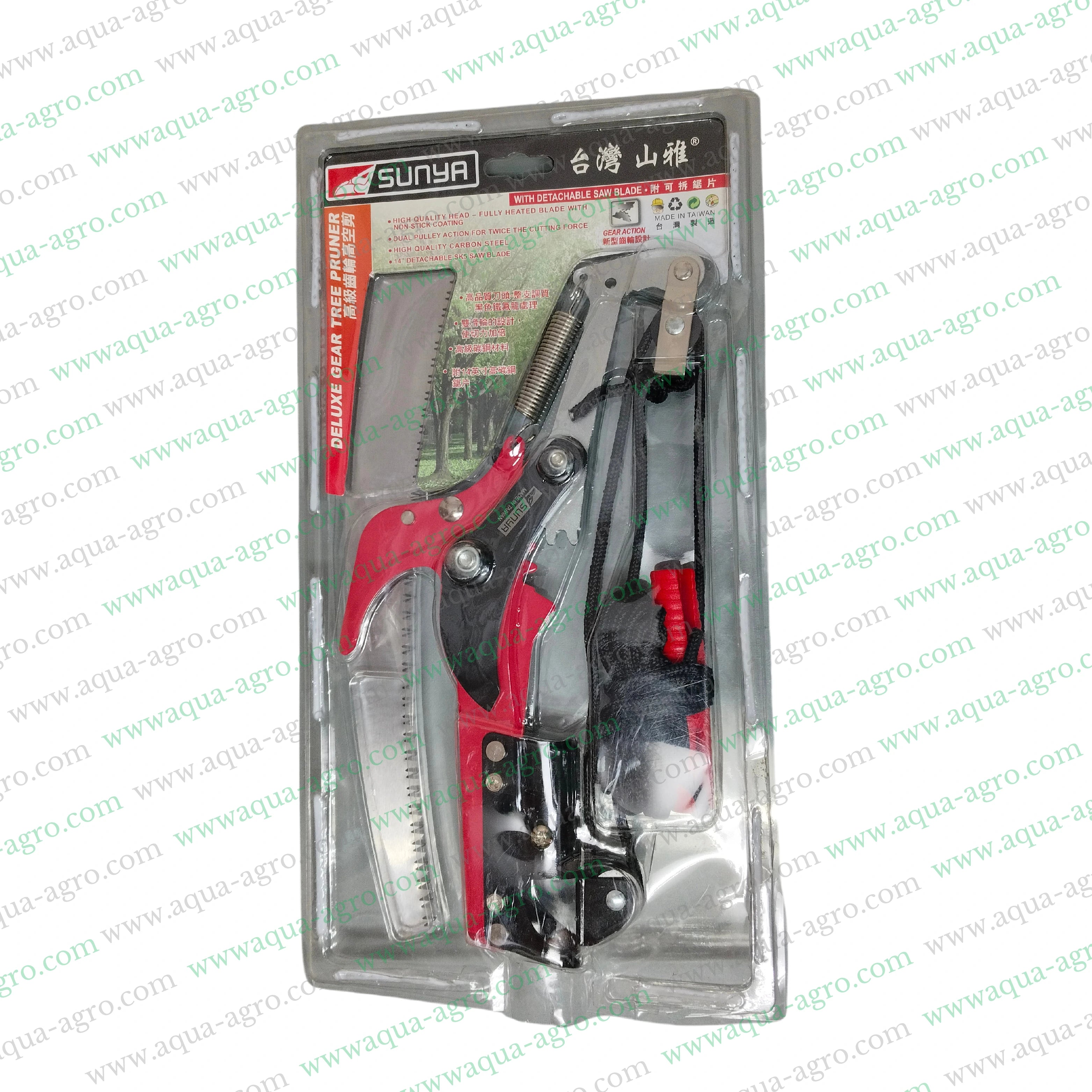
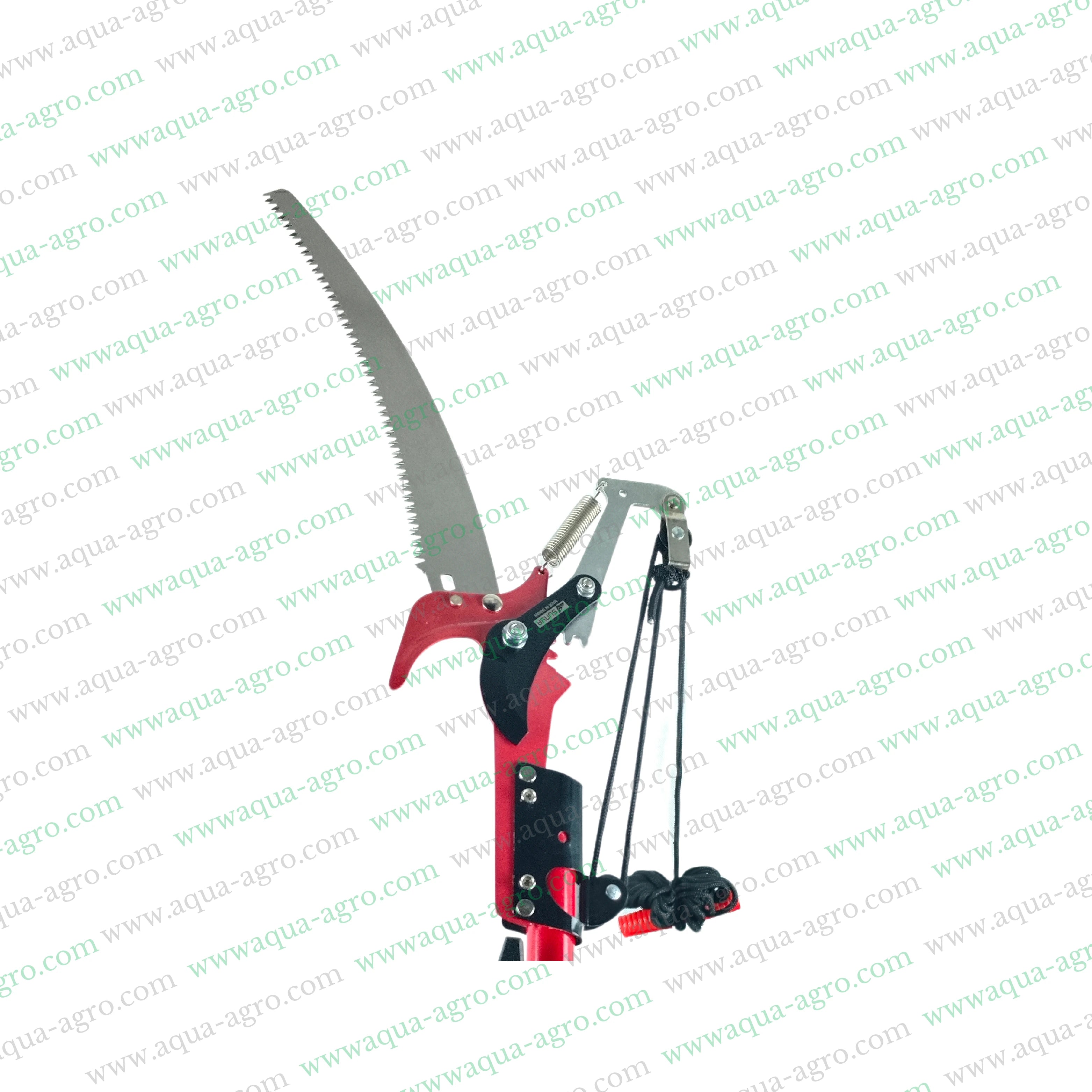
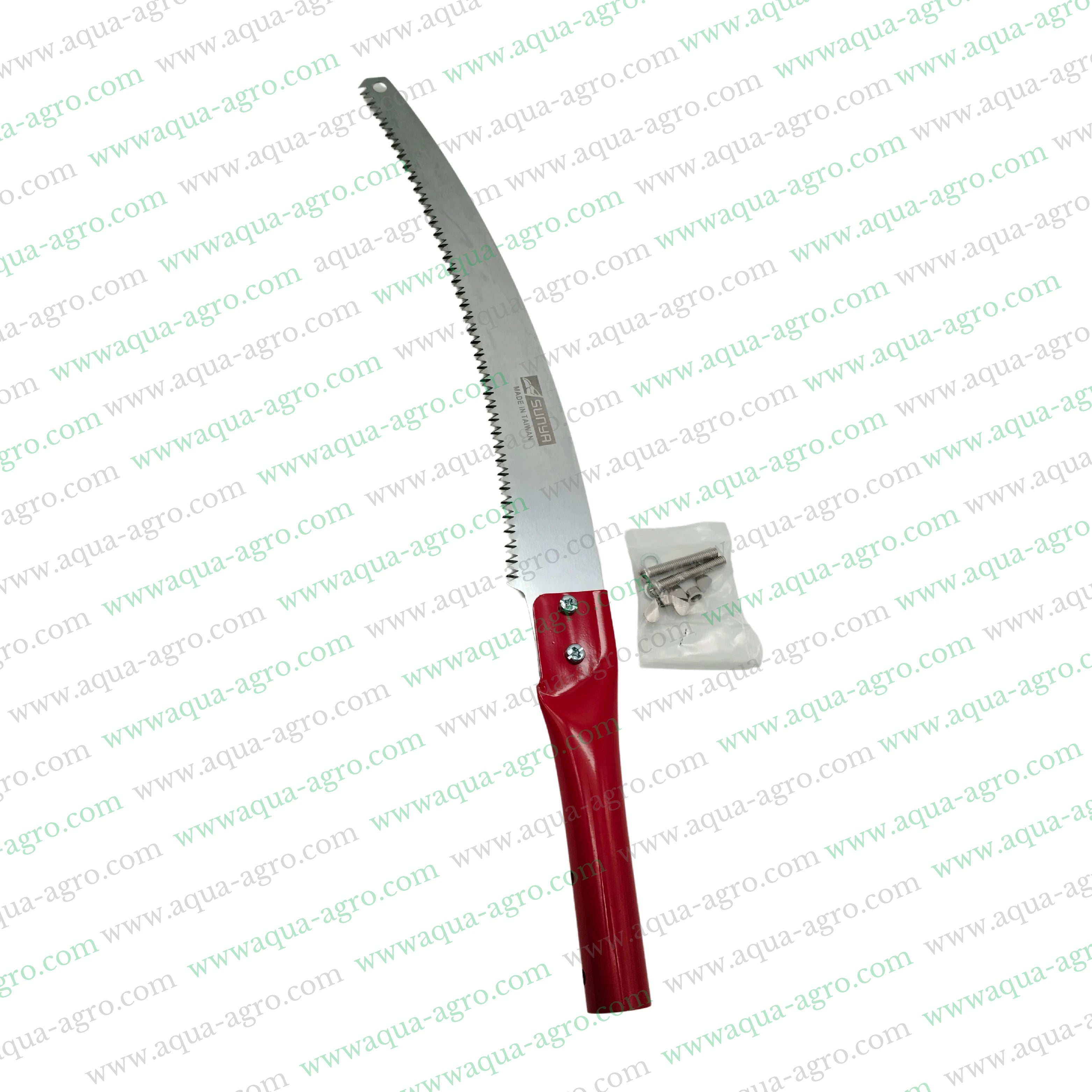
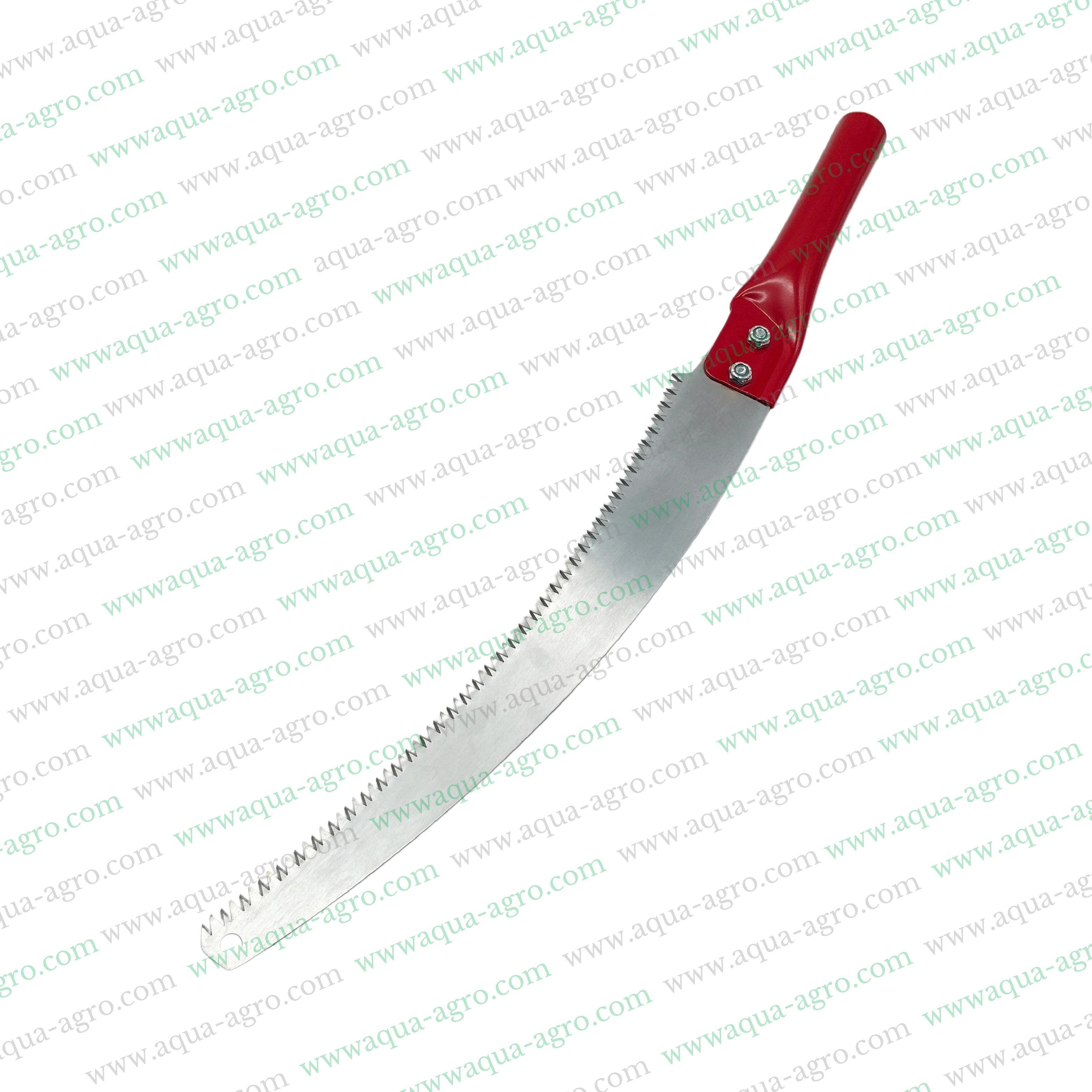
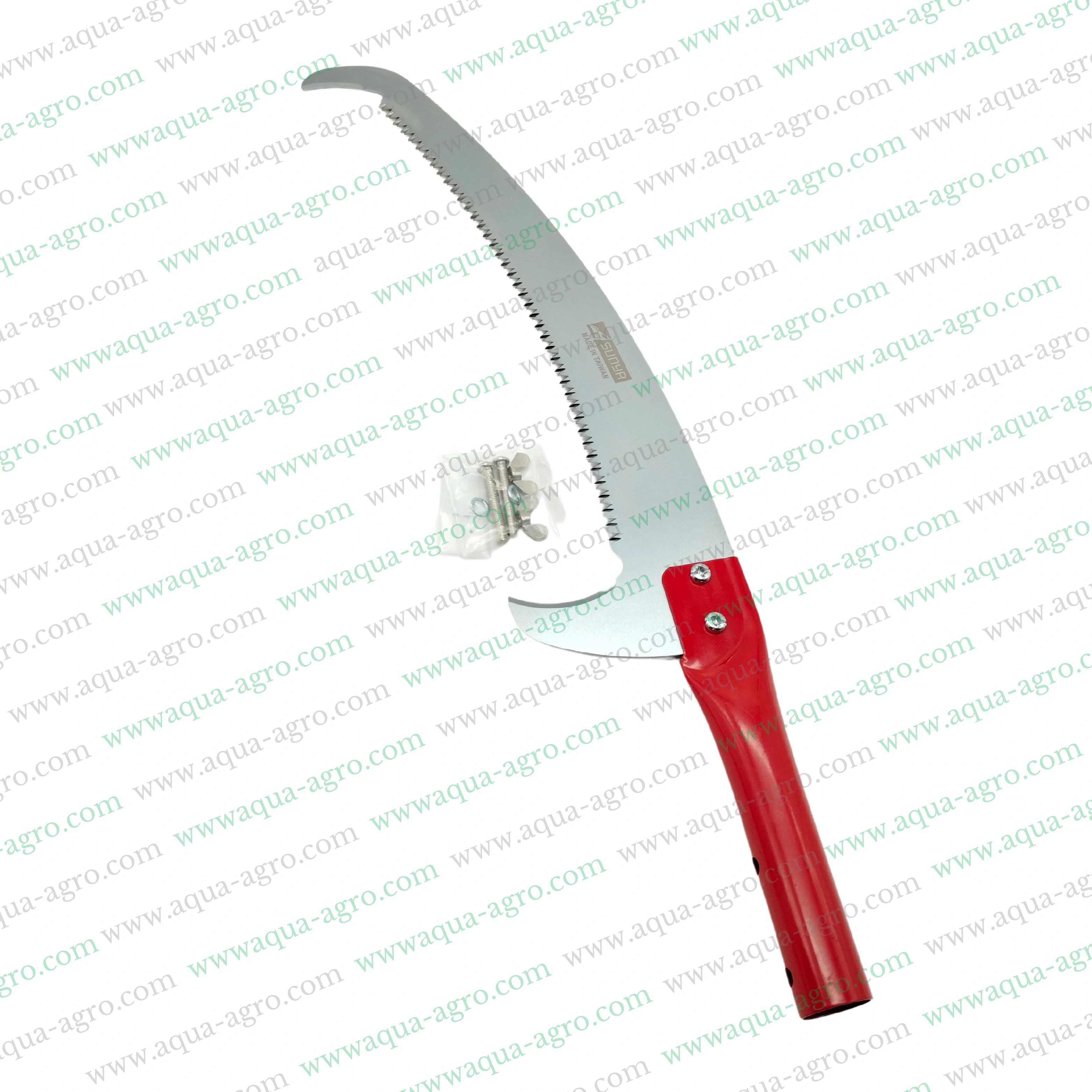
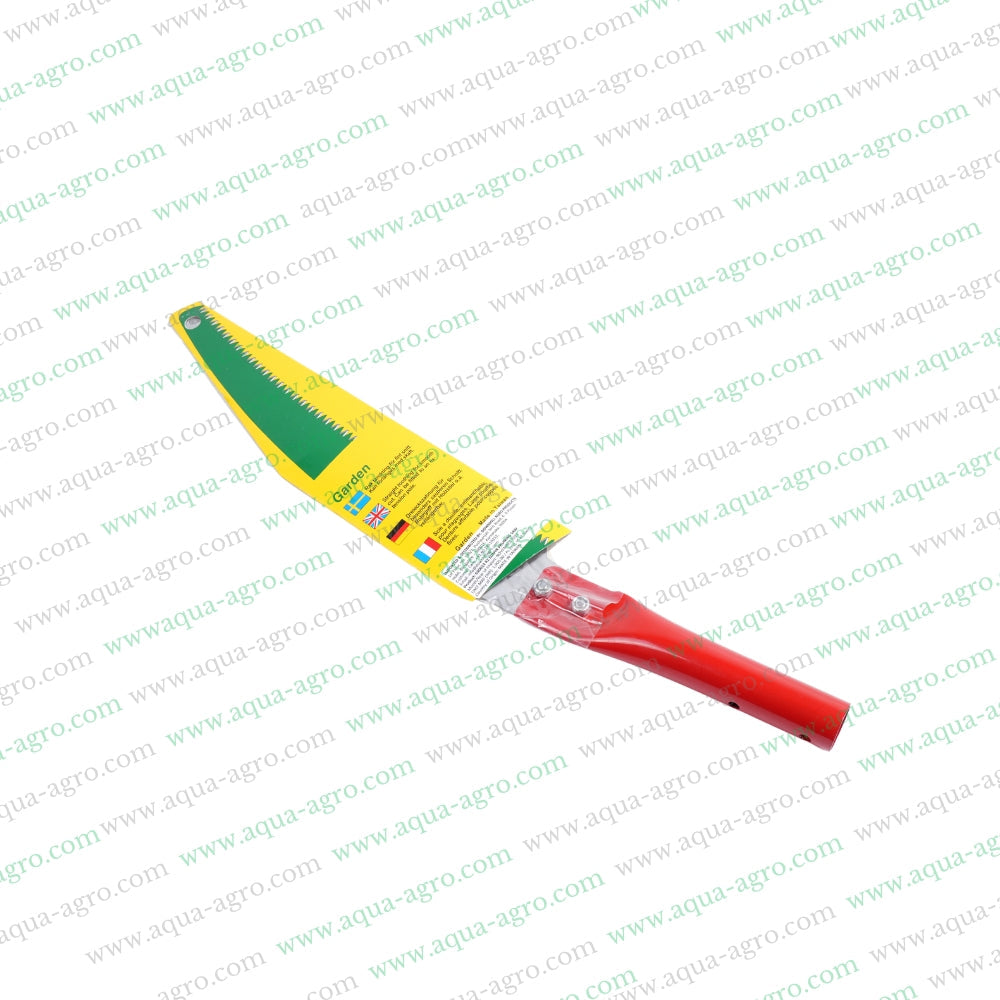
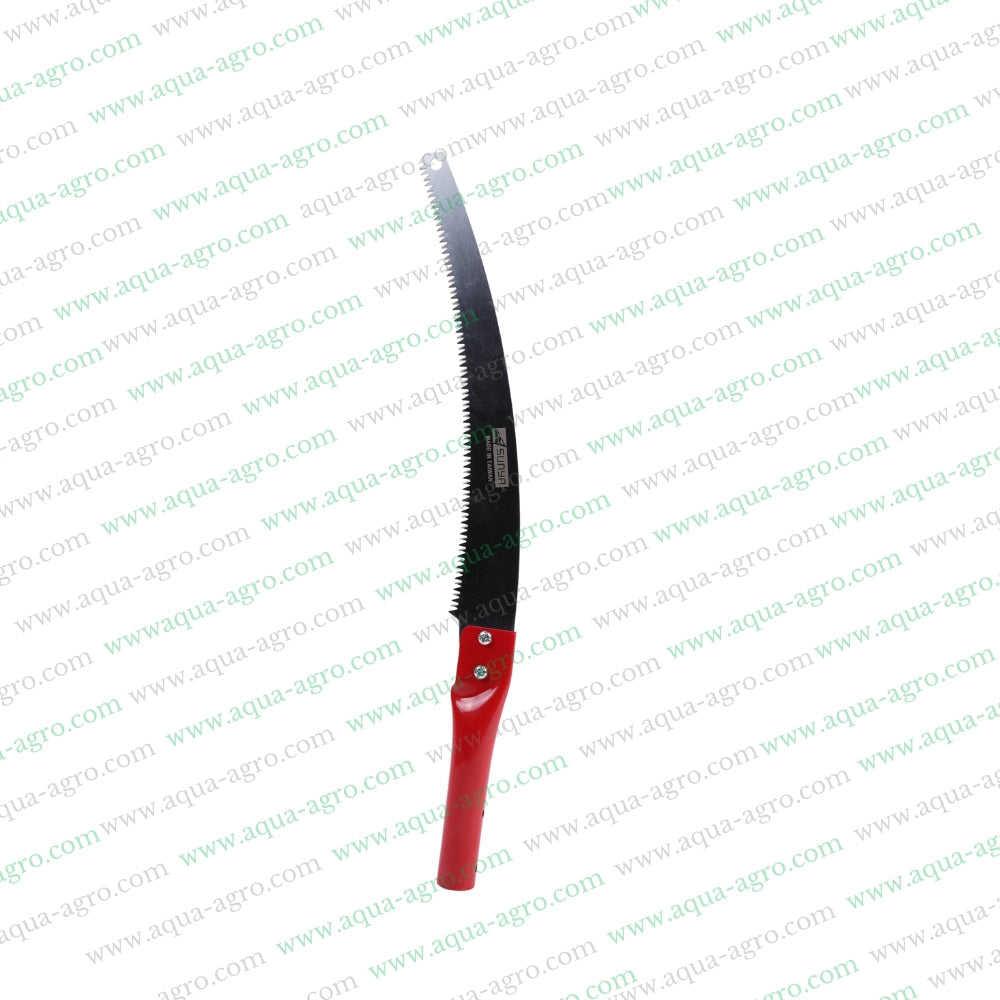
A pole pruner saw will help you prune high branches safely and efficiently without the need for ladders. A pruning saw is mounted on an extended pole and is a very handy tool for farmers and gardeners.
How does a pole pruner saw work?
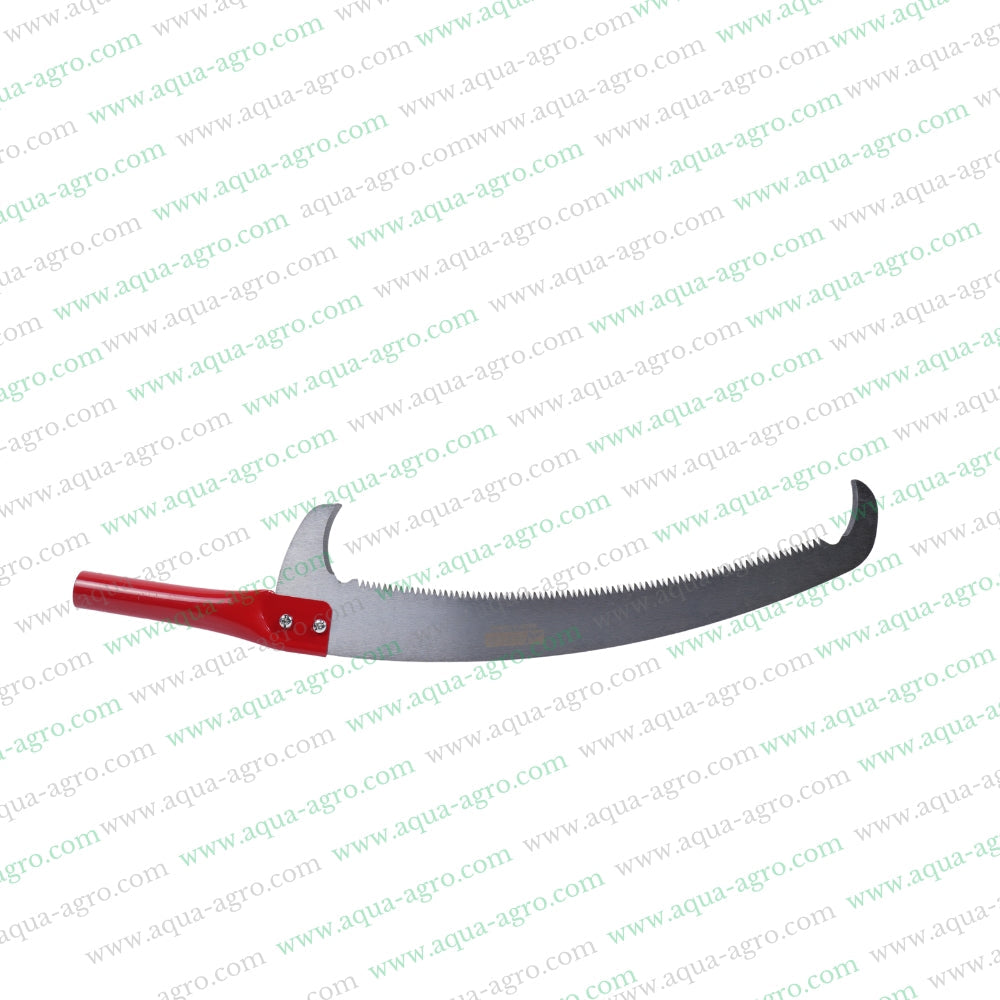
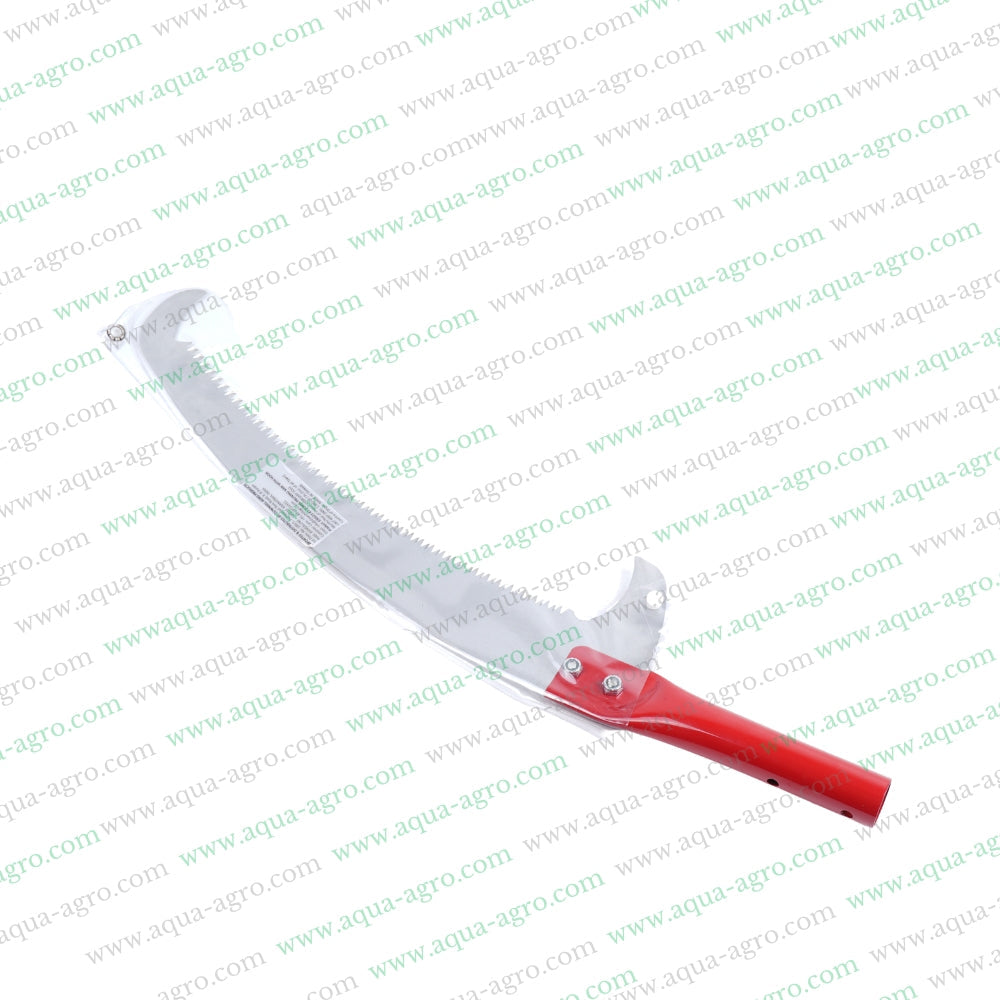
A pole pruner saw / pole pruning saw has a curved, heat-treated blade. It has a simple saw-like motion, sawing through branches cleanly. The extendable pole gives an increased reach to saw off thicker branches during trimming.
How to choose the right pole pruner saw?
Here are some things to consider when you shortlist a pole pruner saw:
1. Blade type
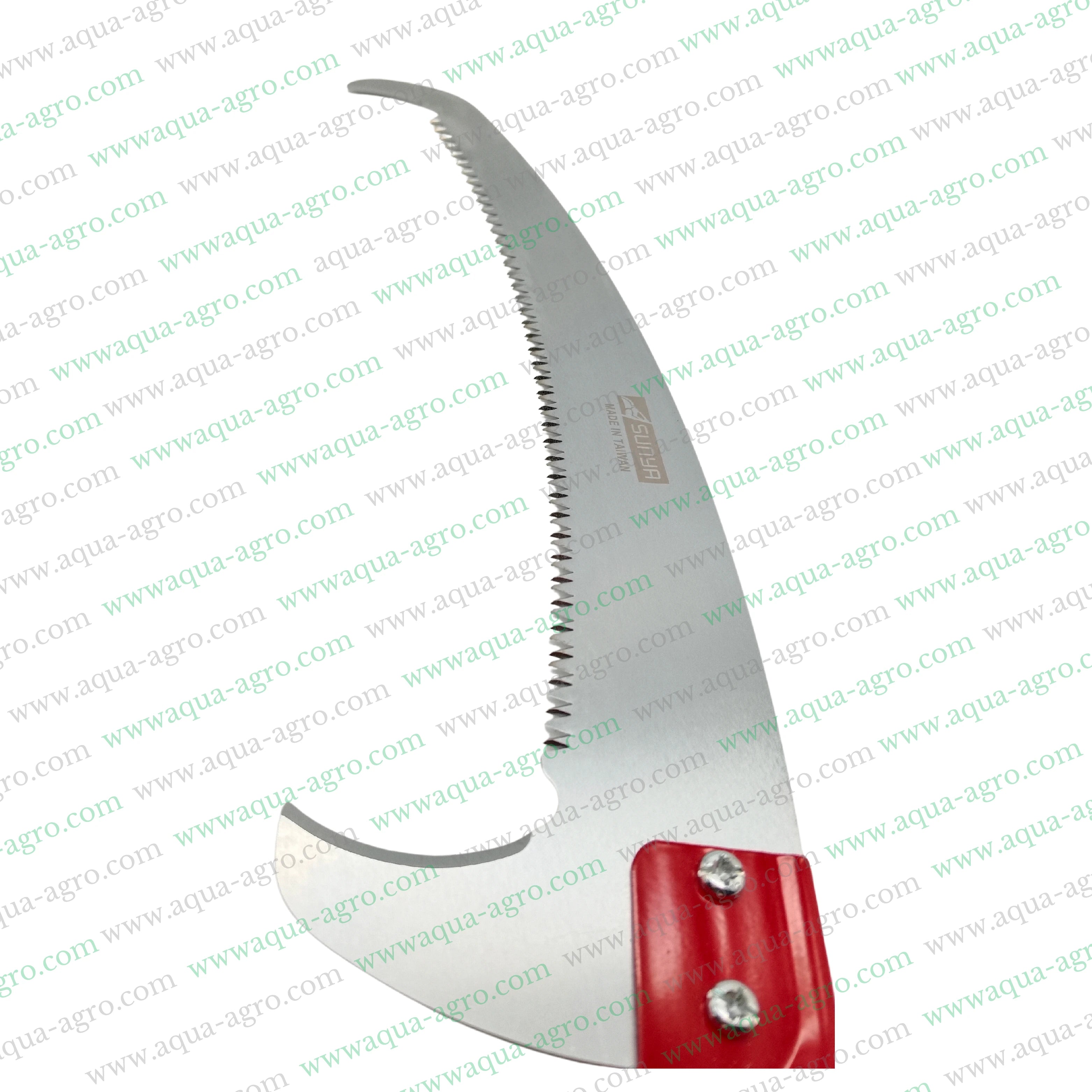
Always go for a heat-treated, rust-resistant steel blade. This is to ensure that your tree pruning saw can withstand frequent use. Also prefer curved blades with sharp teeth, which are perfect for tackling thick branches. A double-hook design for your saw provides added stability during pruning.
2. Pole length
If there are high branches that you must prune and no ladders are around, telescopic poles are a must-have. Opt for adjustable poles that can extend up to 10 feet or more. They help trim hard-to-reach areas with absolute ease. You just have to ensure the locking mechanism of the telescopic pole pruner saw is sturdy to maintain the desired pole length during use.
3. Material quality
The overall material of the pole pruner saw, aka tree pruner cutter, determines how well it works and how long it lasts. Lightweight yet strong materials, such as aluminium or reinforced fibreglass, would be a better choice. They keep you from getting tired if you are using them for longer durations. A handle with a non-slip grip makes it easier to control and safer.
4. Ease of use and maintenance
Pick a pole pruner saw with some easy-to-use features. Replacing the blade of these pole pruner saws must be easy and should take very little time. Also, the pole pruner saws you pick should have simple maintenance requirements. Tools that are easy to clean and lubricate will last longer and work better every time.
Consider all these factors to select the best pole pruner saw.
Benefits of pole pruner saws
1. Better reach: The best feature of a tree pruning saw/pole pruning saw is that it can cut trees up to 10 feet high. What’s more—you don't need a ladder!
2. Better cutting: Pole pruner saws have curved blades. They are also heat-treated. This is why the cuts are clean and precise. This also keeps damage to a minimum and keeps twigs from breaking or tearing.
3. Built to last: Pole pruner saws are made to last for a very long time. The blades won't rust, and the poles are strong but not heavy. They will last for years.
Benefits of regularly maintaining your pole pruner saw
1. Longer lifespan: Your pole pruner saw will last for years if you take care of it regularly. All that you have to do is get rid of sap, dirt, and debris after every use.
2. Improved performance: Sharpen the blade of your pole pruner saw, and cutting becomes better. Clean cuts help the plants heal faster and grow healthy.
3. Safety assurance: Lubricate the pole joints and blade parts often. This is how you can make sure they work smoothly and reduce the chance that the blade will move by accident. A tool that has been well taken care of is easy to use and less likely to hurt you.
Not only will regular maintenance protect your pole pruner saw, but it will also make gardening safer and more efficient.
Products related to pole pruner saw
These are some of the garden cutting tools and tree trimming tools in our store:
How to fix some common pole pruner saw problems?
1. The pole pruner saw’s blades are dull.
The blades on your tree pruner saw may get dull over time. Cutting plants with dull blades can hurt them and make them take longer to heal.
Solution: To fix the blade's edge, use a polishing tool or a fine file. Check and keep the blade sharpened on a regular basis to make sure it cuts cleanly.
If the blade is broken or worn out, replace the blades of your tree pruner saw.
2. Mechanisms are sticky
Sticky or stiff parts can make adjusting the pole annoying and hard, which can make it hard to reach higher trees. Most of the time, this problem is caused by dirt, sap buildup, or pole joints that aren't well oiled.
Solution: Take the pole apart if you can and use a brush and light soap to clean all of its working parts well.
Use a good lubricant on the joints and moving parts to make sure they work smoothly.
Make sure the pole is easy to adjust after cleaning it before putting it away.
3. The formation of rust
Rust can form on the blade or stick if it is exposed to water, sap, or is not used for a long time. This makes the tool less useful and shorter in life. Blades that are rusty are harder to clean and may get weaker over time.
Solution: After each use of your tree pruner, wipe the blade and any other metal parts down with a dry cloth. To protect the blade and pole from water, put a thin layer of rust-preventative oil or spray on them. Keep the tool away from water and humidity by putting it somewhere dry and cool.
4. Slipping of the pole
A pole that slips can be dangerous because it makes the saw unstable and makes it hard to keep the cutting height you want. It's most often caused by clamps that are too loose or closing devices that are worn out.
Solution: Look for damage or wear on the pole clamps or closing devices. Make sure the pole stays in place while it's being used by tightening the clamps or adjusting the locking parts.If the slipping doesn't stop, you might want to replace the old parts to get full usefulness back.
By checking and maintaining your pole pruner saw/tree pruner cutter on a regular basis, you can avoid these common problems and enjoy a safe and easy gardening experience.
FAQs about pole pruner saws
What is the difference between a pole pruner and a pole saw?
A pole pruner is used for exact cuts on twigs and tiny branches. For cutting bigger, harder branches, a pole saw is used. Although both are used for tree maintenance, their usefulness relies on the thickness and kind of branch being chopped.
Can I use pole pruning saws to cut thick branches?
Yes! Most pole pruning saws can saw off strong and thick branches.
What is the best pole pruner saw for trees?
Use a telescopic pole pruner with heat-treated, rust-resistant blades. These instruments give the required reach and durability for long usage and neat cuts.
Are pole pruners safe to use?
Yes! You can cut high branches from the ground, even if you don’t have a ladder. To reduce dangers while sawing, ensure you hold the pole pruner saw/pole pruning saw correctly, use safe pole locks, and keep the blade sharp always.
How do I replace a blade on a pole pruner?
Changing the blade of a tree saw is quite simple.
- Unscrew and remove the old blade.
- Sanitise the blade housing to get rust or trash out.
- Using the screws supplied, align and firmly fasten the new saw blade.
- Before usage, test the pruning for seamless performance.
What are double-hook pruning saws used for?
While cutting branches, the double-hook pruning saws help to stabilise branches, thereby reducing their slippiness or swaying. Thicker or difficult-to-reach branches especially benefit from its design, as it guarantees accuracy and safety while sawing.
How do I maintain my pole pruner saw?
To keep your tree saw in the best shape:
- After every usage, clean the blade to get debris and sap off.
- Regularly sharpening the blade guarantees simple and clean cuts.
- To guarantee perfect pole adjustments, lubricate the mechanisms and joints.
- Store the tool dry to stop damage and corrosion.