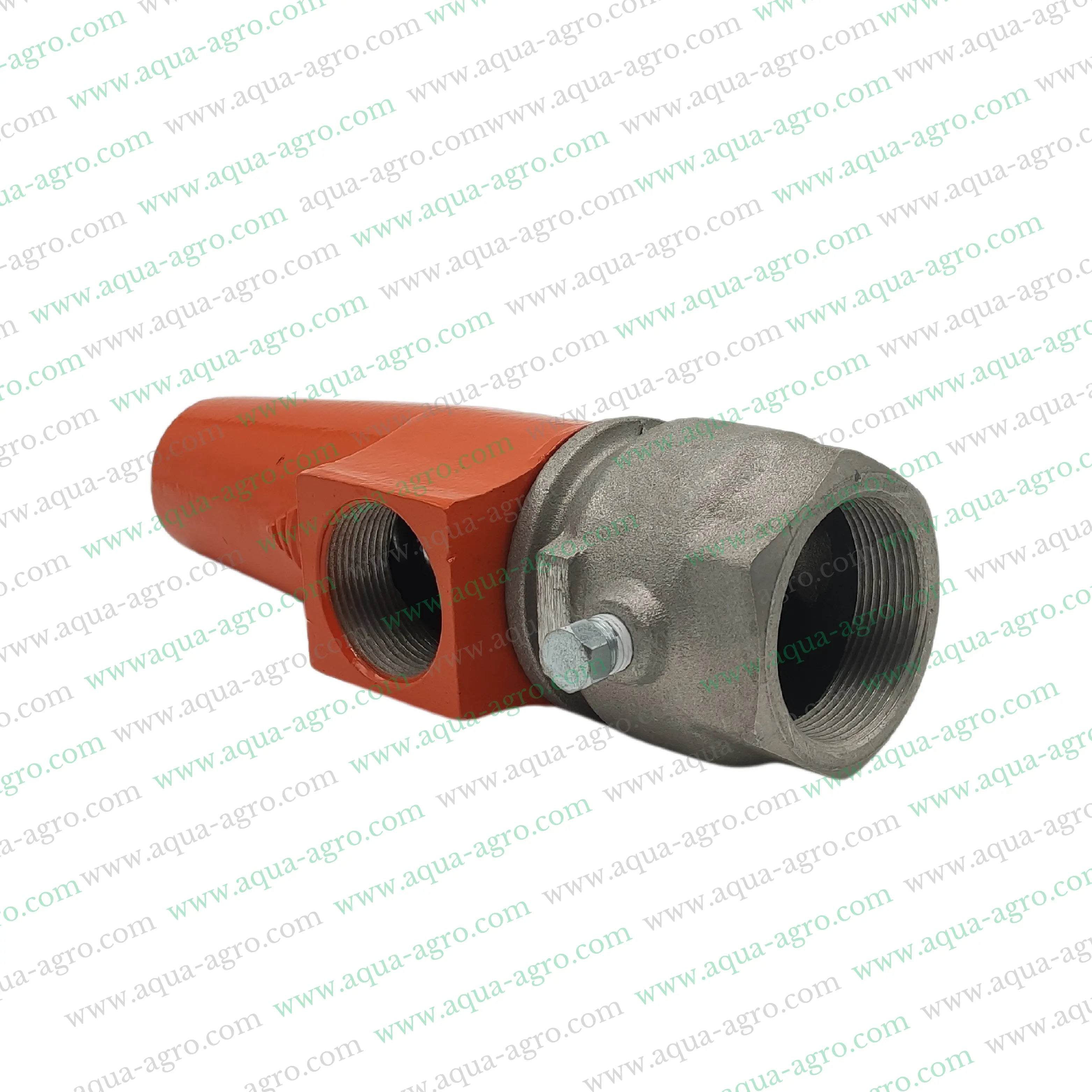
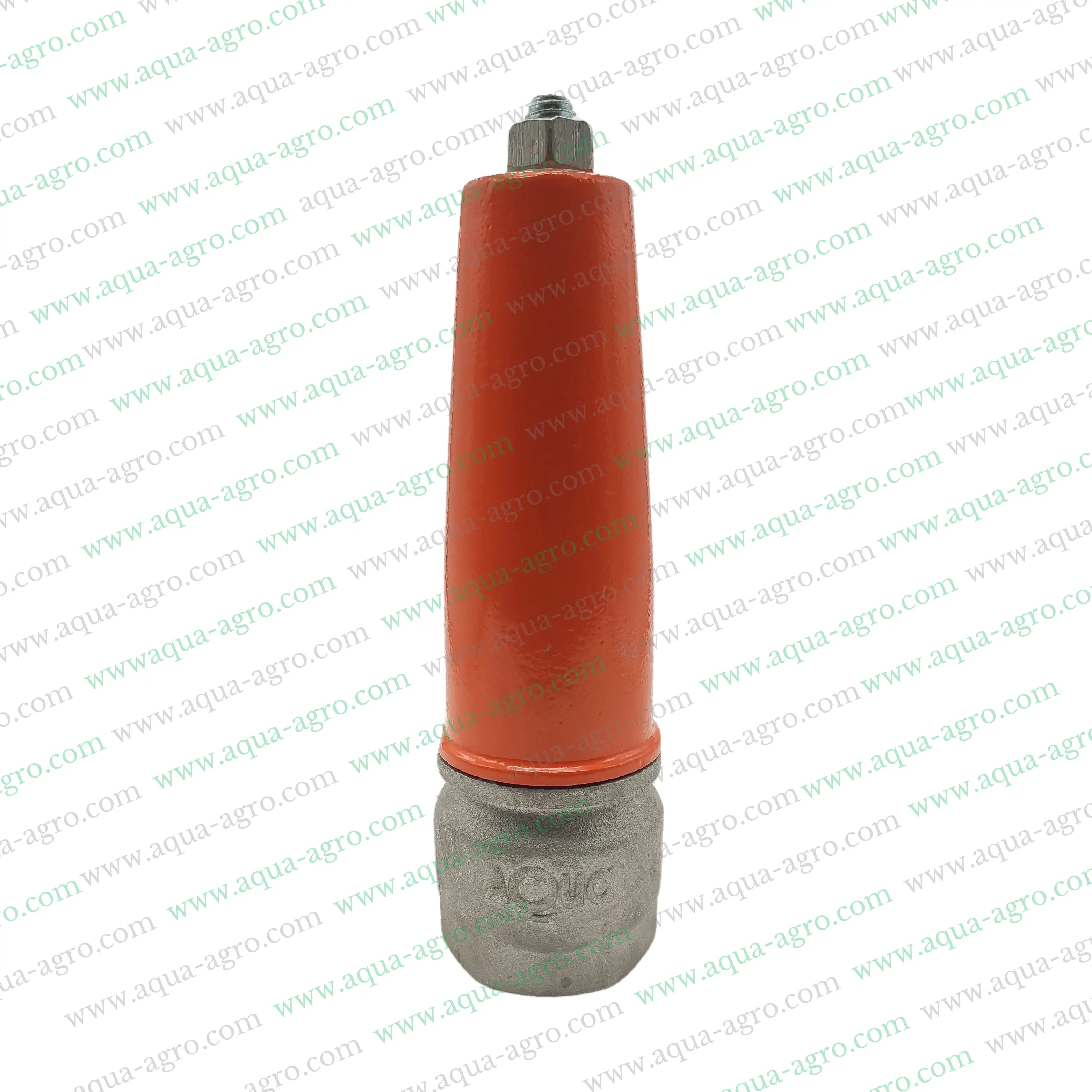
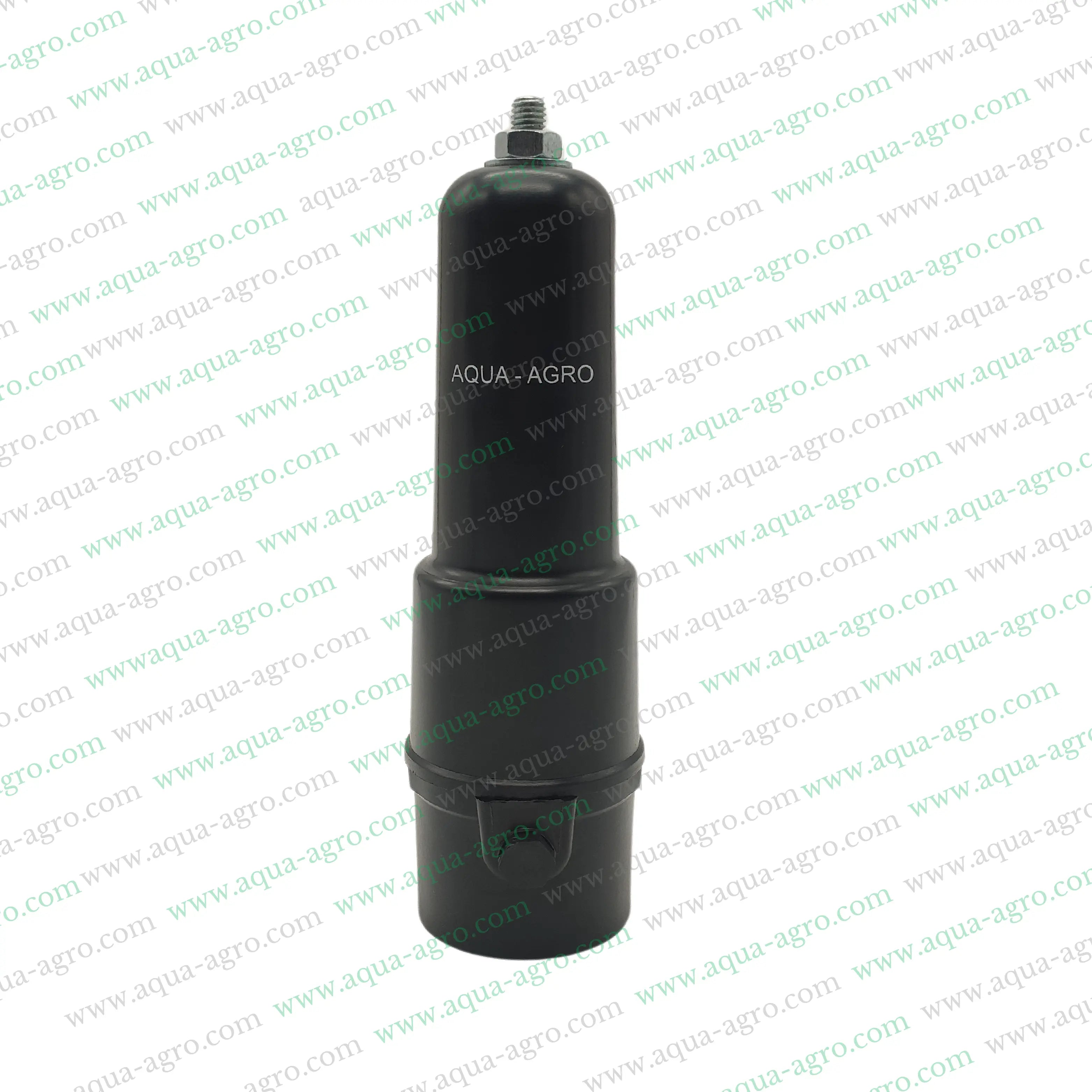
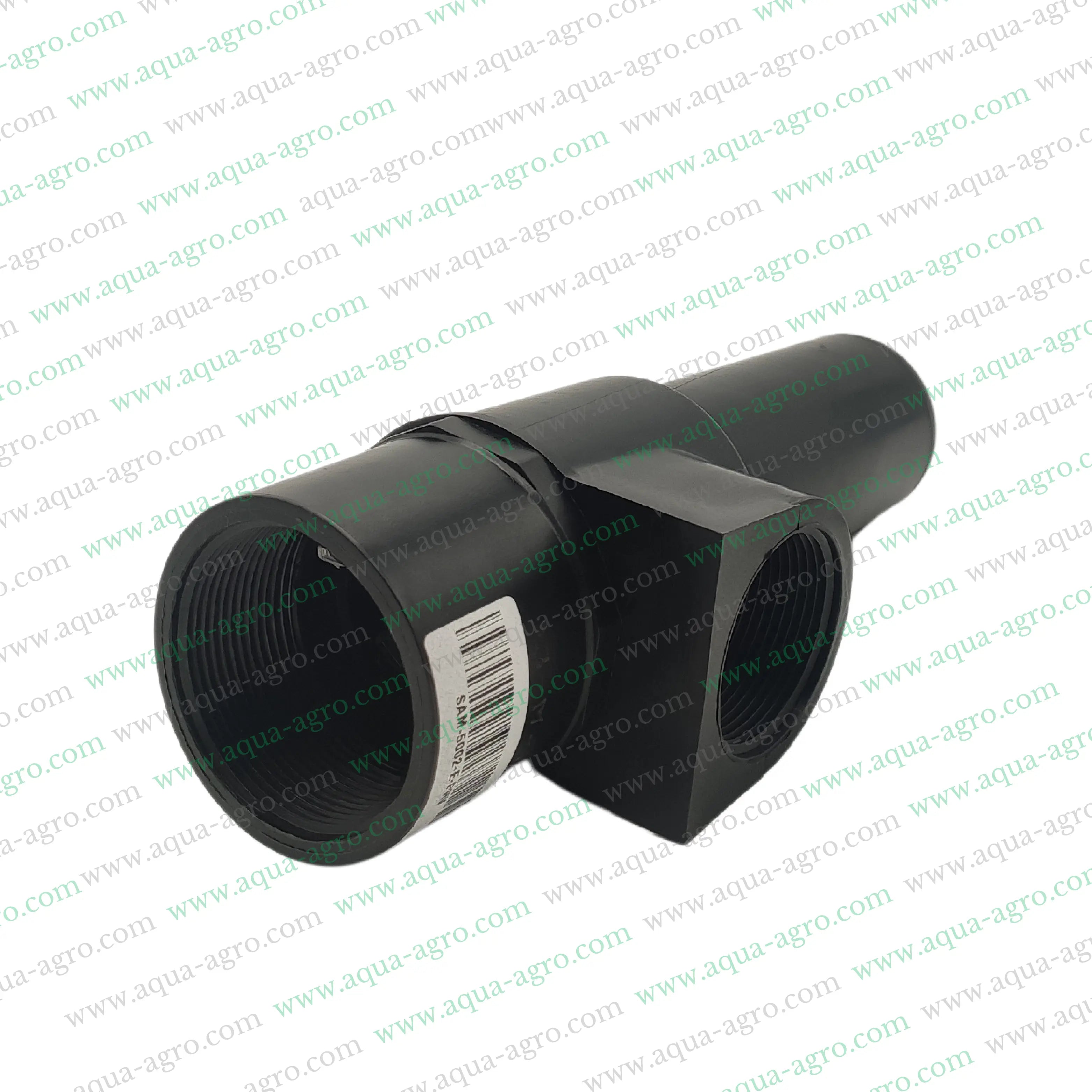
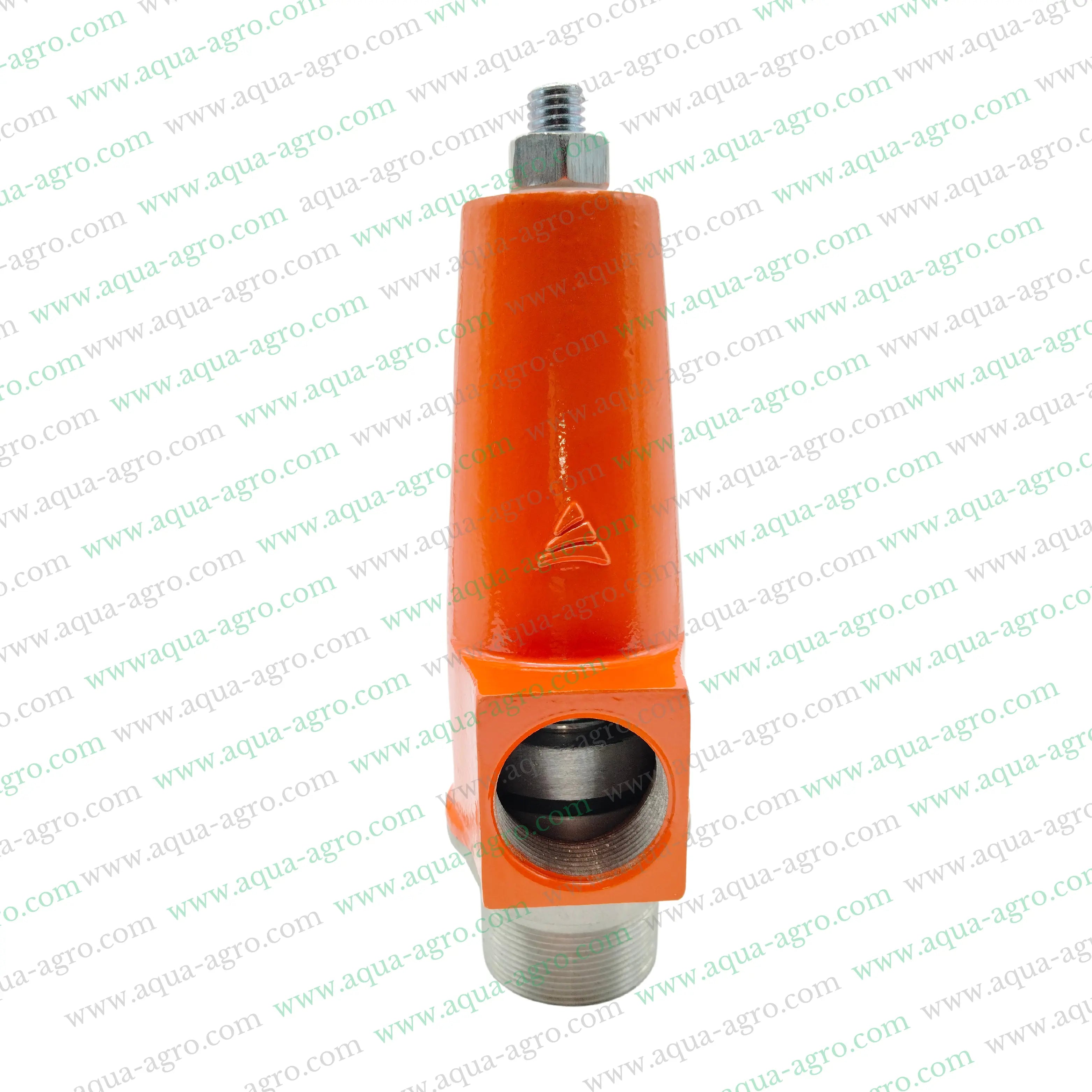
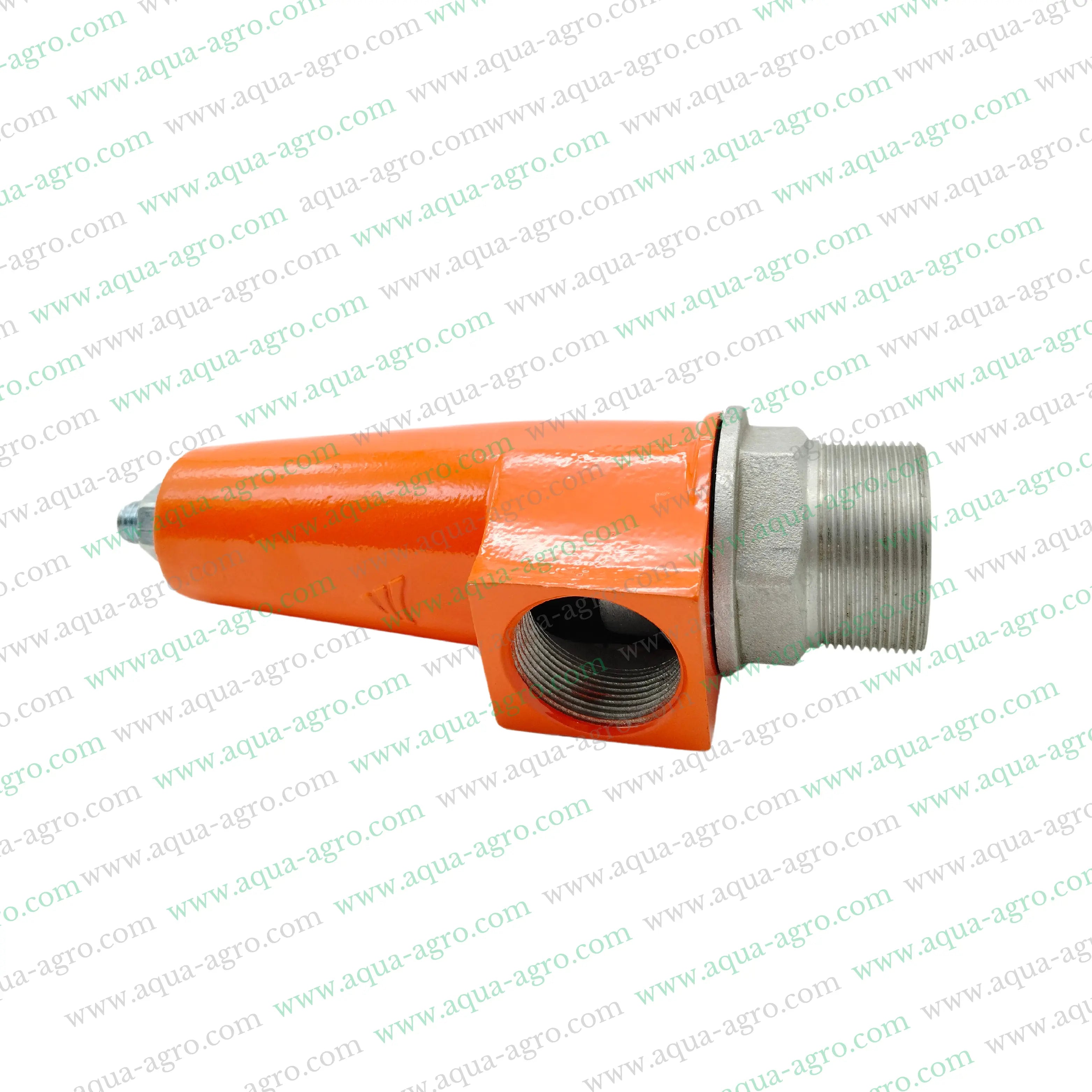
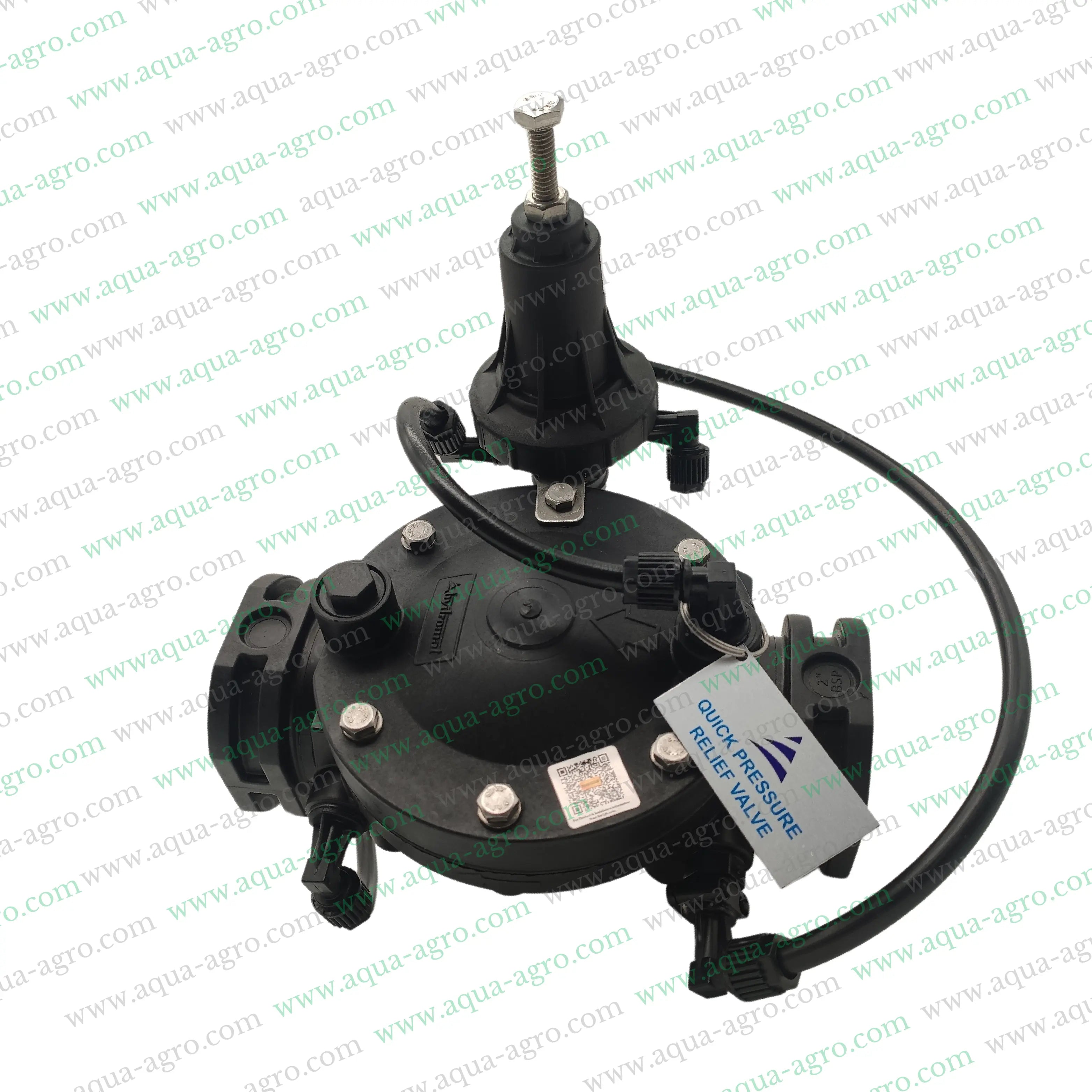
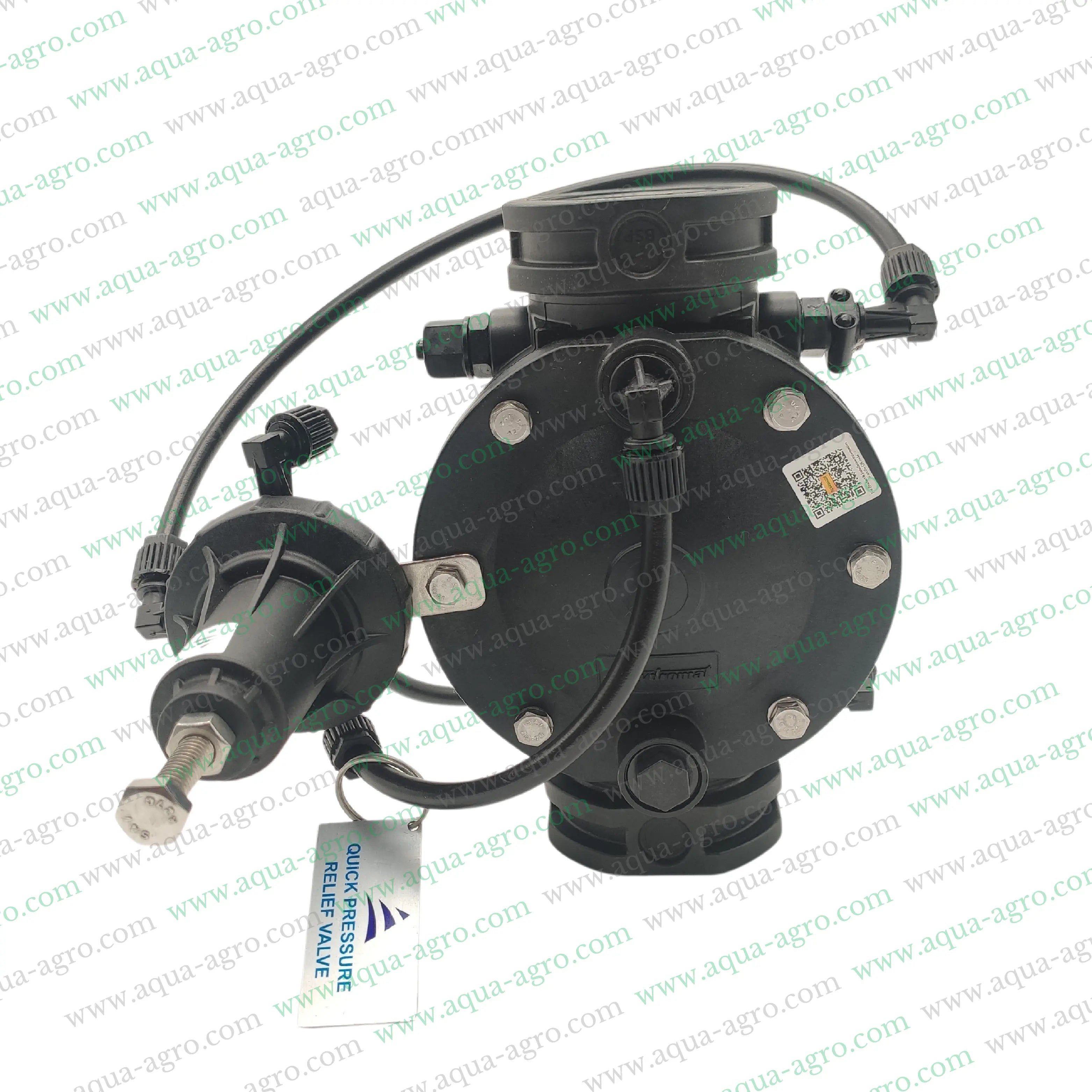
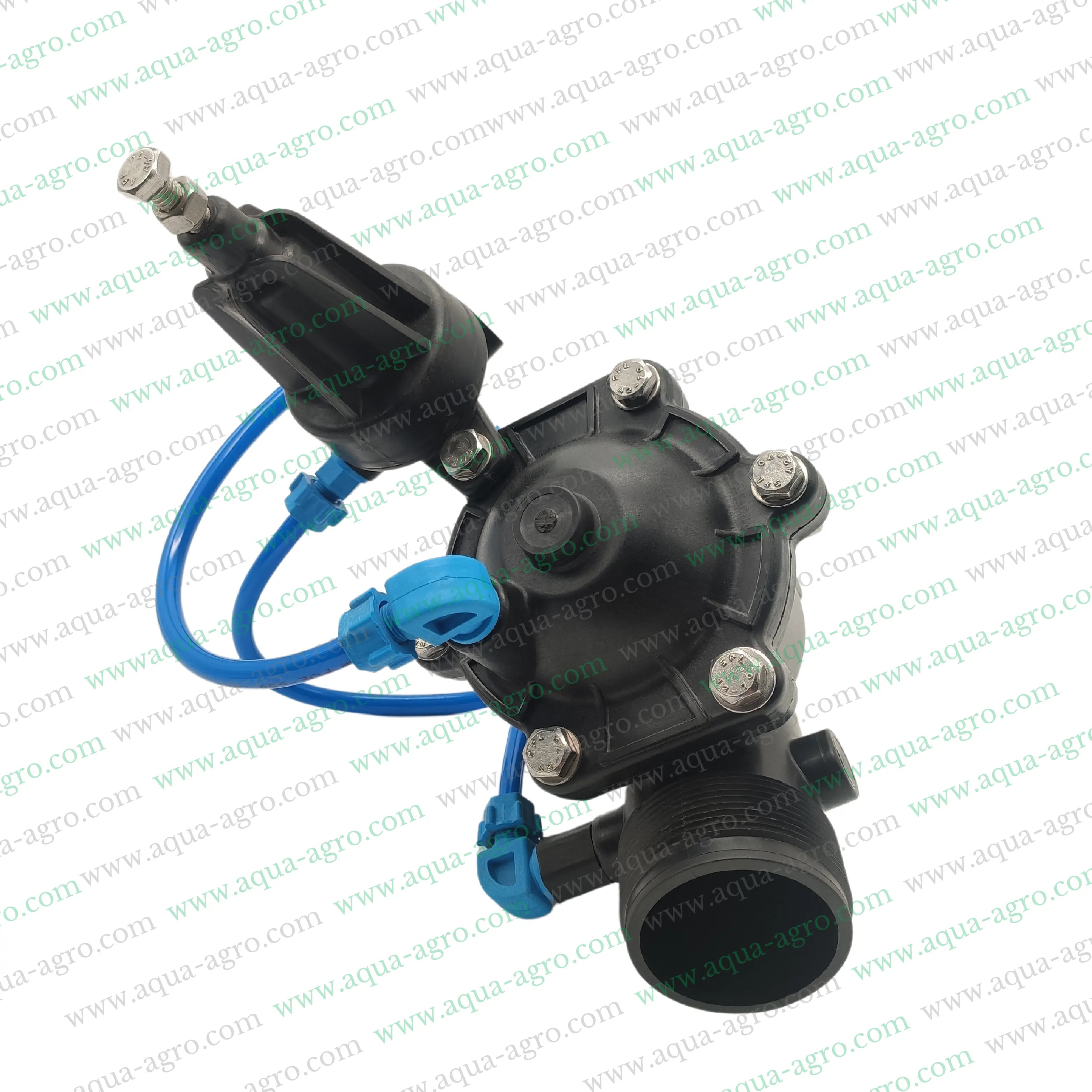
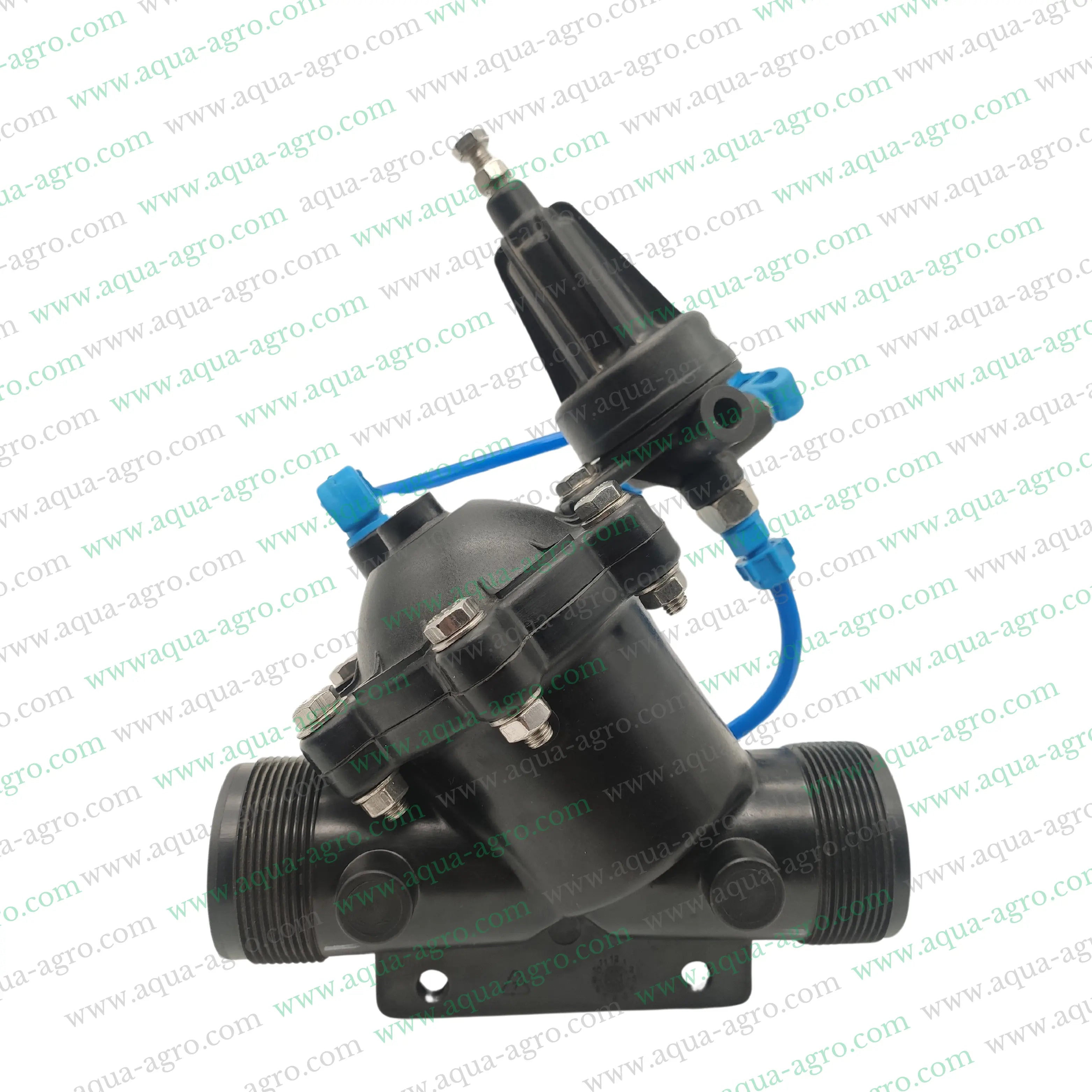
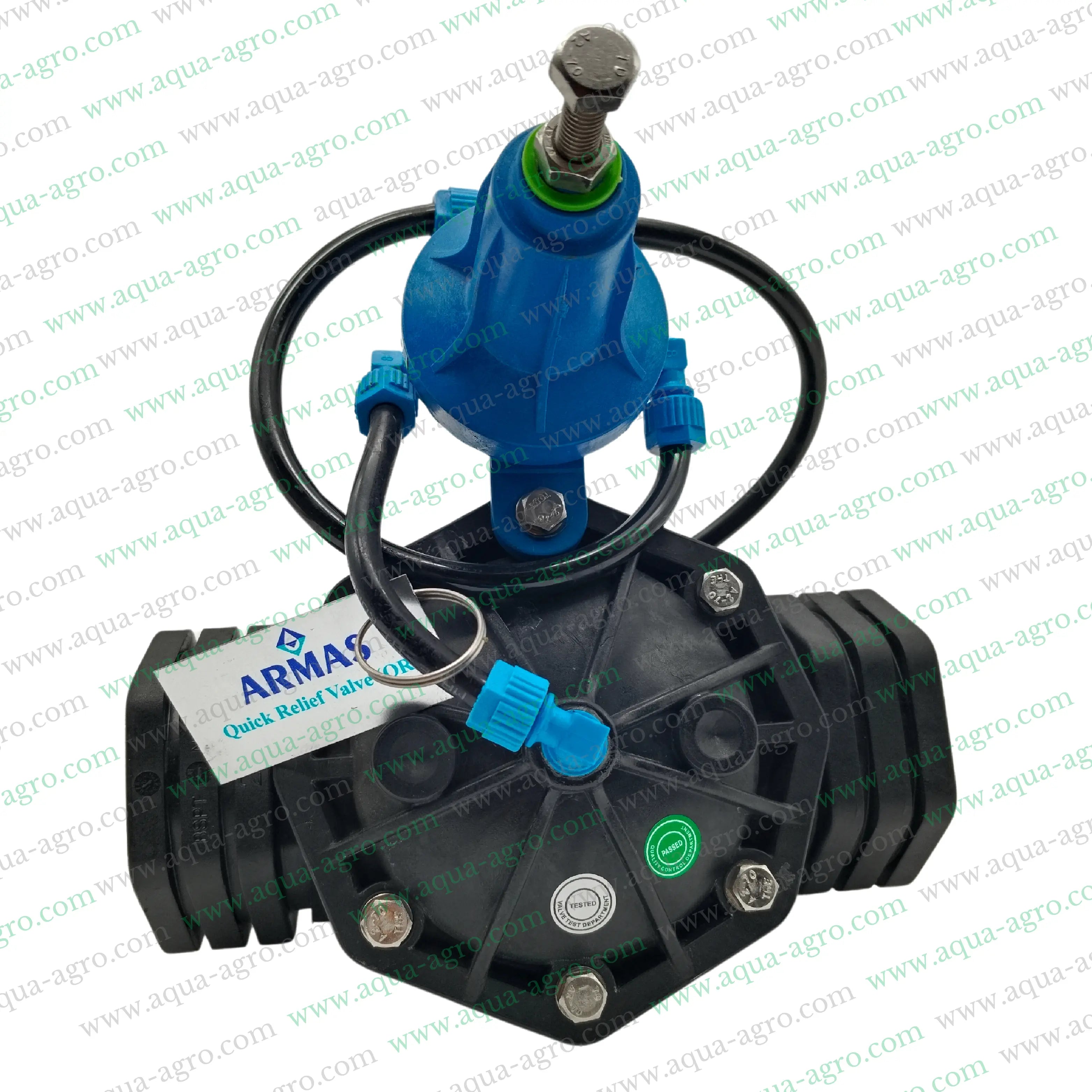
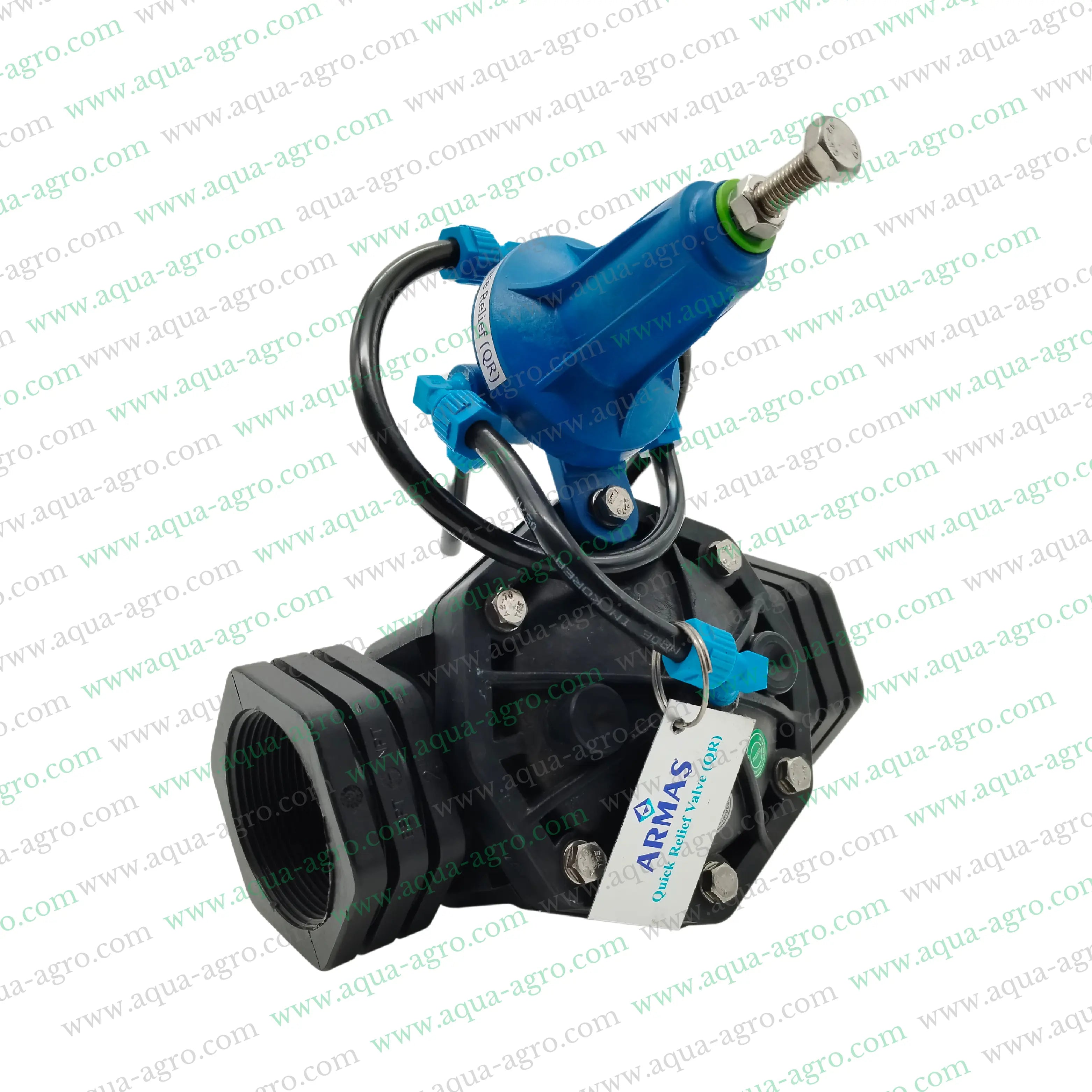
Valves that let out pressure are a key part of modern hydraulic and irrigation systems that need to be able to handle fluids well and keep the balance. One type of valve (PCV) controls the flow of water, and another type (PRV) lets the pressure out. Both are needed to keep the system safe when it's under high pressure.
What is a pressure release valve?
How do we get the pressure in a system under check? We do it by using a pressure release valve. When the pressure in a system goes above a certain limit, the extra fluid is let out. This device keeps parts from getting damaged by too much pressure, which keeps the system safe and working well.
Understanding the pressure control valve and its importance
In hydraulic, industrial, and irrigation settings, a pressure control valve is used. The pressure of fluid flow is controlled using a PCV. We can fine-tune system performance and lower operating risks.
Pressure release valves explained
Function and applications
Pressure release valve function: how it works and why it matters
Pressure release valves work by checking the pressure in a system and opening when it goes over a certain limit, letting out extra fluid. This keeps things running safely, stops system breakdowns, and saves pipelines.
Applications in hydraulic and water systems
Pressure release valves are widely used in hydraulic circuits, water distribution systems, and irrigation setups. They ensure smooth operations by preventing overpressure scenarios and protecting pumps, pipelines, and fittings.
Types of pressure release valves
Water pressure release valve
These valves are specifically designed to regulate and maintain safe water flow, preventing pipeline bursts due to sudden pressure spikes.
Adjustable pressure release valve: features and benefits
An adjustable pressure release valve allows users to manually set the pressure threshold according to system requirements, making it versatile for varying operational conditions.
Air pressure release valve
This type of valve removes trapped air from pipelines, preventing air blockages and ensuring steady fluid flow.
Costs and pricing insights
Factors affecting the pressure release valve cost
The cost of pressure release valves is based on their size, material, how much pressure they can hold, and any extra features they have, like being able to be changed or not rusting. It will save you money in the long run to buy better valves that last longer and work better. Check out reputed brands of pressure release valves like Automat, Armas, Aqua Agro.
Deep dive into pressure control valves
Types of pressure control valves
Hydraulic pressure control valve
A hydraulic pressure control valve keeps the pressure levels in any hydraulic system in acceptable levels. This makes them safer and more useful in industry and farms.
Air pressure control valve
Air pressure control valves keep compressed air systems from getting too pressurised and make sure that the flow of air stays steady.
Water pressure control valve
These valves keep the water flow in watering systems just right, so the water is spread out evenly and no damage is done to the equipment.
Working principles and symbols
Pressure control valve working principle: simplified
A pressure control valve,
- checks the pressure in the system
- changes the flow or stops it as needed
- keeps the pressure where it needs to be
Understanding the pressure control valve symbol
The symbol typically includes an arrow indicating flow direction, a pressure indicator, and control notations, helping engineers design efficient systems.
Applications in real-world scenarios
Key applications of pressure control valves
- Irrigation systems for maintaining consistent water pressure
- Industrial plants for safe fluid management
- Hydraulic equipment for pressure optimization
Exploring spring-loaded valves
What are spring-loaded valves?
Spring-loaded valves use a pre-calibrated spring mechanism to maintain pressure. When the pressure surpasses a certain limit, the valve opens to release excess fluid and restore balance.
Spring loaded safety valve
These valves protect systems by automatically releasing pressure when dangerous levels are reached.
Spring loaded pressure relief valve
Designed for gradual pressure release, these spring loaded valves maintain system stability while preventing abrupt pressure drops.
Spring loaded check valve: design and function
These valves only let fluid run in one way and stop it from flowing backward. This keeps the system working well and the parts lasting a long time.
Innovations and developments in pressure valve technology
Advanced features in modern spring loaded valves
- Corrosion-resistant materials for longer life
- Precision calibration for pressure-sensitive operations
- Compact designs for easy integration
Role of valves in improving hydraulic and irrigation systems
Advanced pressure valves contribute to better water conservation, system safety, and optimize resource utilisation.
Conclusion
Choosing the right valve for your system
Selecting the correct valve involves evaluating system requirements, pressure limits, and compatibility. Whether you need a pressure control valve or a release valve, high-quality products ensure safety, efficiency, and long-term cost savings.