Explore the best plant pruning saw and other pruning tools
We offer high-quality pruning saw and pruning tools to shape and trim your plants—from the best pruning tool brands like DAP.
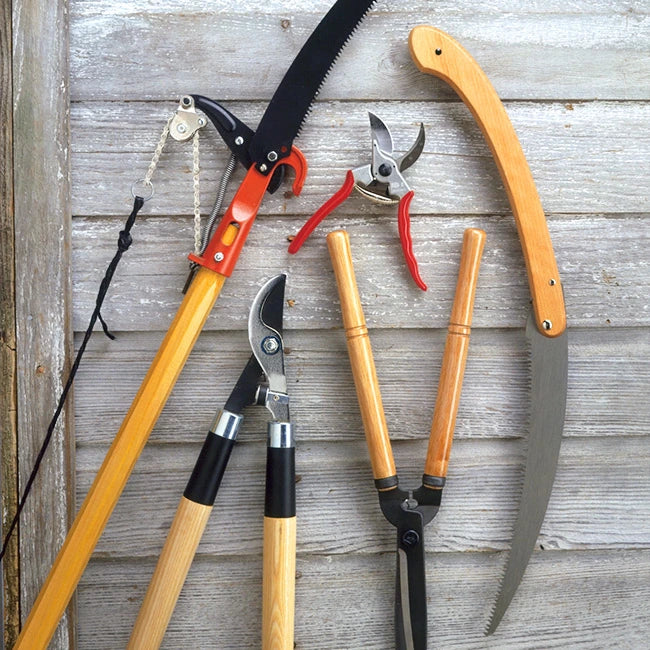
It is important that you have plant pruning tools at your disposal for maintaining healthy and beautiful gardens. The right tools significantly enhance plant growth and ensure clean, precise cuts. Our collection features high-quality tree pruning saws, a pruning shear, a lopper, and hedge shears designed to tackle any pruning task with ease.
The benefits of using a plant pruning tool—a pruning saw uses
- Efficient Cutting: Save time and effort with sharp blades like those on premium bypass pruners or hedge shears.
- Healthier Plants: Prevent disease spread with precise cuts made by tools like pruning shears or bypass blades.
- Versatility: Tools like a pruning saw or long-handled lopper handle everything from delicate flowers to thick branches.
What are plant pruning tools?
Pruning tools are specialised equipment for trimming and shaping plants, shrubs, and trees. We use these tools to promote healthy plant growth by removing dead or diseased branches and encouraging new shoots.
Types of plant pruning tools:
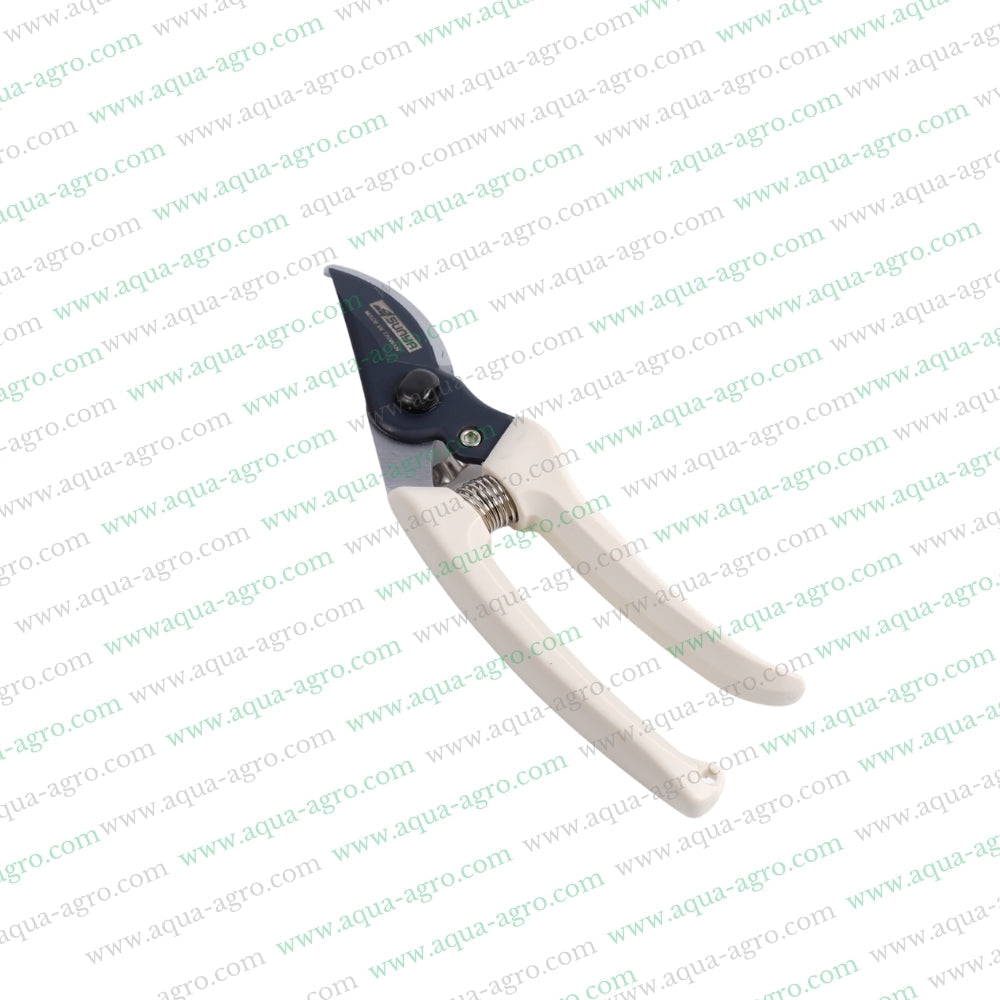
- Pruning shears, aka., hand pruners, are ideal for small stems and flowers.
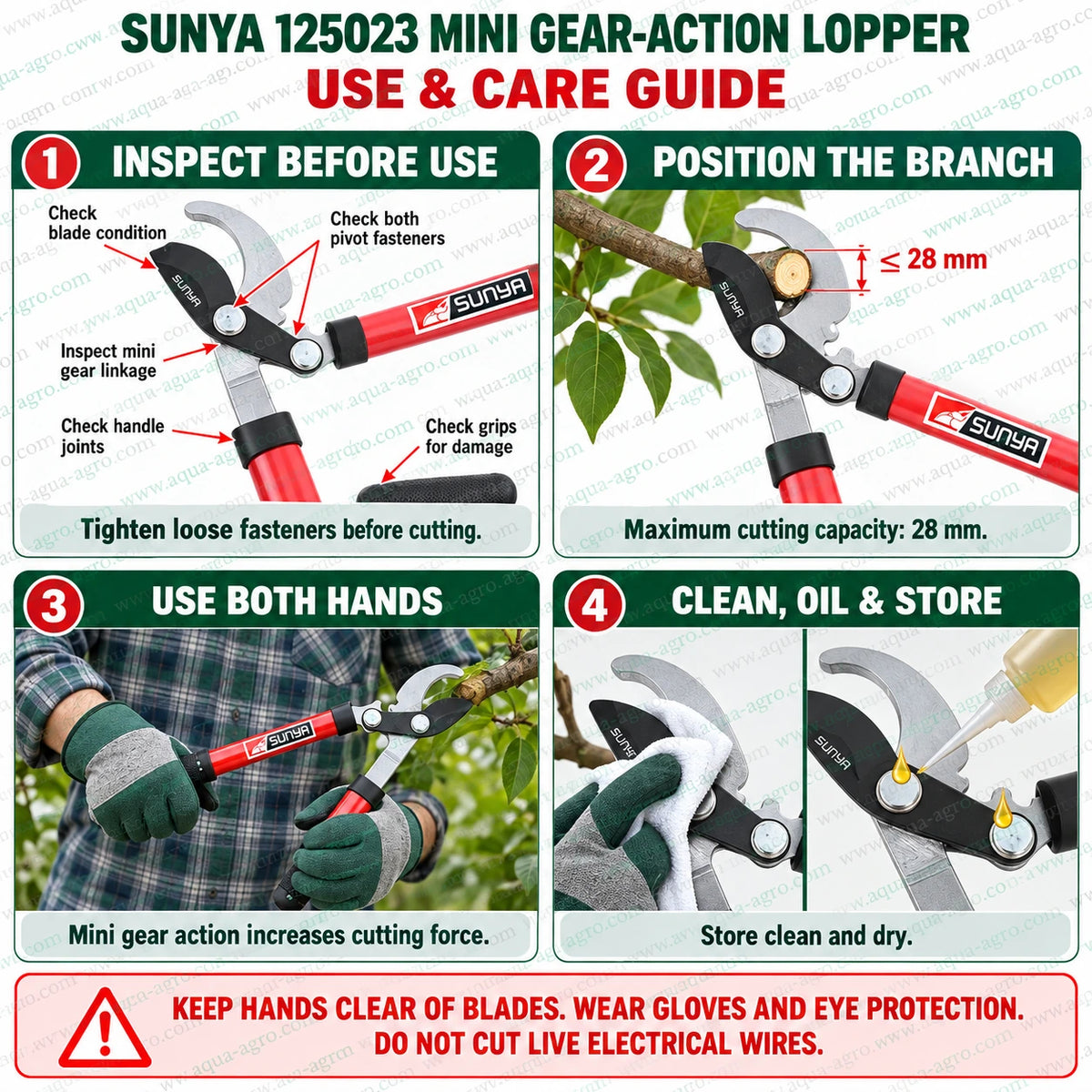
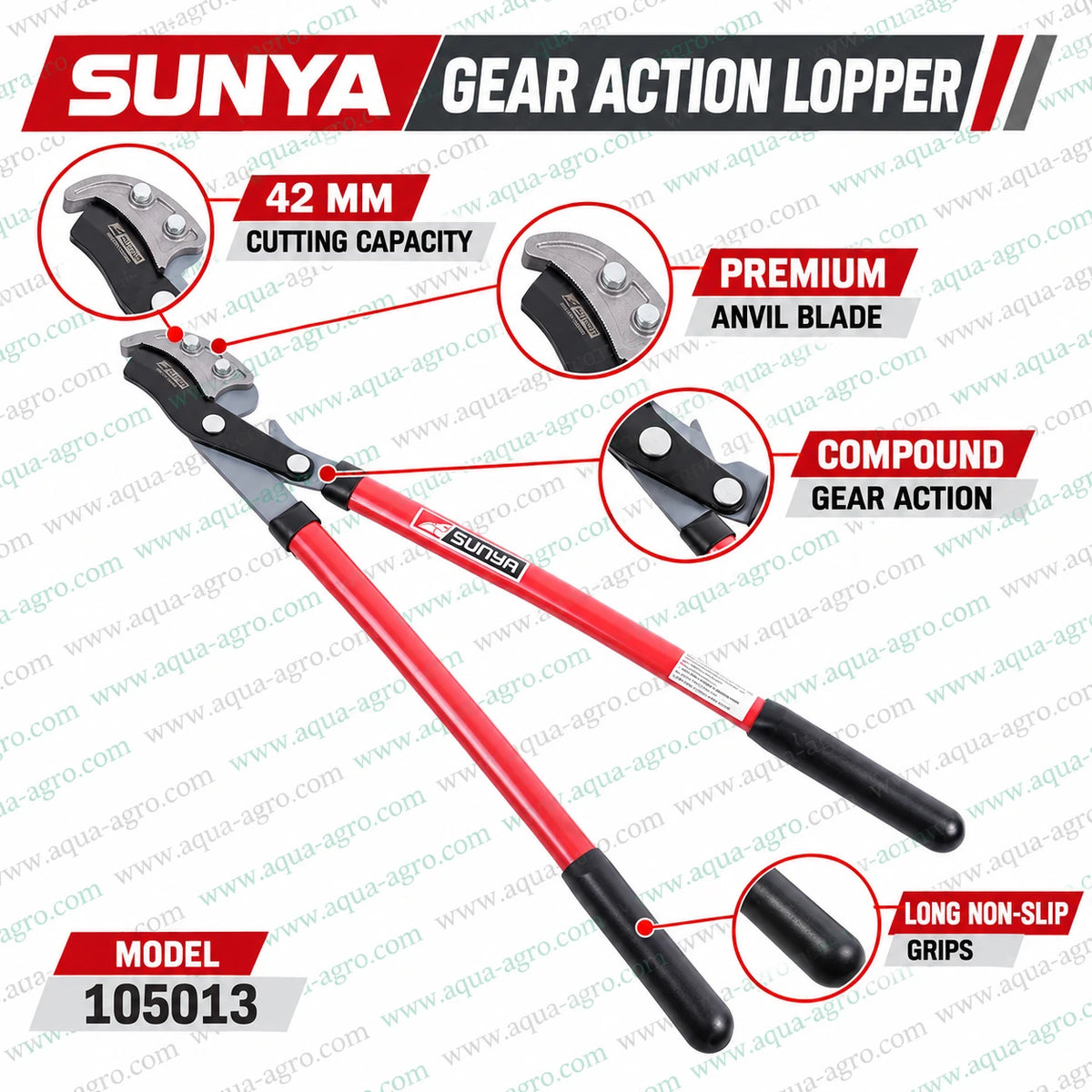
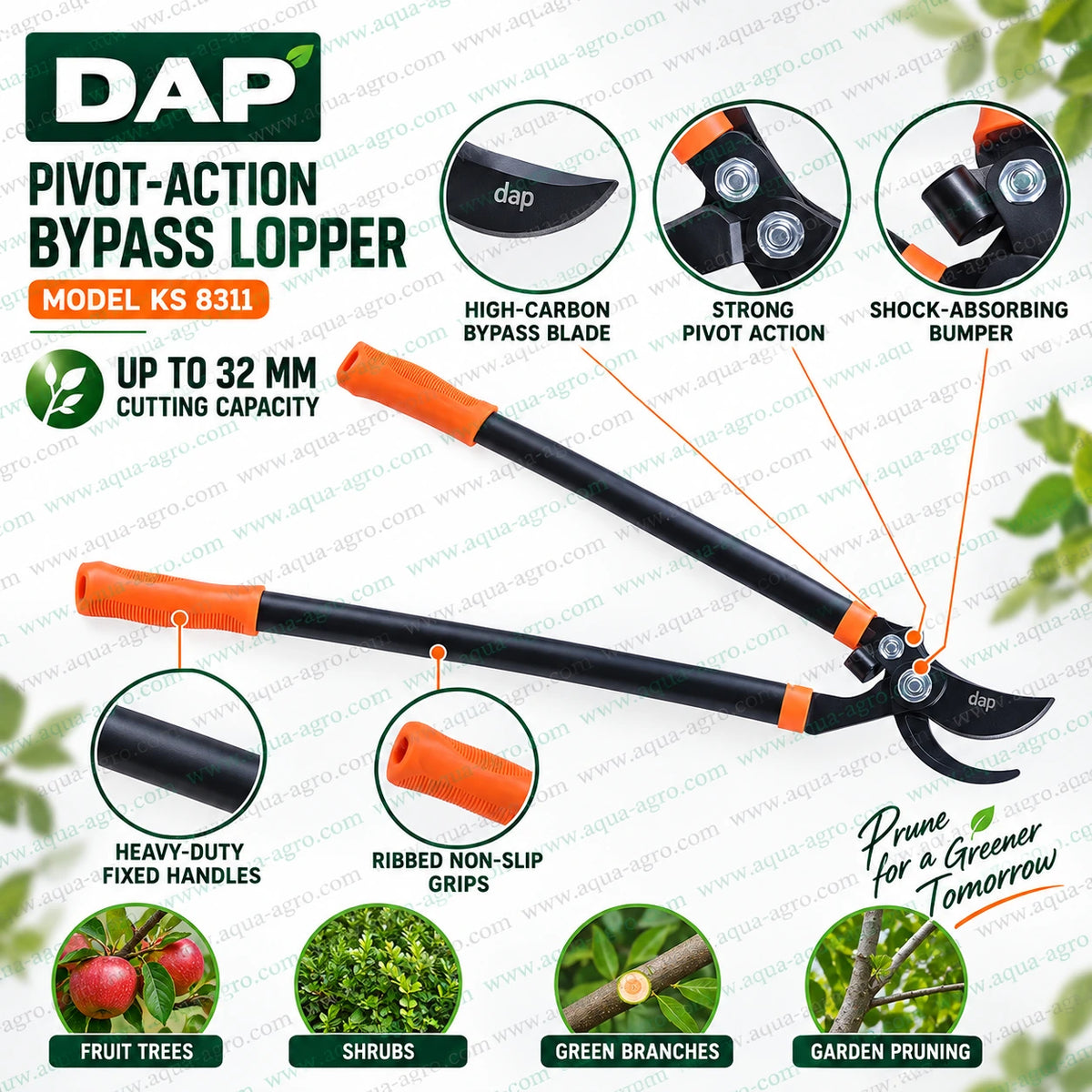
- Lopper is best suited for medium branches and shrubs.
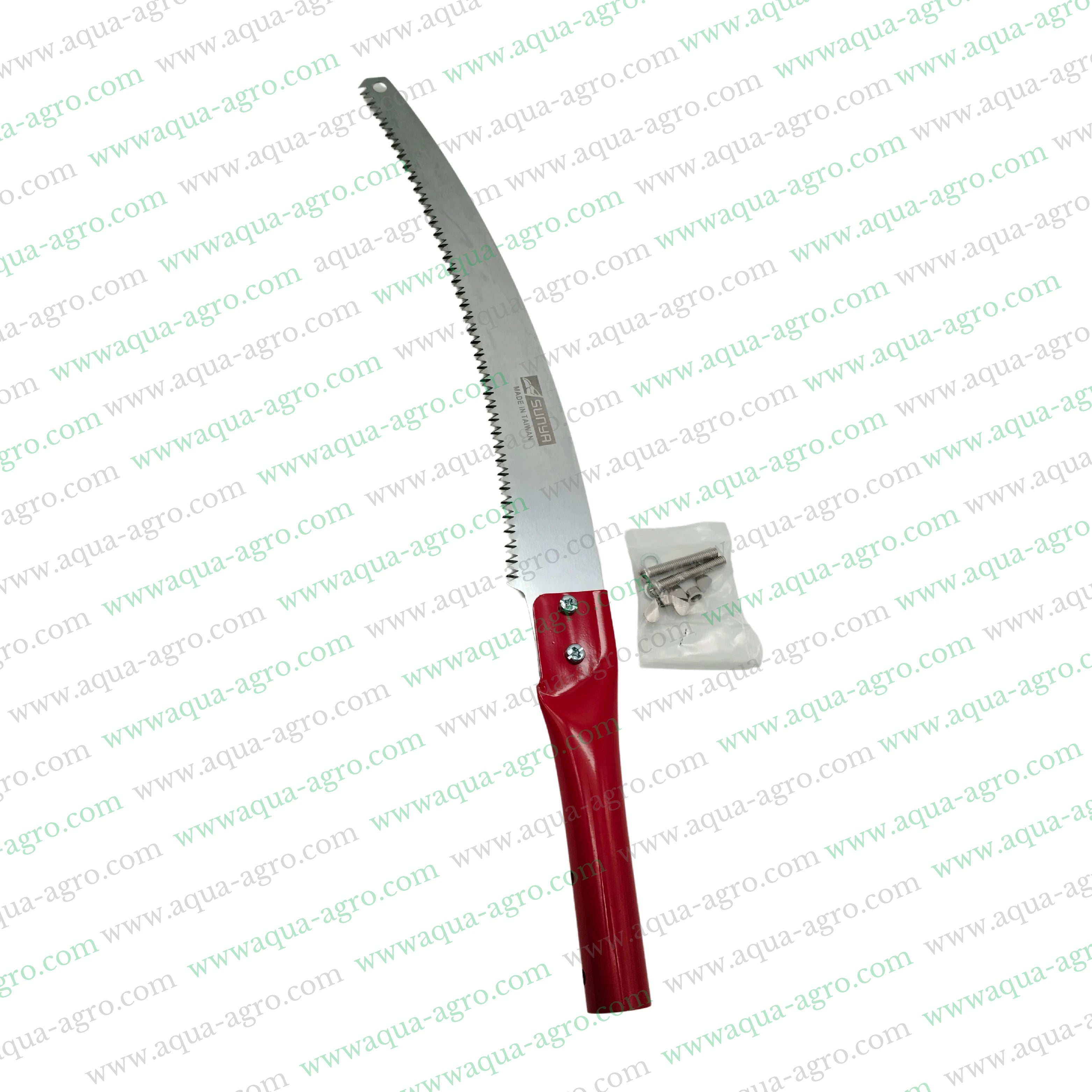
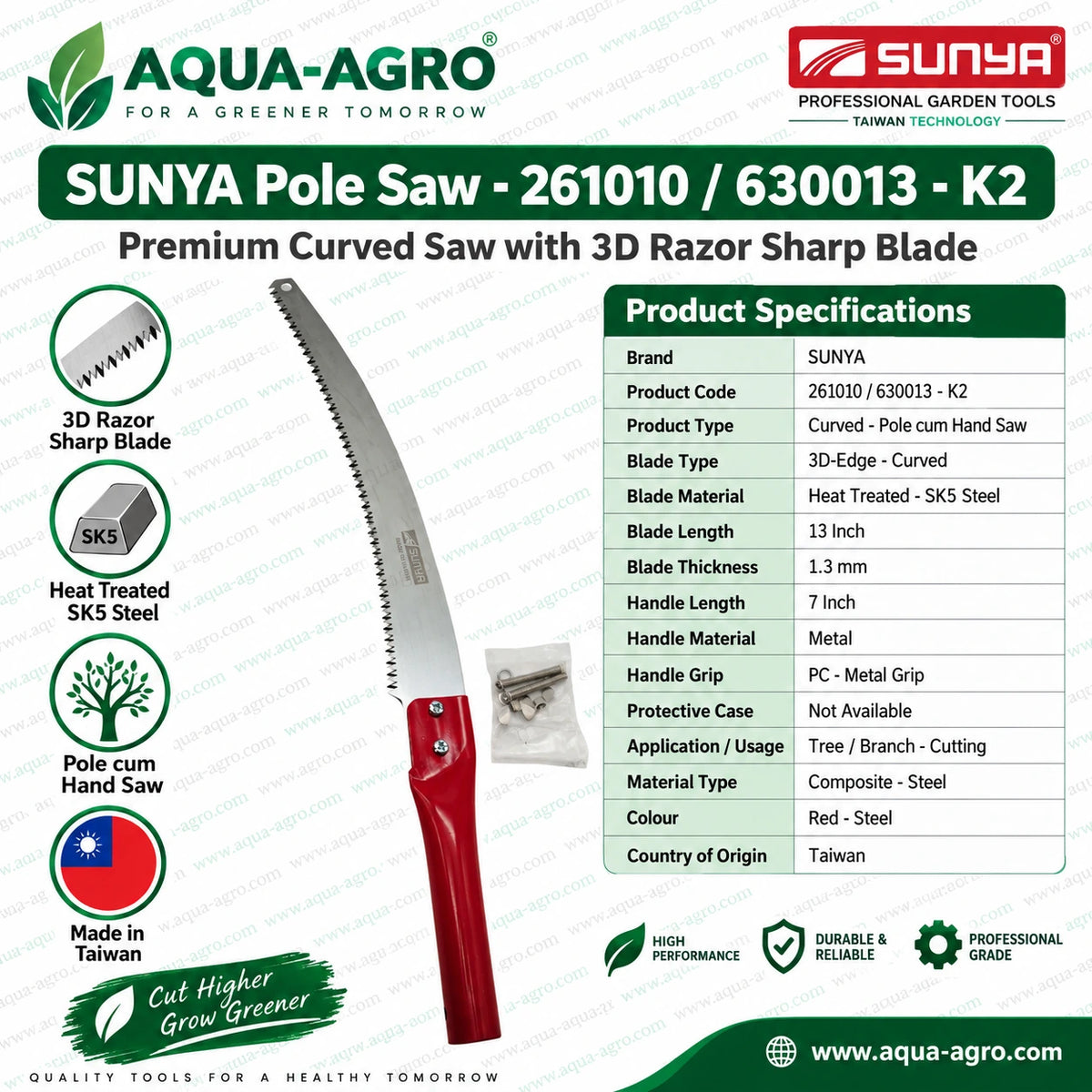
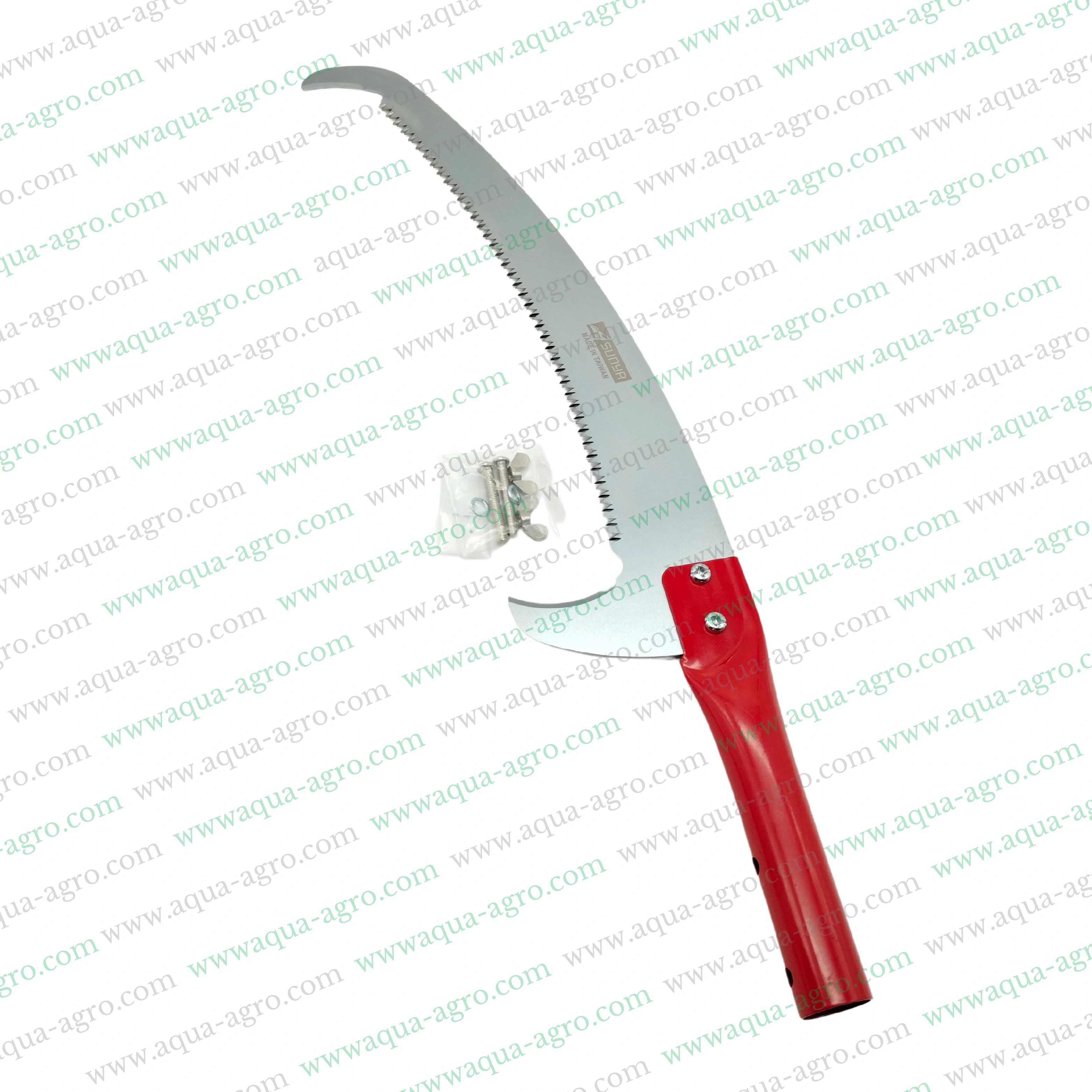
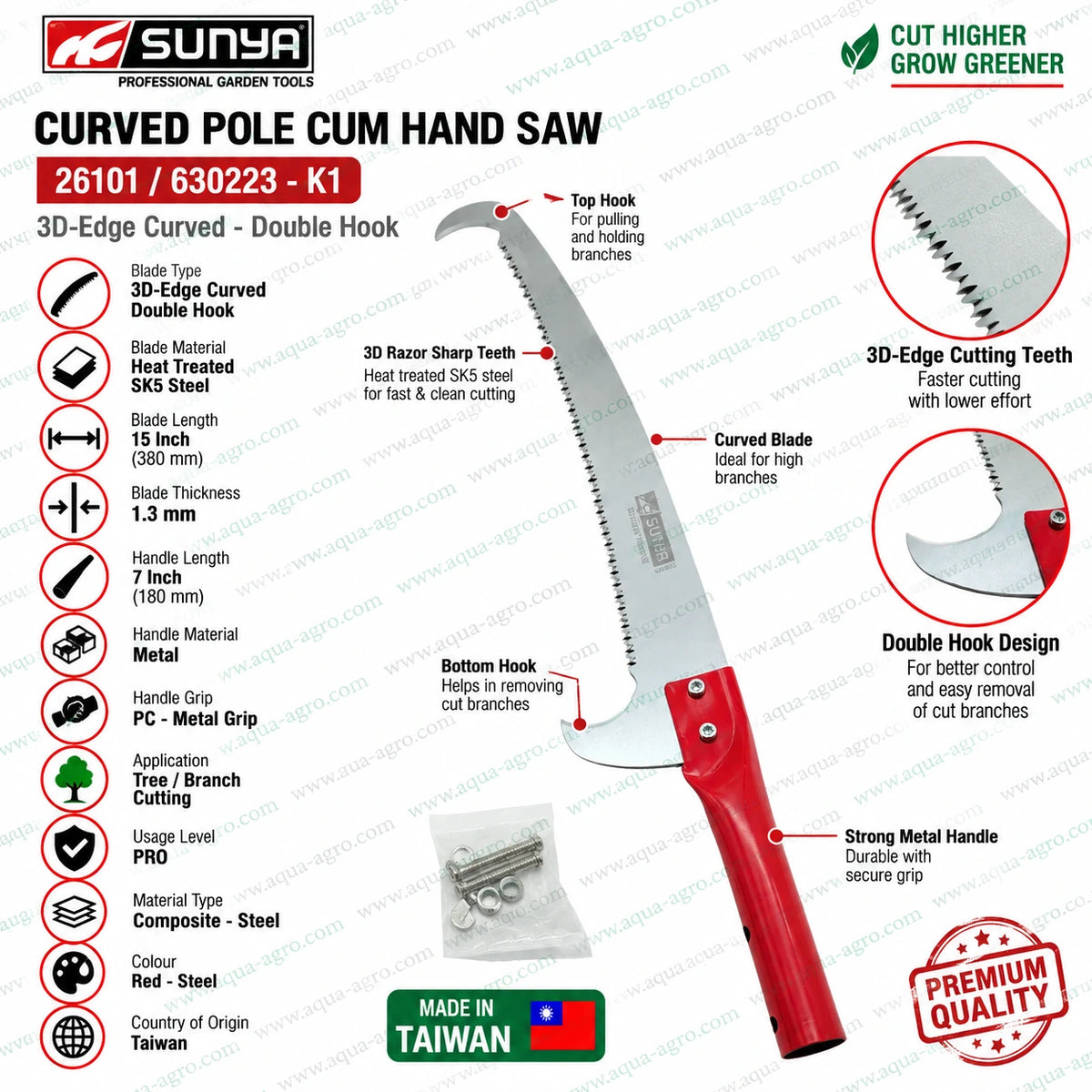
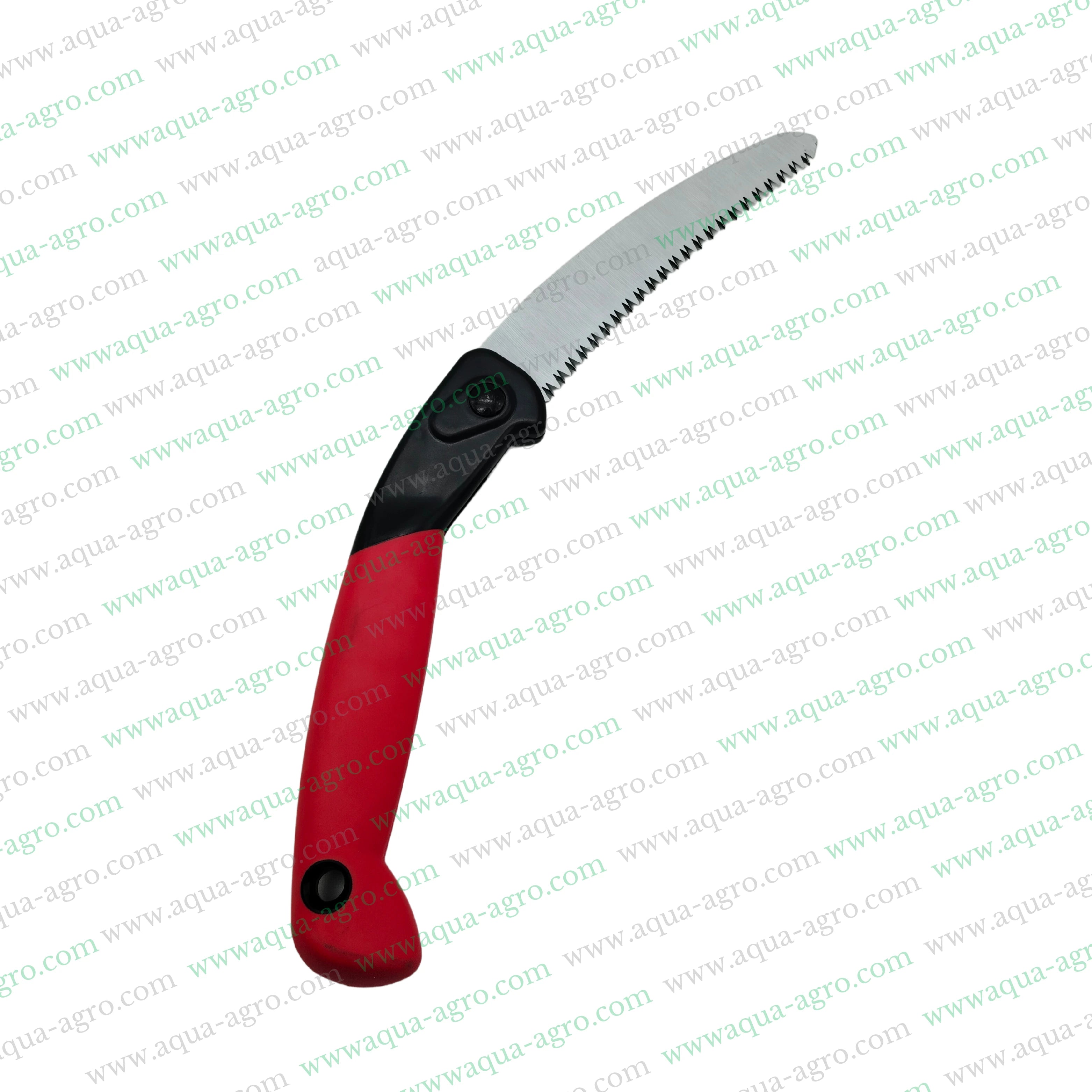
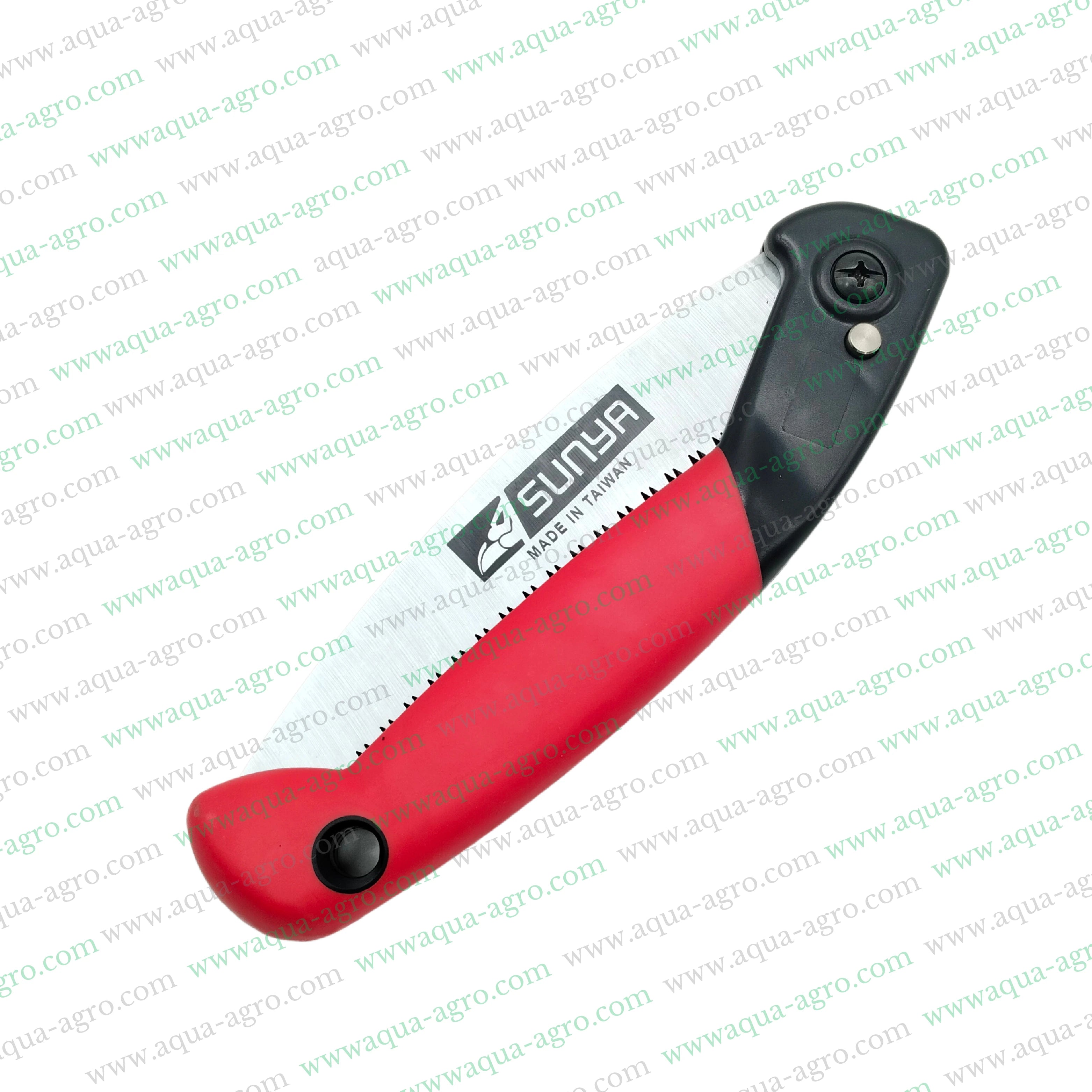
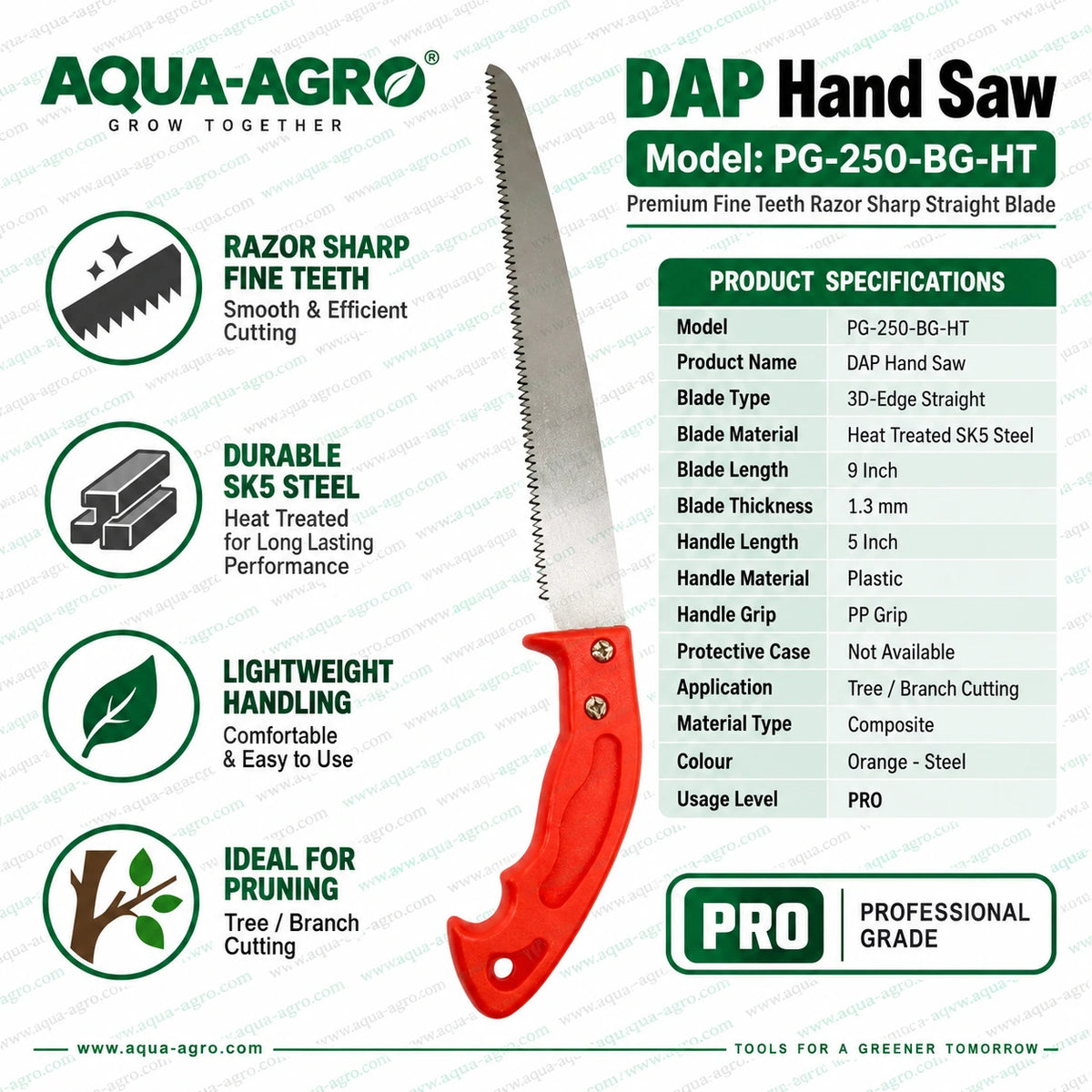
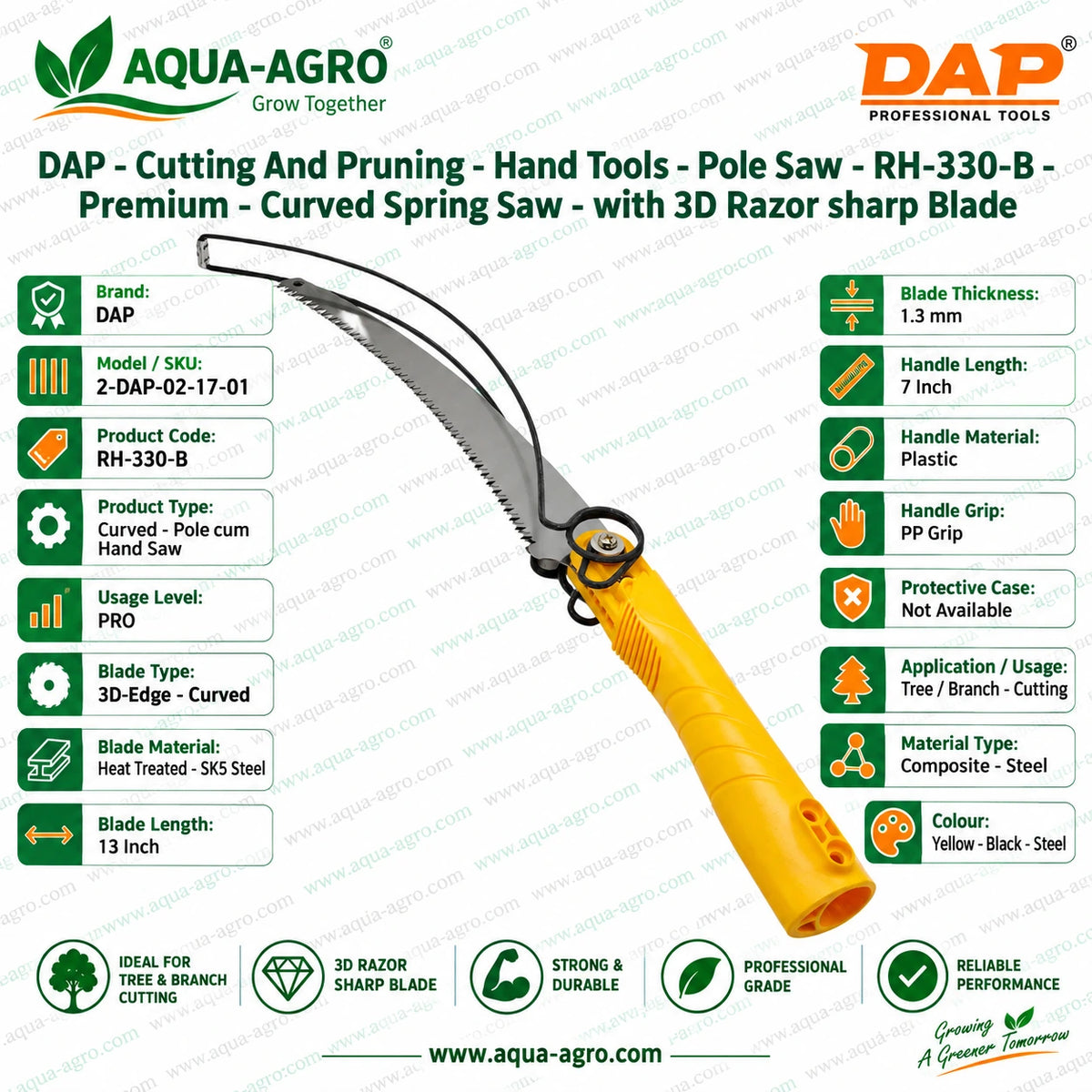
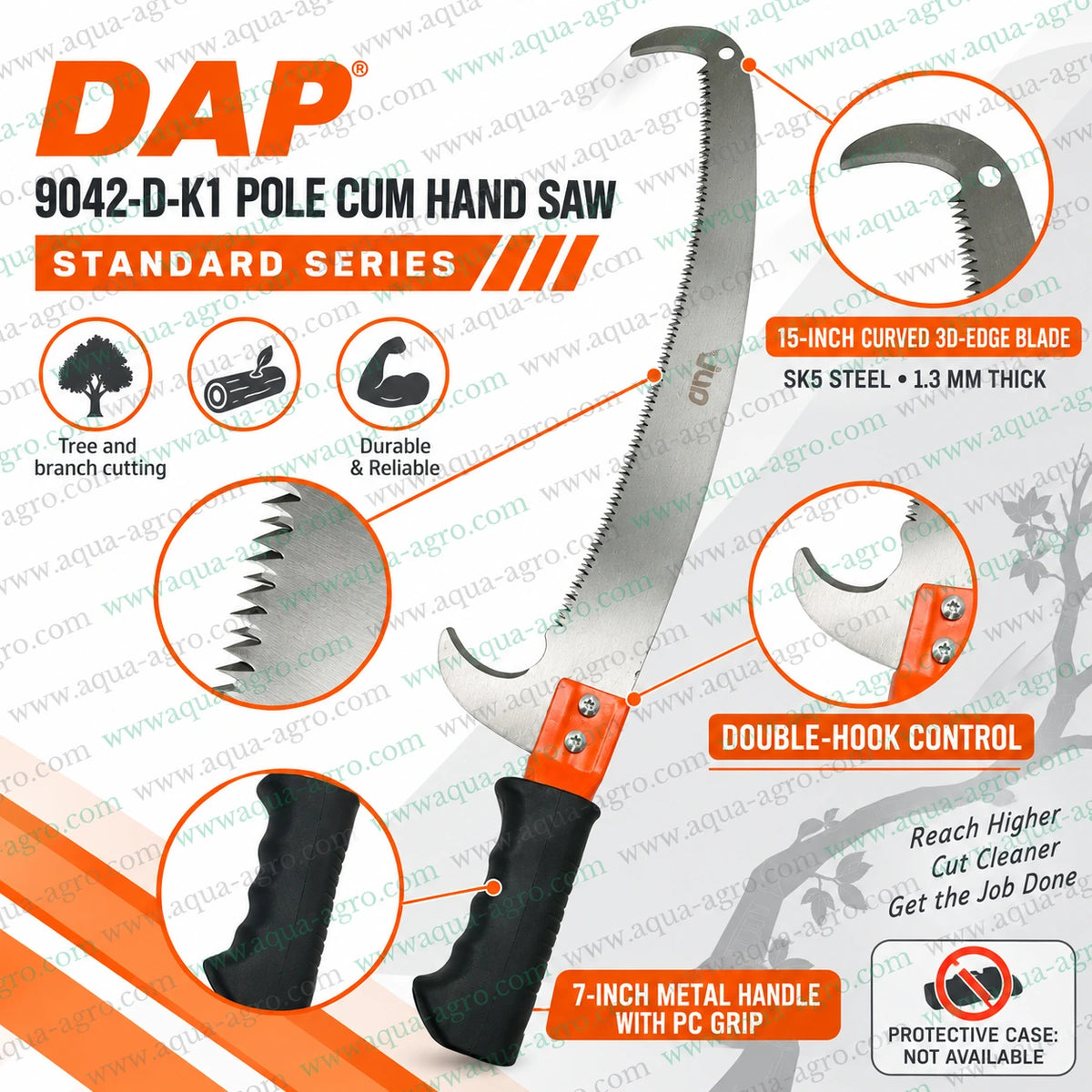
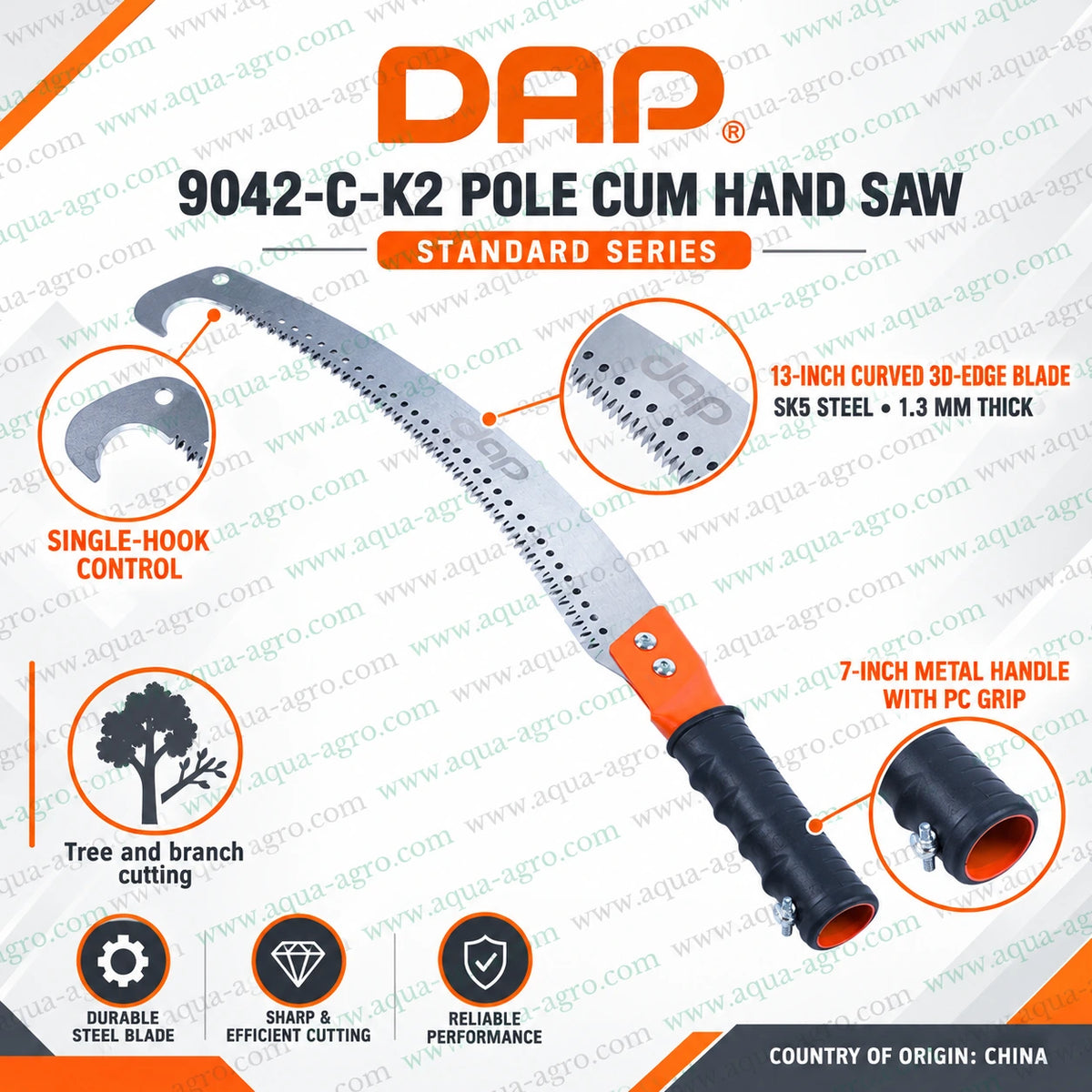
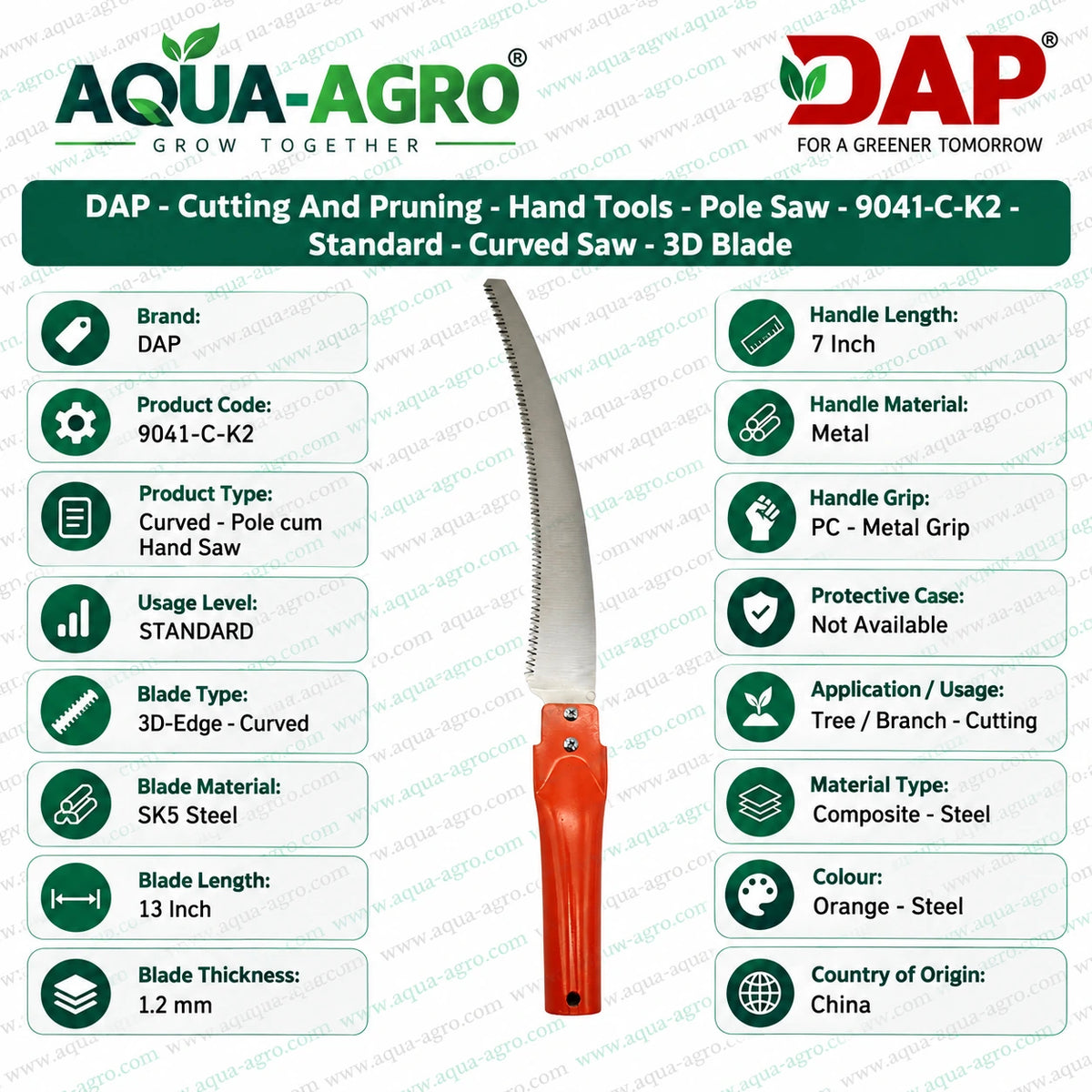
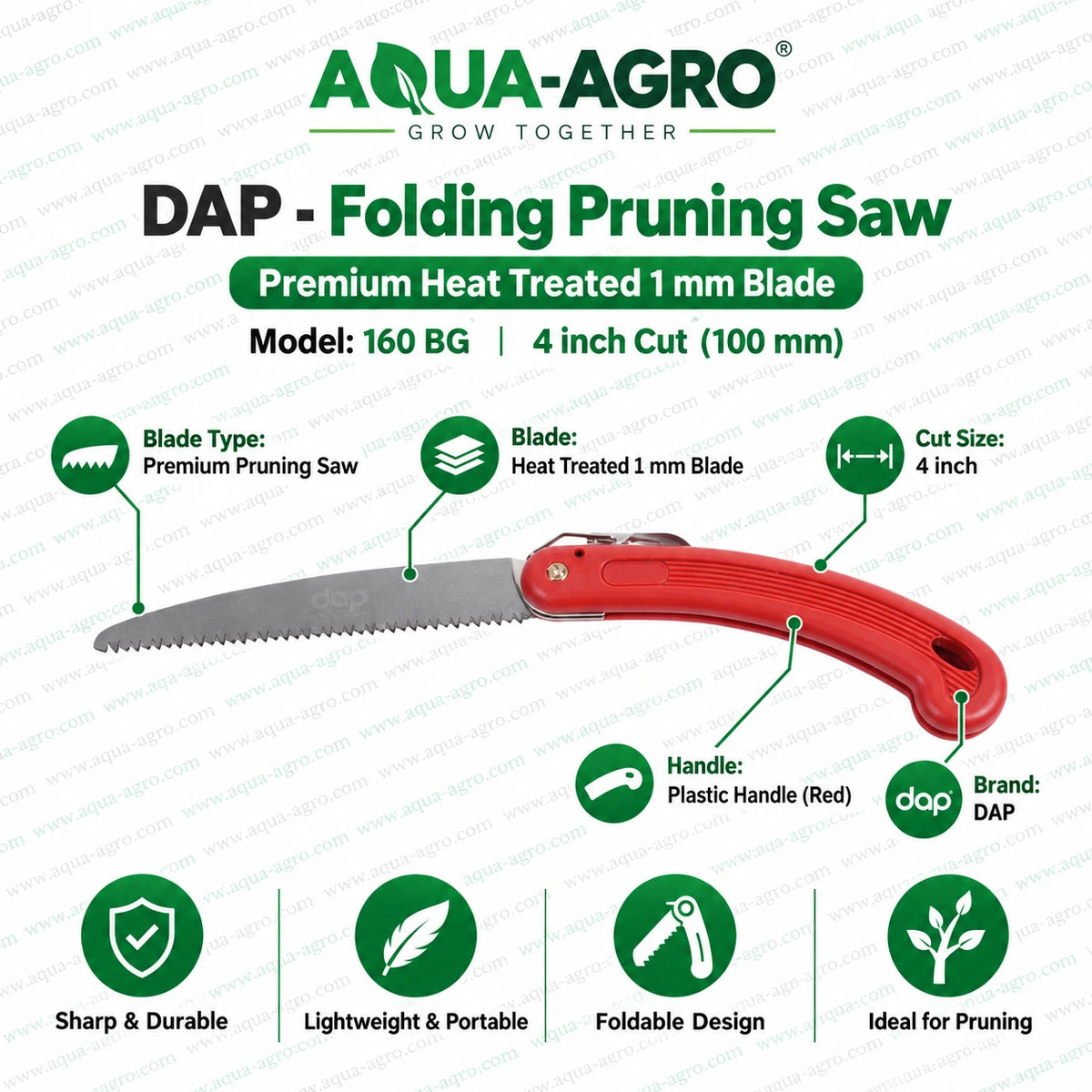
- A pruning saw is suitable for thick branches and tough plants.
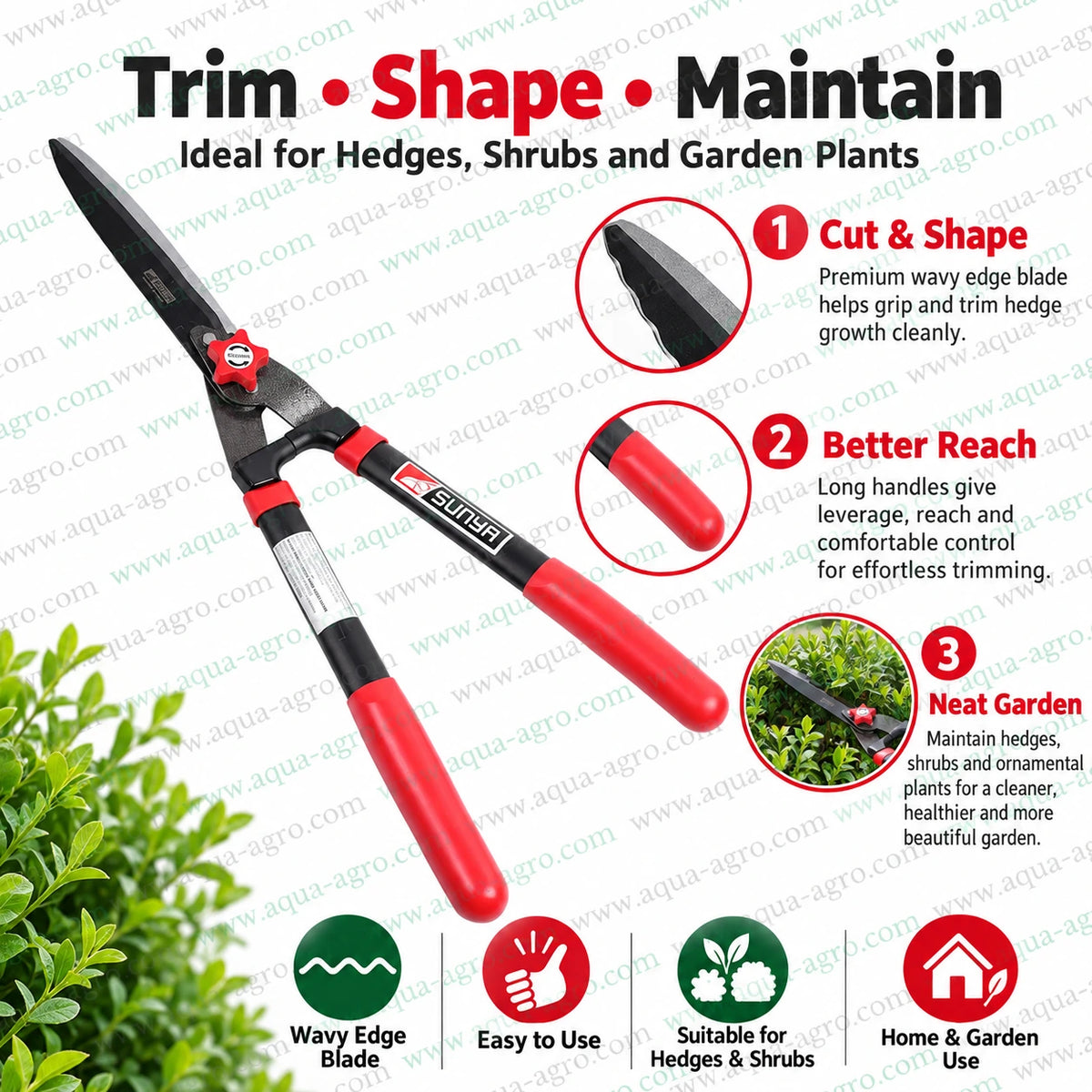
- Hedge trimmers are ideal for shaping hedges and bushes.
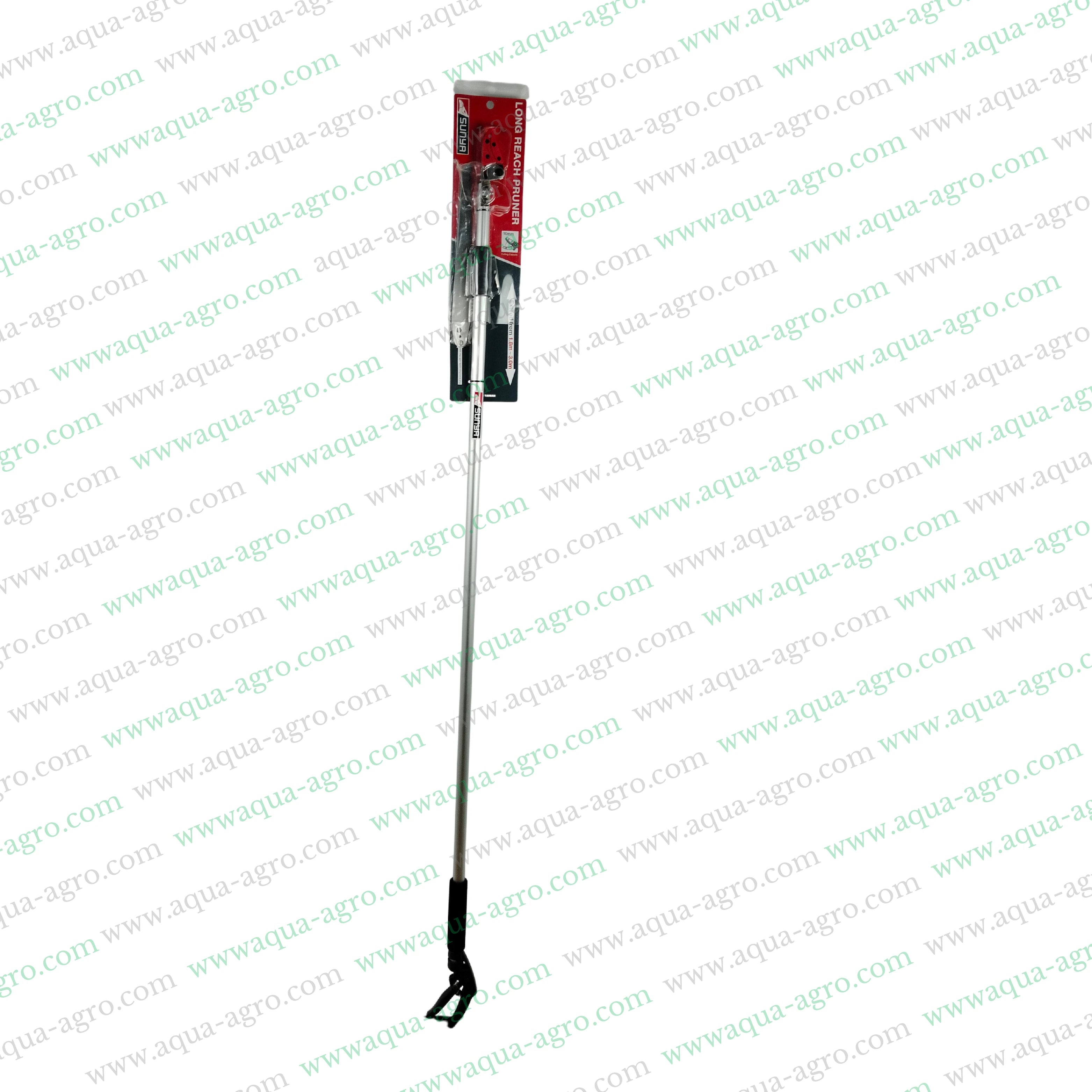
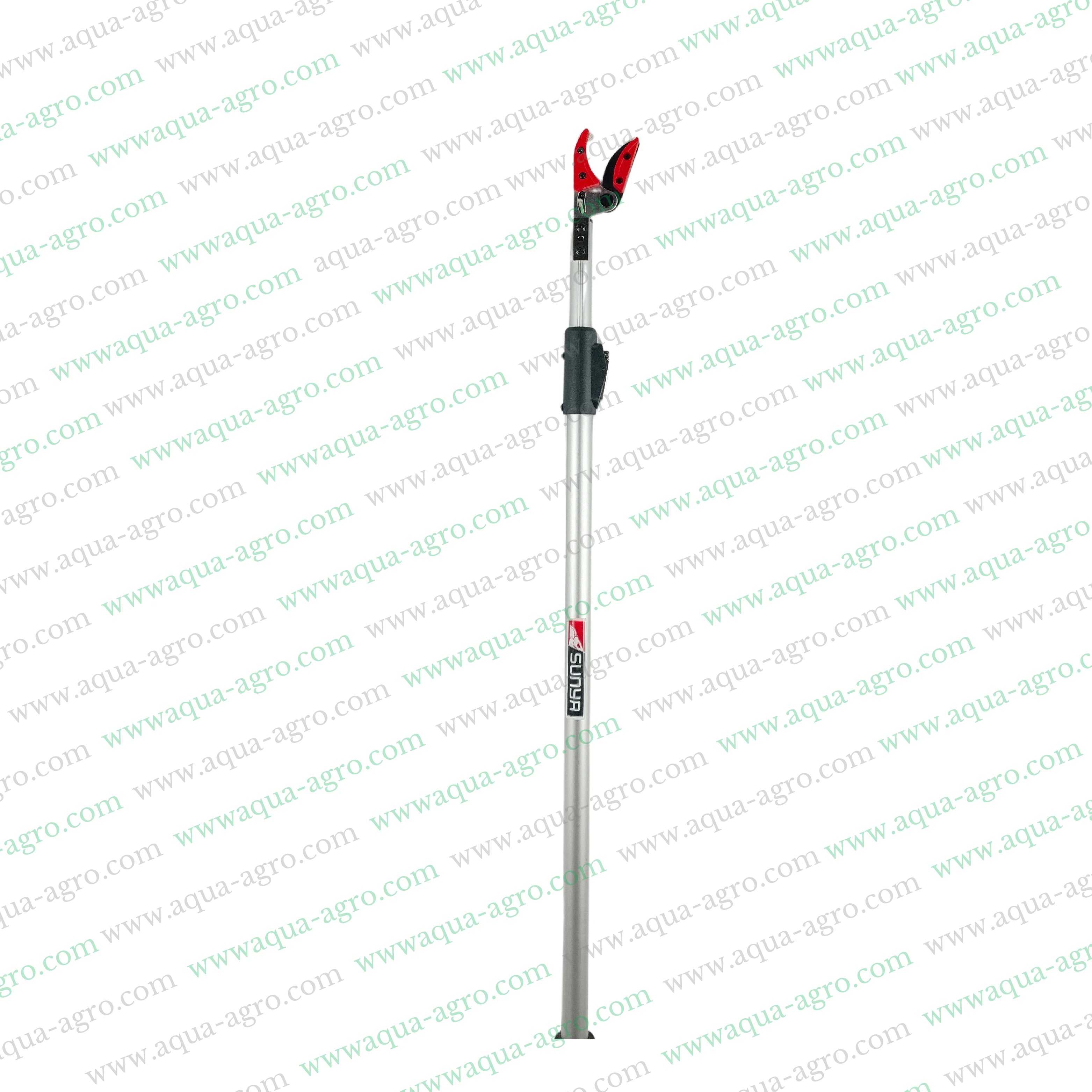
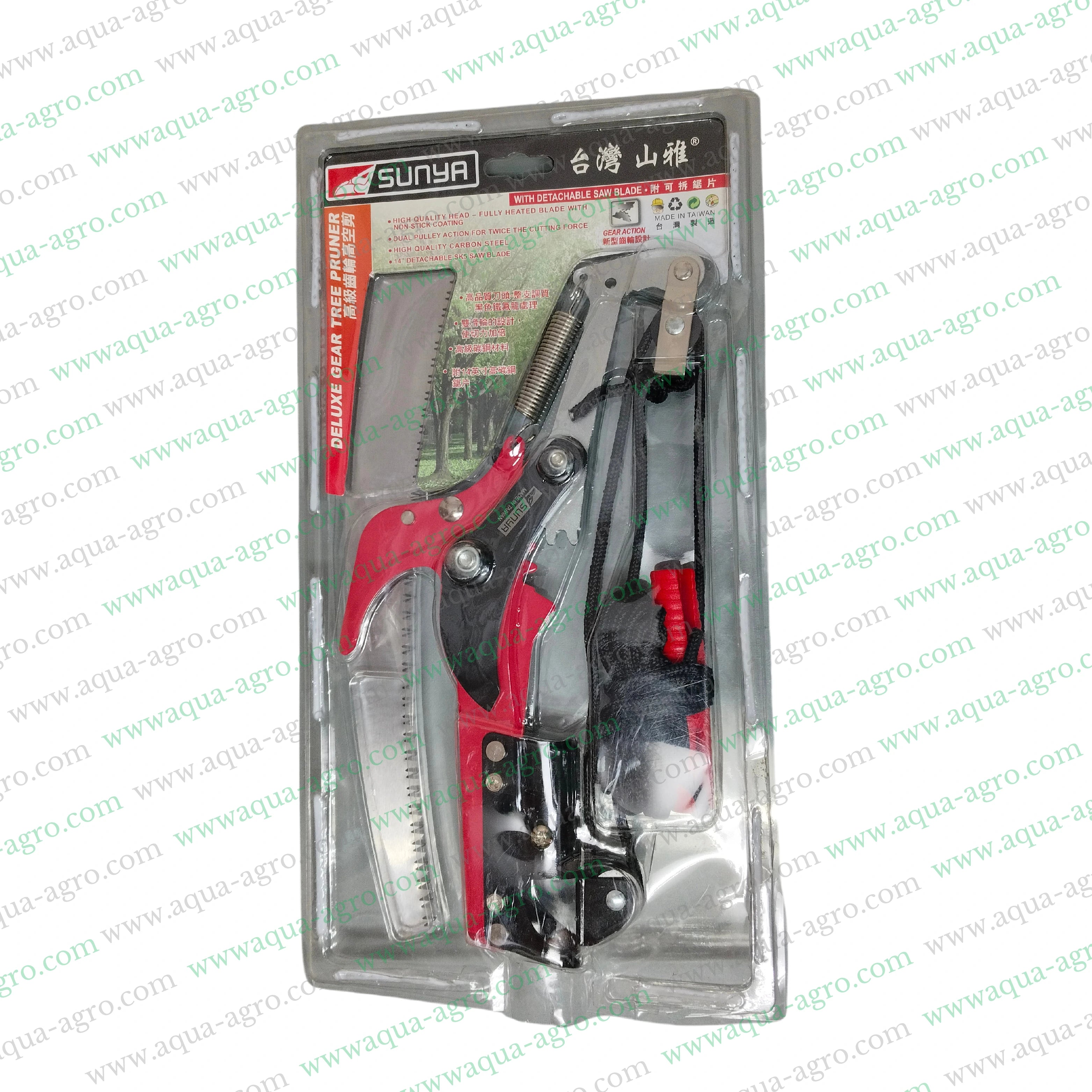
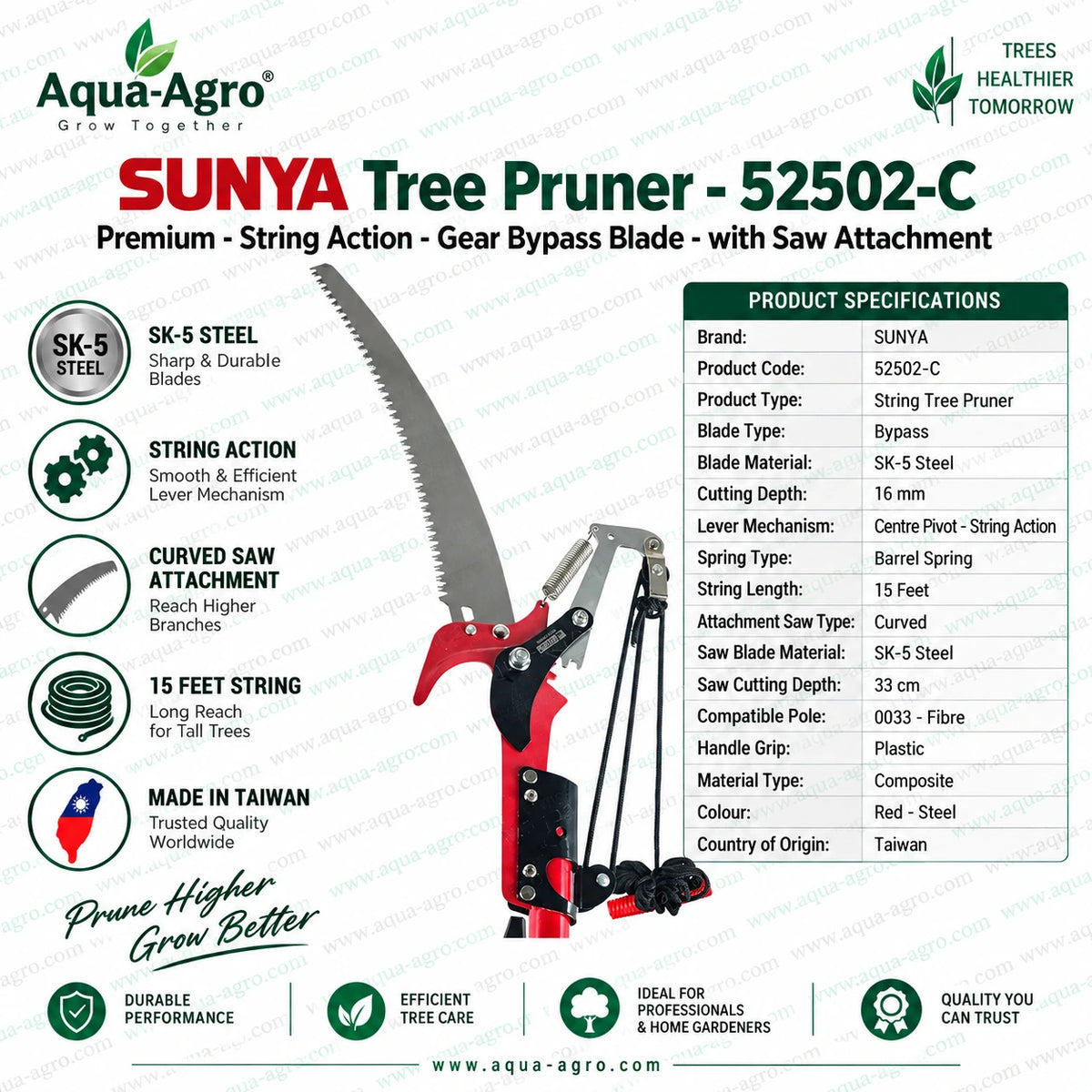
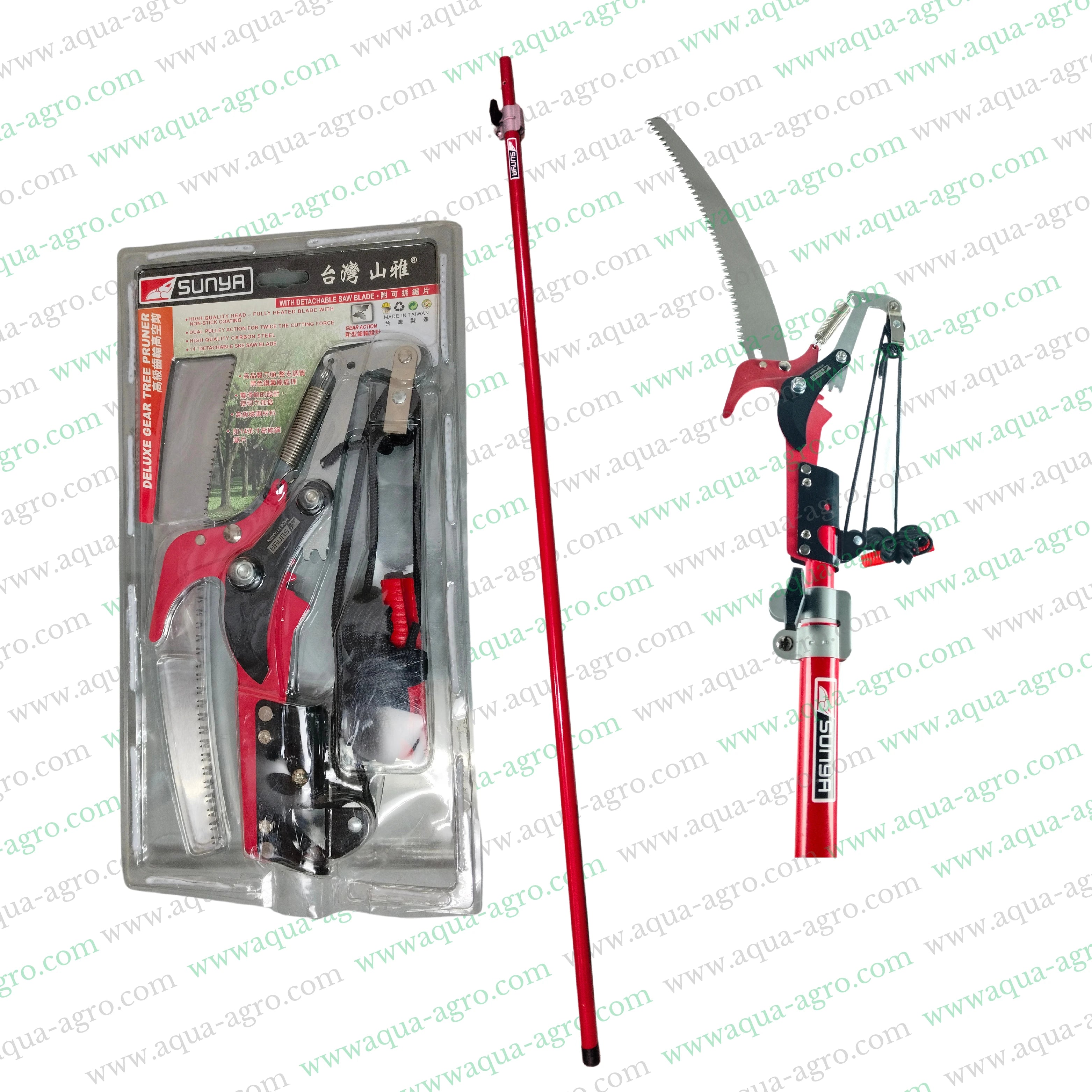
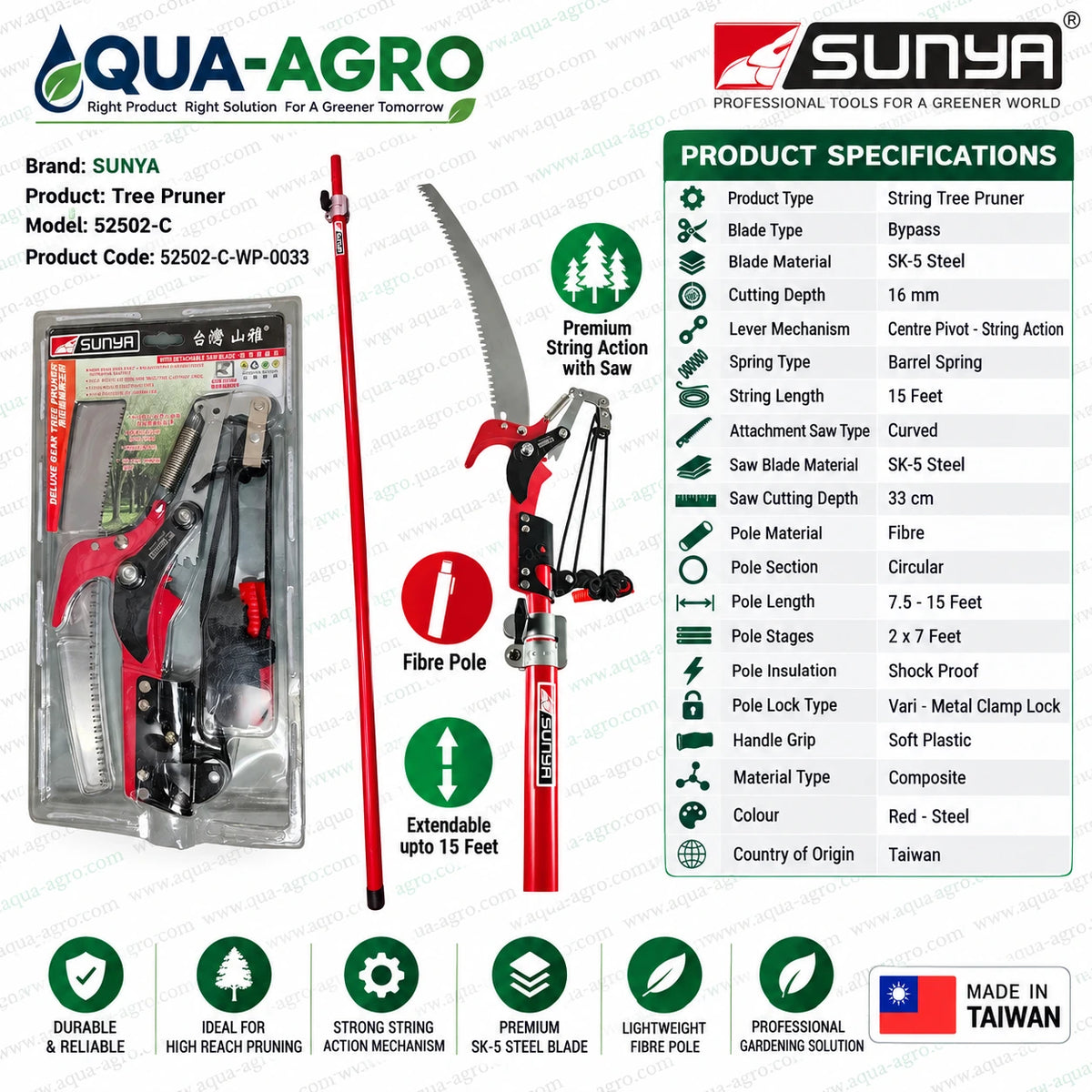
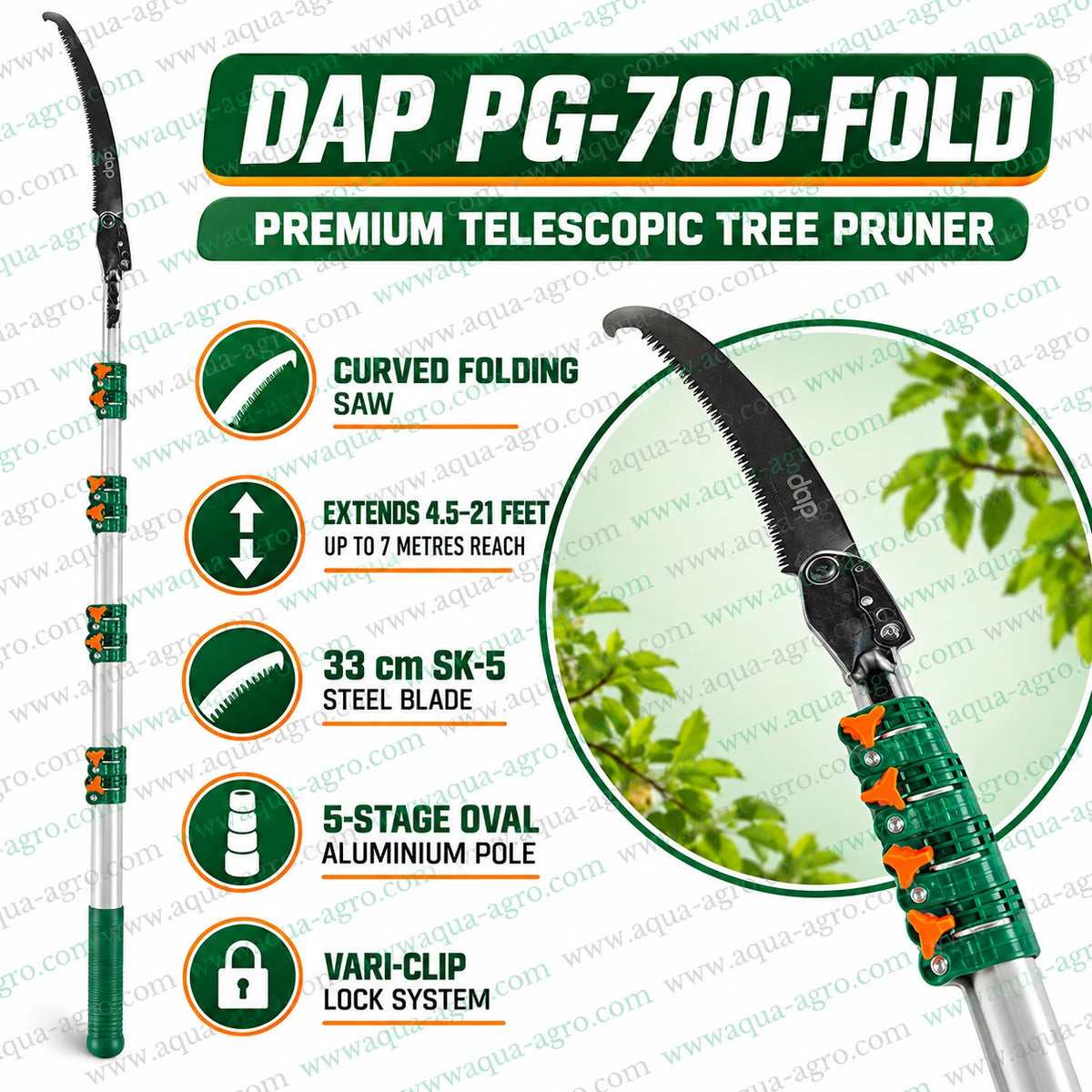
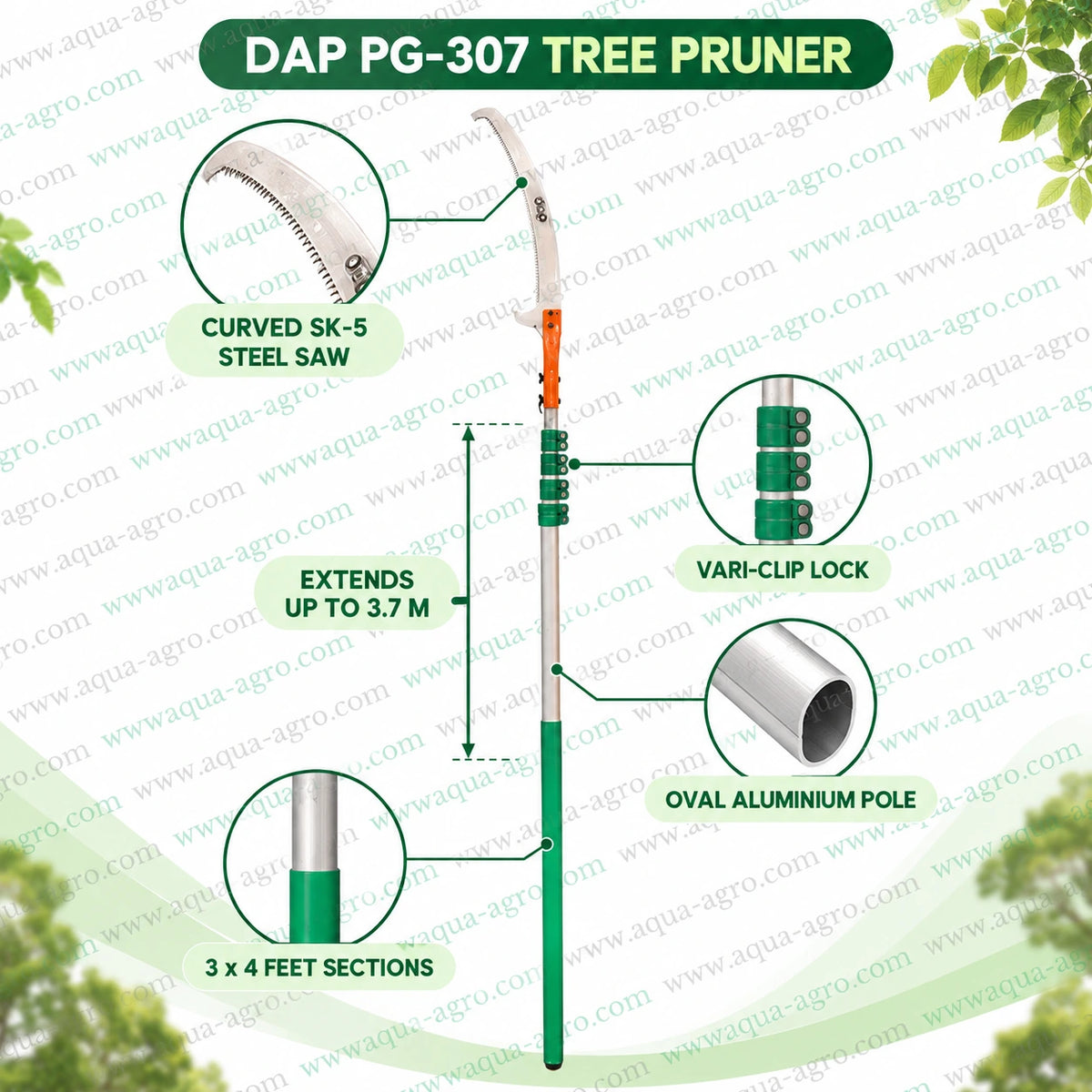
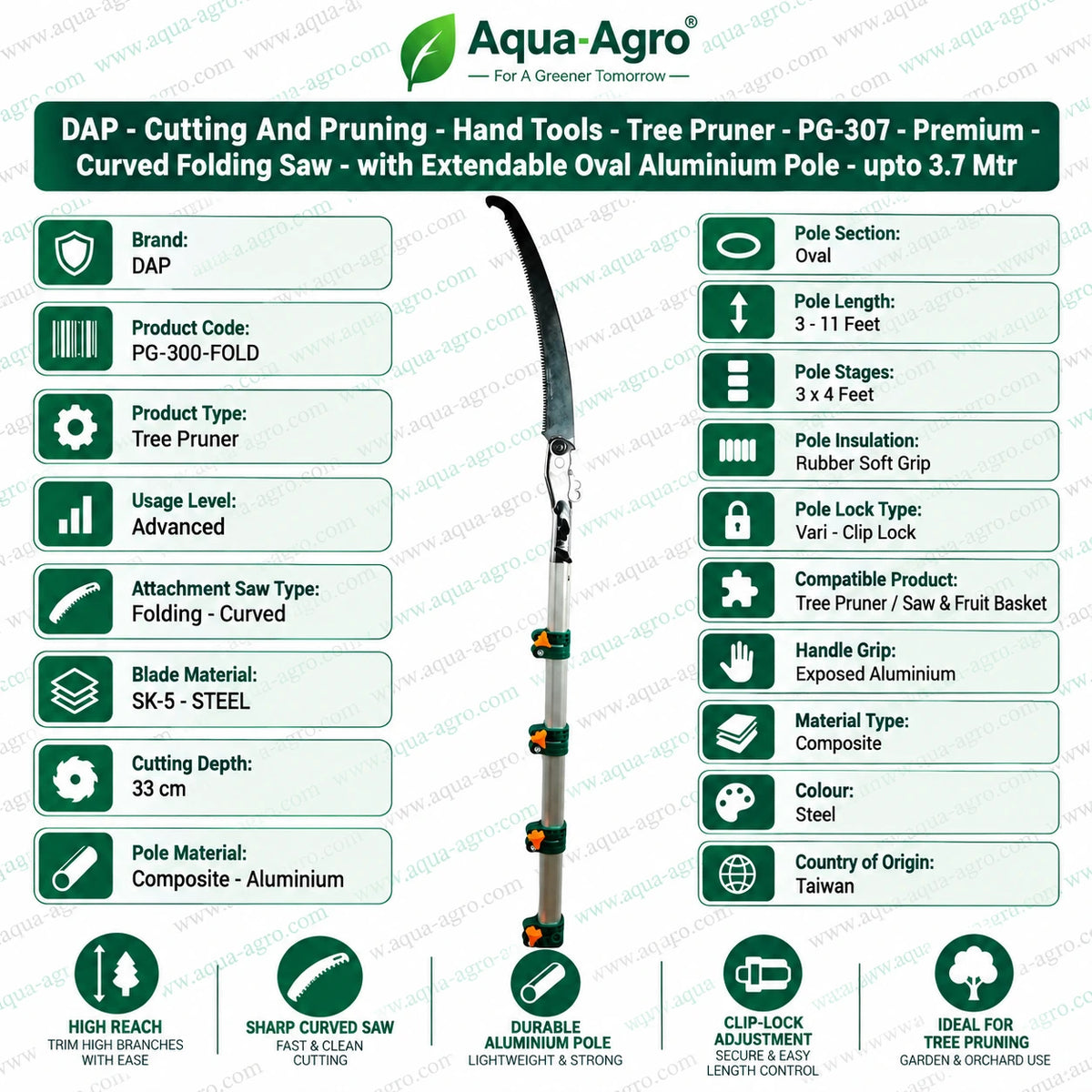
- Pole pruner can reach high branches effortlessly without ladders.
How to Choose the Right Tool for Your Garden
Choosing the perfect pruning tools for your garden or farm helps maintain them efficiently. Here are some important factors to consider:
1. Blade material
- You must choose a pruning tool with stainless steel or carbon steel blades for durability and sharpness.
- To reduce the risk of your pruning tool catching rust and make tasks like cutting with pruning shears, bypass blades, or anvil blades smoother and longer-lasting, choose high-quality blades only.
2. Handle design
- Look for ergonomic pruning shears with anti-slip grips to prevent strain during prolonged use.
- Features like a rotatable handle or cushioned grips improve comfort, especially with tools like loppers and hedge shears.
3. Task type
- Match your tool to the job:
- Use pruning shears for small flowers or delicate plants.
- Choose a lopper or pruning saw for cutting thicker branches.
- Rely on hedge shears or hedge trimmers for hedge shaping.
- Pole pruner is important if you are pruning high branches.
These are the most important factors in finding tools like fruit tree pruning tools or bonsai pruning tools to match your specific garden needs.
Pruning saw uses: Benefits of pruning your plants often
Regular pruning with the right plant pruning tools offers numerous advantages for your garden:
1. Encourages New Growth
- Tools like pruning shears or hand pruners stimulate fresh blooms and foliage by removing dead or unproductive stems.
- For trees, tree pruning saws help create room for vigorous new branches.
2. Prevents Overcrowding
- Pruning excess growth improves air circulation and lowers the risk of fungal infections and pest infestations.
- Pole pruner or lopper are perfect for reaching and pruning dense areas of a garden or your urban farm.
3. Enhances Appearance
- Shaping with hedge shears keeps plants neat and beautifying your garden.
- Proper pruning also provides a well-maintained look by maintaining the size and form of plants.
Use premium blades, ergonomic pruning shears, and other specialised tools regularly to ensure your garden stays healthy and visually appealing throughout the year.
Related products section
Enhance your pruning experience with these essential gardening accessories:
Tips to maintain your pruning saw and pruning tools
To ensure a long-life and optimum performance of your pruning tools, follow these tips:
1. Clean Blades
- Remove plant debris and sap from your pruning shears, loppers, and pruning saws. Always clean after every use to prevent buildup that can lead to rust.
- It is always a good practice to use a cloth soaked in rubbing alcohol or soapy water from wiping the blades clean to disinfect and maintain their sharpness.
2. Sharpen Regularly
- Sharpen your tools, such as bypass pruners and tree loppers, frequently to ensure smooth, efficient cuts.
- To maintain the edge and cutting precision of your premium blades, use a sharpening stone or file.
3. Oil Moving Parts
- The hinges and pivot points of tools like a hedge shear and a pole pruner need oiling to prevent friction and ensure smooth movement.
- Regular oiling helps prevent rusting and extends the lifespan of moving parts.
4. Store Properly
- Store your garden pruners and other tools in a dry, rust-free environment.
- Hang tools or keep them in a tool chest, and avoid storing them in damp areas to prevent corrosion.
Maintaining your plant-cutting tools through regular cleaning, sharpening, and lubrication helps keep your garden tools working efficiently and effectively for years!
Troubleshooting some common pruning tool issues
Even the best pruning tools can face issues over time. Here’s how to address some common problems:
1. Blades aren’t cutting properly
- If your pruning saw or pruning shears aren't cutting properly, sharpen the blades or replace them if they’re damaged.
- Sharpen regularly for smooth, clean cuts.
2. Rusting of tools
- If you don't clean or store loppers, tree pruning saws, and garden pruners properly, rust can form on them.
- Regularly clean tools after use and apply a protective oil coating to the blades and moving parts. This prevents your plant pruning tools from rusting as they create a barrier against moisture.
3. Handling pruning tools is difficult
- Pick up ergonomic options with anti-slip handles if you're struggling to handle hedge shears or a pole pruner.
- Ergonomic pruning shears and long-handled pruners reduce hand fatigue. They make your pruning tasks easier and more efficient.
By addressing these common issues, you can extend the life of your pruning tools.
FAQs: plant pruning tools
What are pruning tools used for?
Garden pruners, loppers, and hedge shears serve as pruning tools, removing dead or overgrown branches, sculpting plants, and enhancing the overall beauty of the garden. Specialised tools like a tree pruning saw or a pole pruner are useful for tasks like tree trimming. Using the right pruning tool promotes healthy growth and keeps your garden thriving.
How do I choose the right pruning tool?
Choosing the correct pruning tool depends on the plants you wish to prune/trim. Always match the tool to the task for efficient results.
- For small branches use hand pruners or bypass pruners.
- For thicker branches, use loppers and tree loppers.
- For higher branches, a pole pruner is ideal.
- If you are shaping hedges, using hedge shears or ergonomic pruning shears will provide you with precision and comfort.
How do I maintain my pruning tools for long-term use?
After every use, remove sap and debris by cleaning the blades of your pruning shears, loppers, and pruning saw. Use rubbing alcohol to disinfect and prevent disease spread. To prevent rusting, apply a light coat of oil. Sharpen tools like hedge shears and hand pruners regularly with a sharpening stone or file.
What is the best time to prune plants?
Different plant types have different pruning times. For most plants, late winter or early spring is ideal. This encourages healthy growth. For flowering shrubs that bloom in the spring season, prune immediately after they bloom. This helps us to avoid cutting off next year’s flowers. For fruit trees, pruning in late winter promotes productive growth. Always research specific plant pruning needs for the best results.
How often should I sharpen my pruning tools?
Regularly sharpen your pruning tools, like pruning shears, garden loppers, and pruning saw. Sharpen your tools every few weeks to ensure clean cuts during active gardening seasons. For less frequently used tools like a folding pruning saw, annual sharpening may suffice.
What’s the difference between bypass and anvil pruners?
Bypass pruners have two curved blades that slide past each other to give a clean cut. They are ideal for live branches and stems.
Anvil pruners have a single sharp blade that presses against a flat surface (the anvil). These are better suited for cutting deadwood.
So choose based on your gardening needs, as both pruning tools serve different purposes.
Can I use the same pruning tool for all tasks?
It is best to use specific tools for different tasks, even though some plant pruning tools are considered versatile.
Use pruning shears for small flowers or delicate plants. Choose a lopper or pruning saw for cutting thicker branches. Rely on hedge shears or hedge trimmers for hedge shaping. Pole pruner is important if you are pruning high branches.
How do pruning tools contribute to plant health?
You can remove dead or diseased branches using pruning tools to improve air circulation and reduce pests. You can encourage healthy growth and better flowering or fruiting by using tools like hedge shear, pruning saw, and bypass pruner. These sharp pruning tools provide a clean cut, allowing plants to heal quickly and reducing the risk of disease.
What safety precautions should I take when using pruning tools?
Safety is utmost when handling any pruning tool. It is best if you wear gloves to protect your hands and goggles to shield your eyes from debris. If you are using a pole pruner or a tree lopper, always use a stable ladder.Your pruning saw or hedge shears must be sharp. This is to prevent accidents caused by blade slippage.
How do I clean and disinfect/prevent rust in my pruning tools?
Clean pruning tools like pruning shears and hedge shears with a brush and warm soapy water to remove sap. Do this after each use. After this, you have to disinfect the blades with rubbing alcohol or a bleach solution to prevent disease spread. Proportions: 1 part bleach to 9 parts water. Dry thoroughly using a dry cloth or a blower and apply a light coat of oil to prevent rusting. Store them in a dry place away from moisture. For added protection, store tools like long-handled pruners or tree loppers in a container with sand and oil.
What are the uses of a pruning saw?
A pruning saw is essential for tree trimming and removing large and dead branches of a tree. Their design allows them to cut thick branches that your hand pruners or loppers cannot manage.
What are loppers, and when should I use them?
Loppers can cut thicker branches up to 1.5 inches in diameter. They are long-handled pruning tools. They provide leverage and are perfect for shaping trees or removing medium-sized branches.