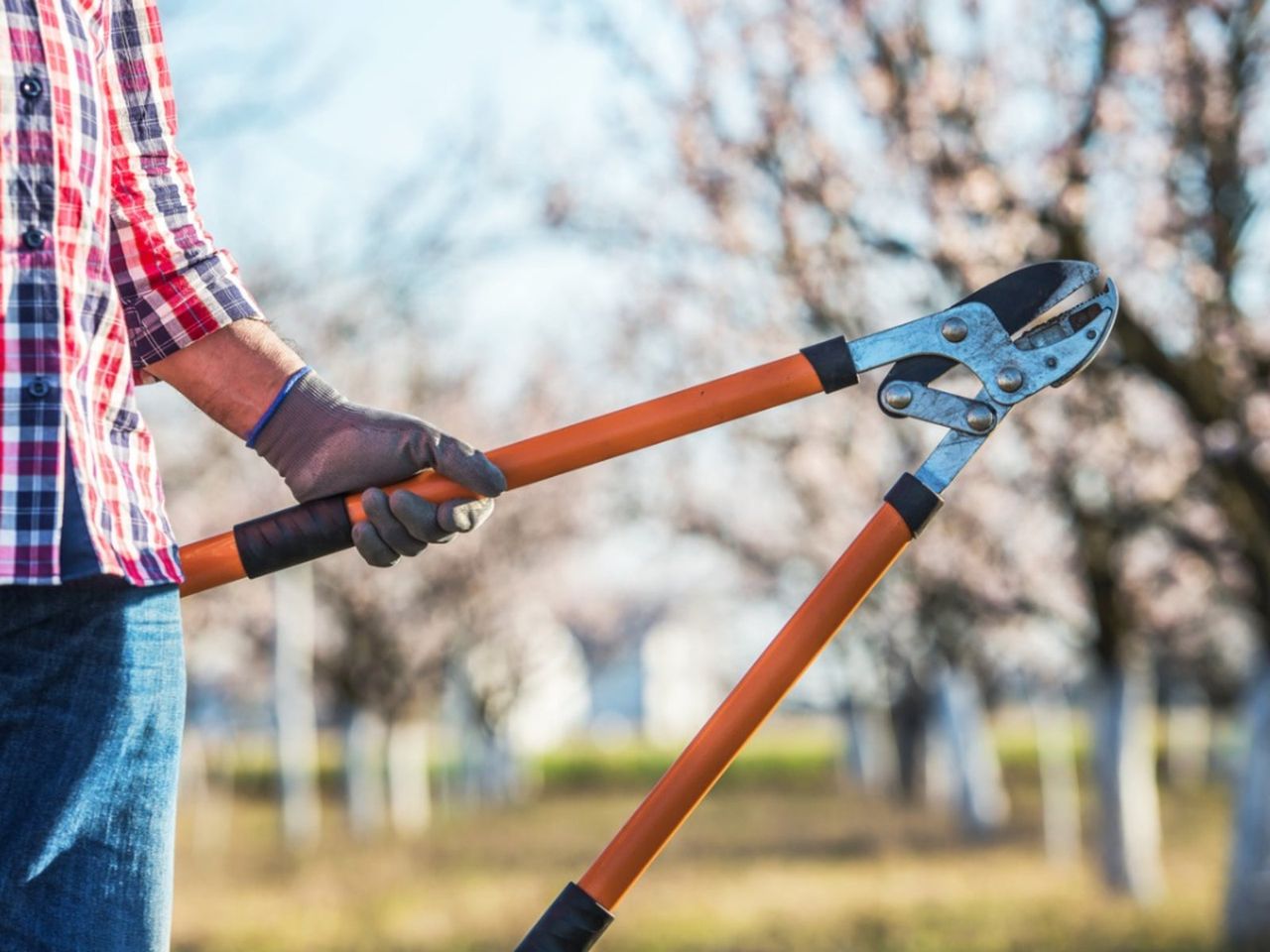
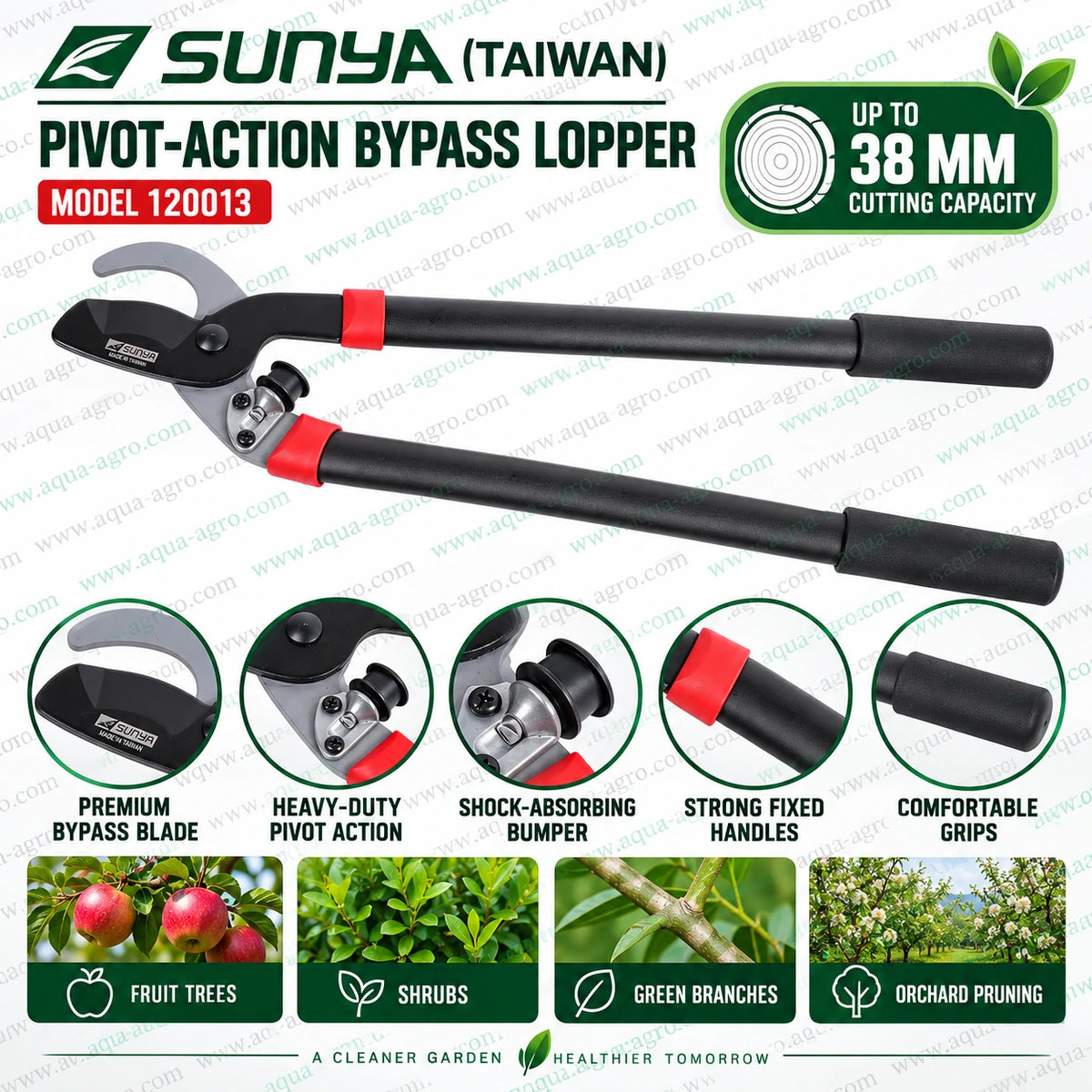
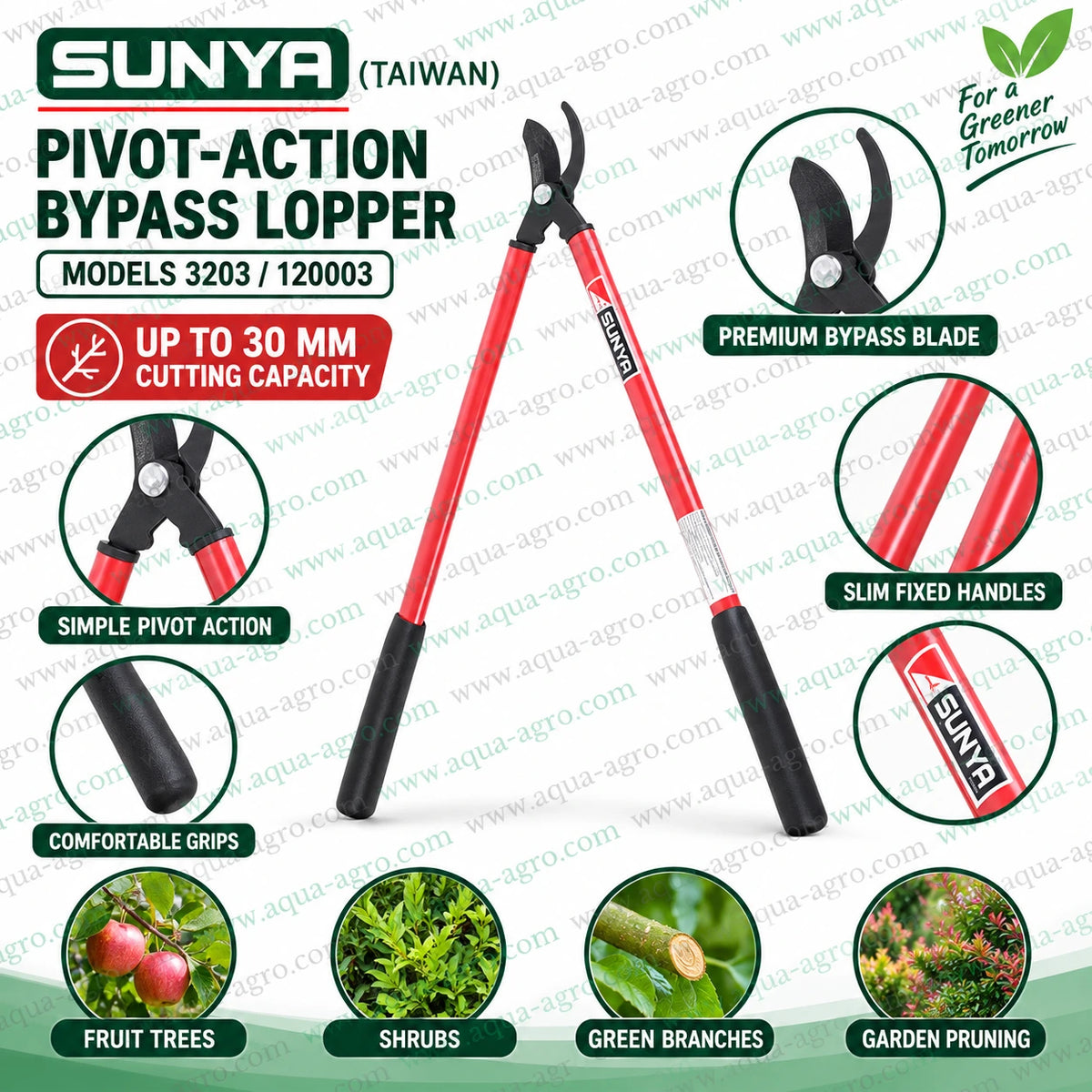
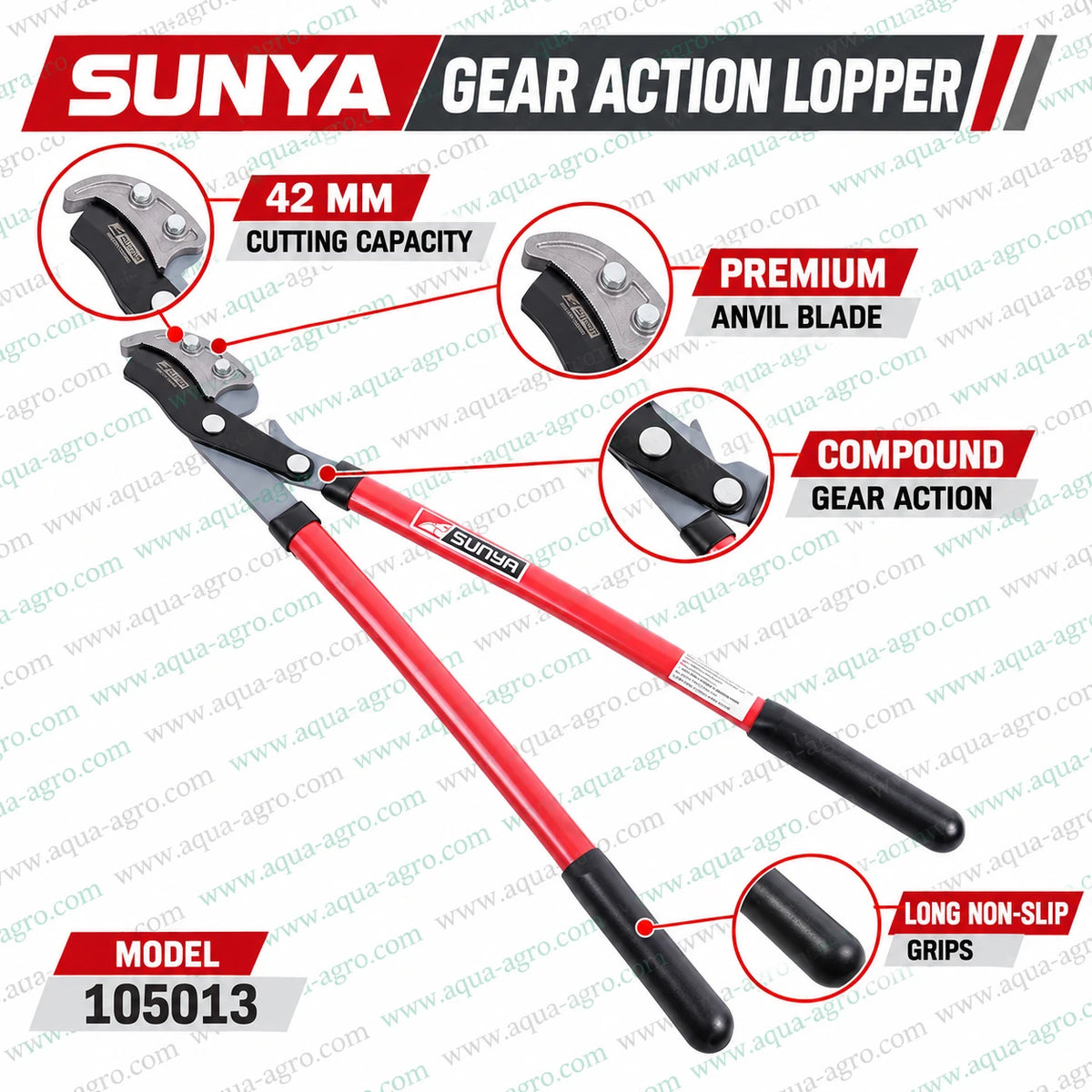
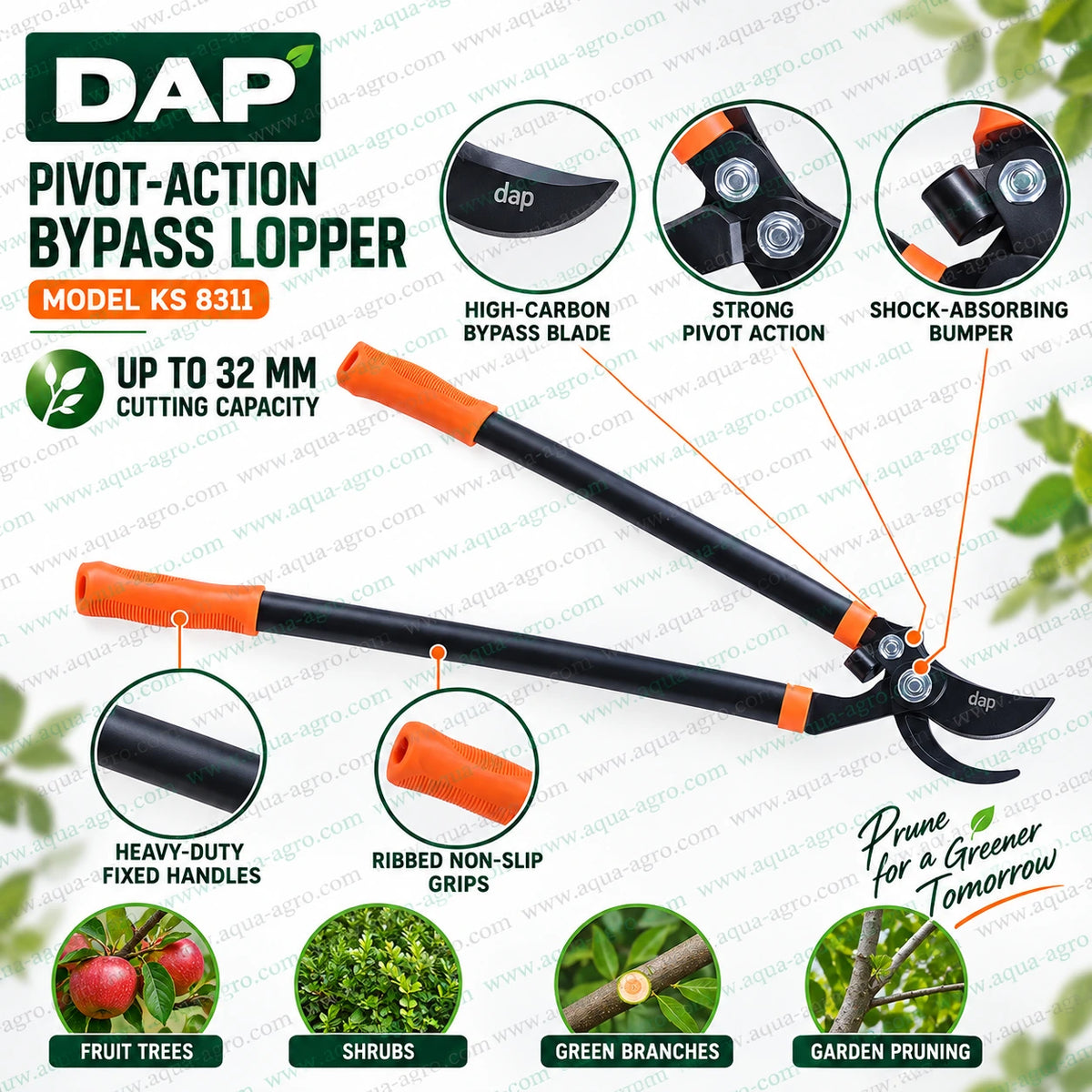
Loppers are gardening tools with long handles that are made to cut thick branches easily and shape trees. They give you the leverage and power to cut twigs up to 2 inches in thickness and are an important tool in your toolkit.
How do loppers work?
Loppers are similar to scissors, with two blades working together to create a clean and efficient cut. Depending on the blade type, they can:
- Glide past each other for precise, clean cuts on live branches (bypass loppers).
- Use a straight blade that closes against a flat surface, ideal for cutting dead wood (anvil loppers).
How to choose the right loppers
Your gardening needs determine the lopper you buy. Here’s a guide to help you make the right choice and find the best loppers for gardening:
Blade type:
- If you plan to cut live branches and stems, bypass blades give you a smooth, damage-free cut.
- If you are going to cut dead wood or tougher branches, an anvil blade lopper would be the best option.
Handle Length:
- Loppers with standard handles are ideal for general pruning tasks.
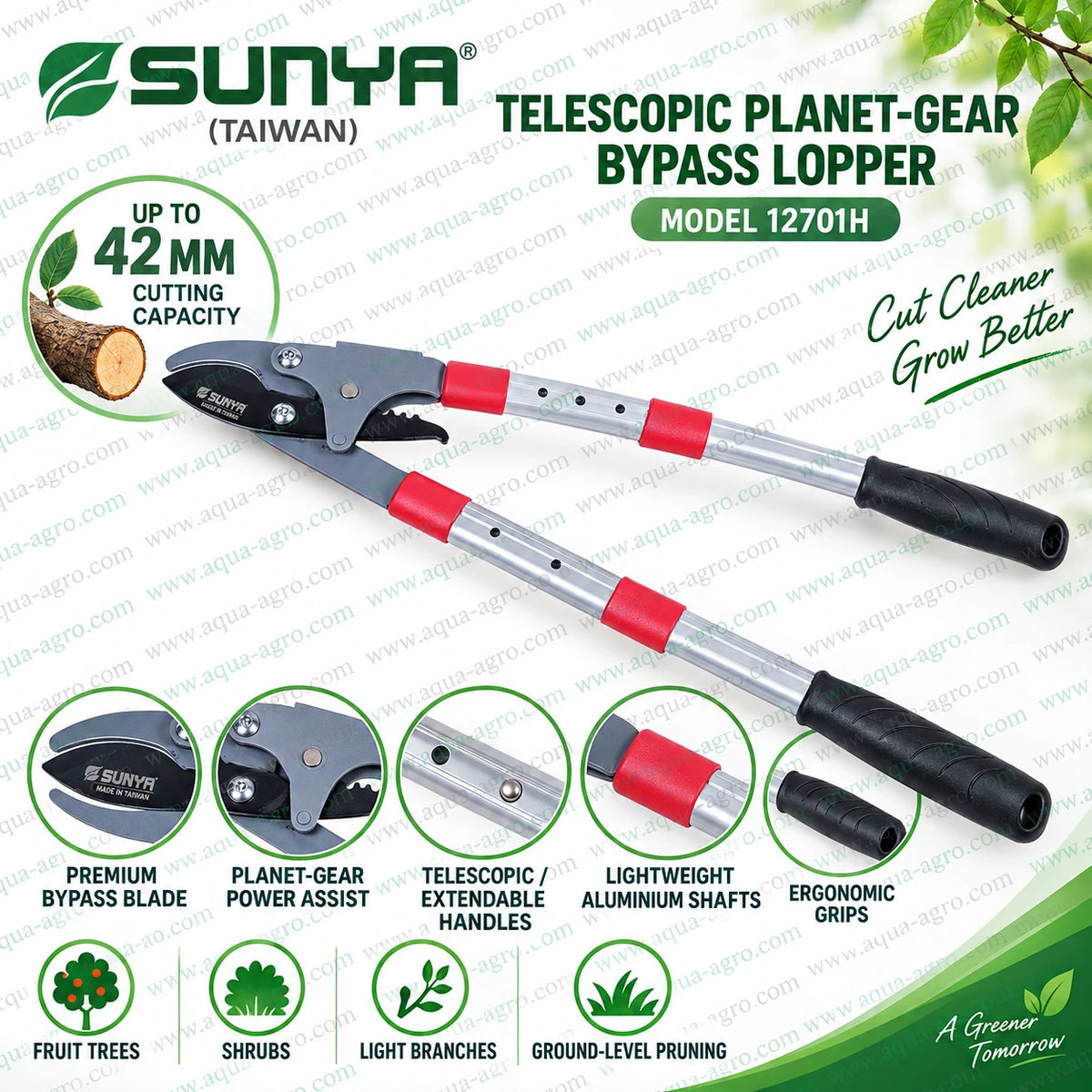
- Telescopic handle loppers have an extendable handle and make it easy to reach high branches without the need of a ladder.
Material Quality:
- Always choose loppers with rust-resistant steel blades for longevity and sharpness. The loppers in our store are resistant to rust.
- Look for loppers that have lightweight, durable handles with non-slip grips for comfort during extended use.
Importance of loppers in gardening
Loppers are very versatile. They help:
- Cut those thick branches, which are ideal for trimming trees and handling overgrown vegetation.
- Trim and shape trees, ensuring your trees are healthy and aesthetically pleasing too.
- Helps maintain a tidy, well-groomed garden.
Benefits of loppers you buy from our store
- We sell loppers crafted with high-carbon steel blades, making them durable and reliable.
- We totally understand the fatigue you face with occasional trimming, so we have listed only loppers that have ergonomic handles. They reduce strain during extended use.
- These loppers are versatile, making them ideal to cut dead branches, trim bonsai trees, or cut grape vines for wreaths.
- The bypass loppers used for live branches and the anvil loppers used for dry wood offer precision cuts.
- We also have loppers with telescopic handles for an extended reach: to high branches and hard-to-reach areas.
Types of Loppers
We have four types of loppers in our store for you.
- The best tool for cutting live branches and soft stems cleanly is a bypass lopper.
- Anvil loppers are designed for cutting dead or dry branches in your garden/farm. We have some of the best anvil loppers in our stores.
- If you are planning to trim far to reach branches, telescopic loppers will help you. We have the best telescopic tree loppers.
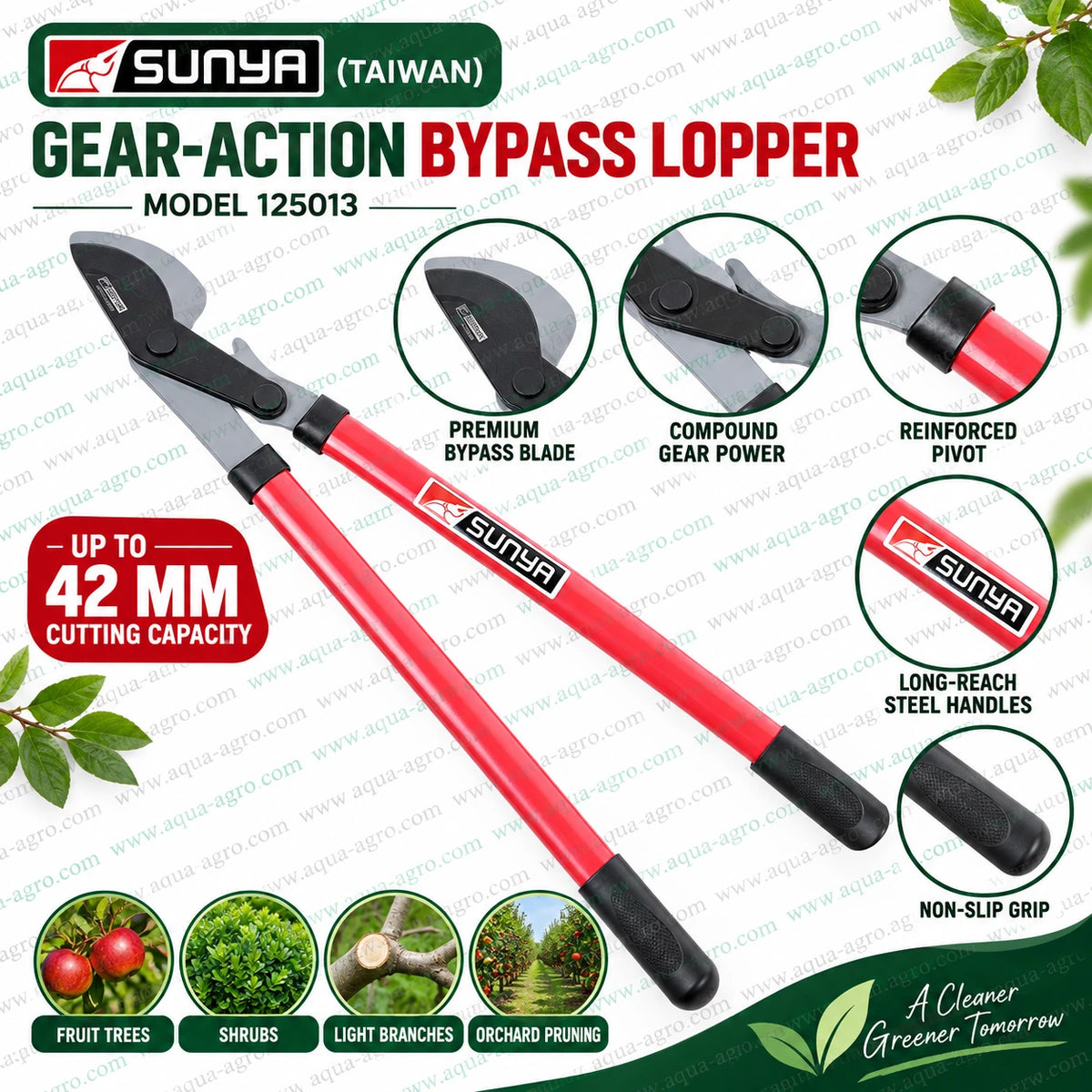
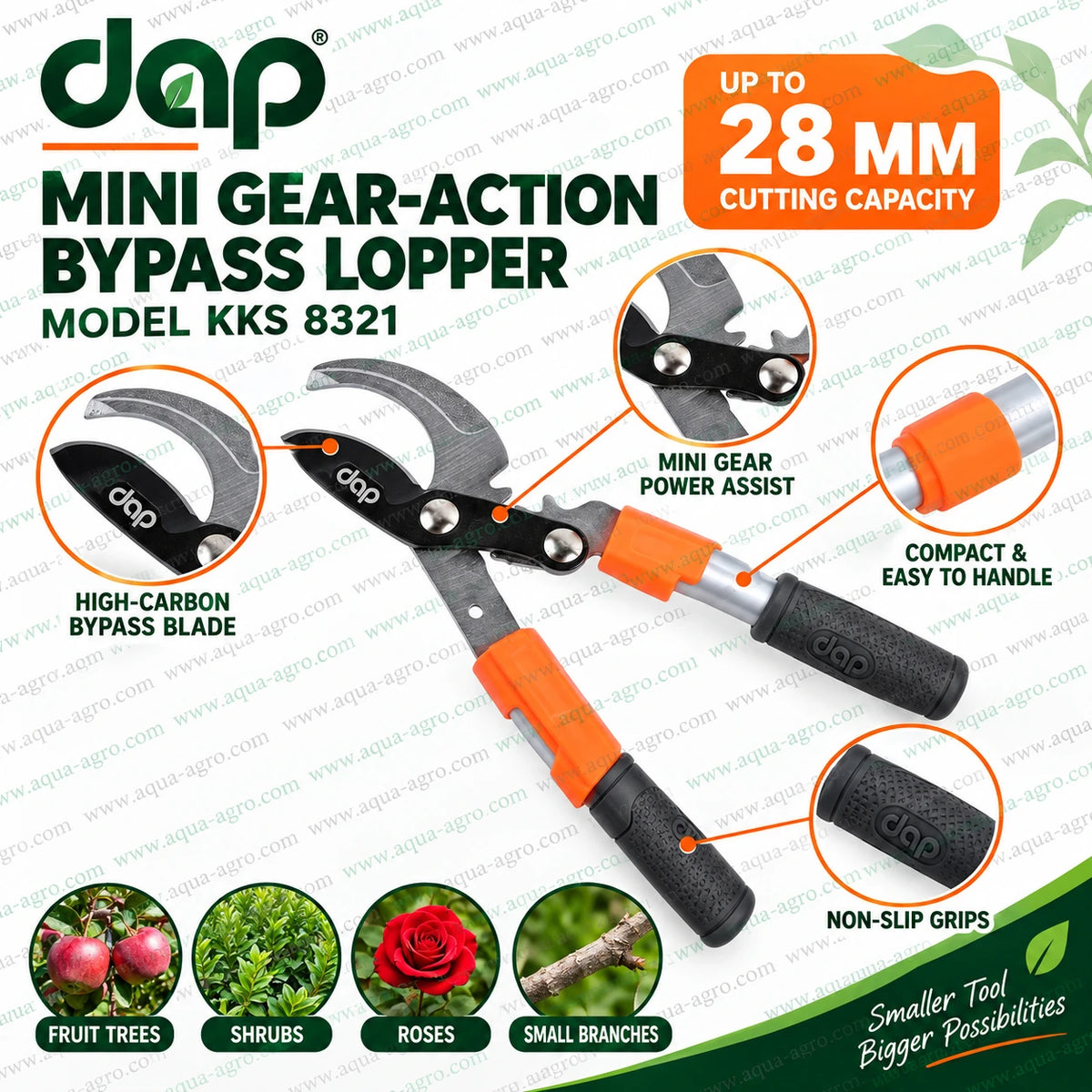
- Gear action loppers are the best loppers for thick branches, as they give you that extra cutting power.
Benefits of regularly maintaining your tree loppers
Extended lifespan
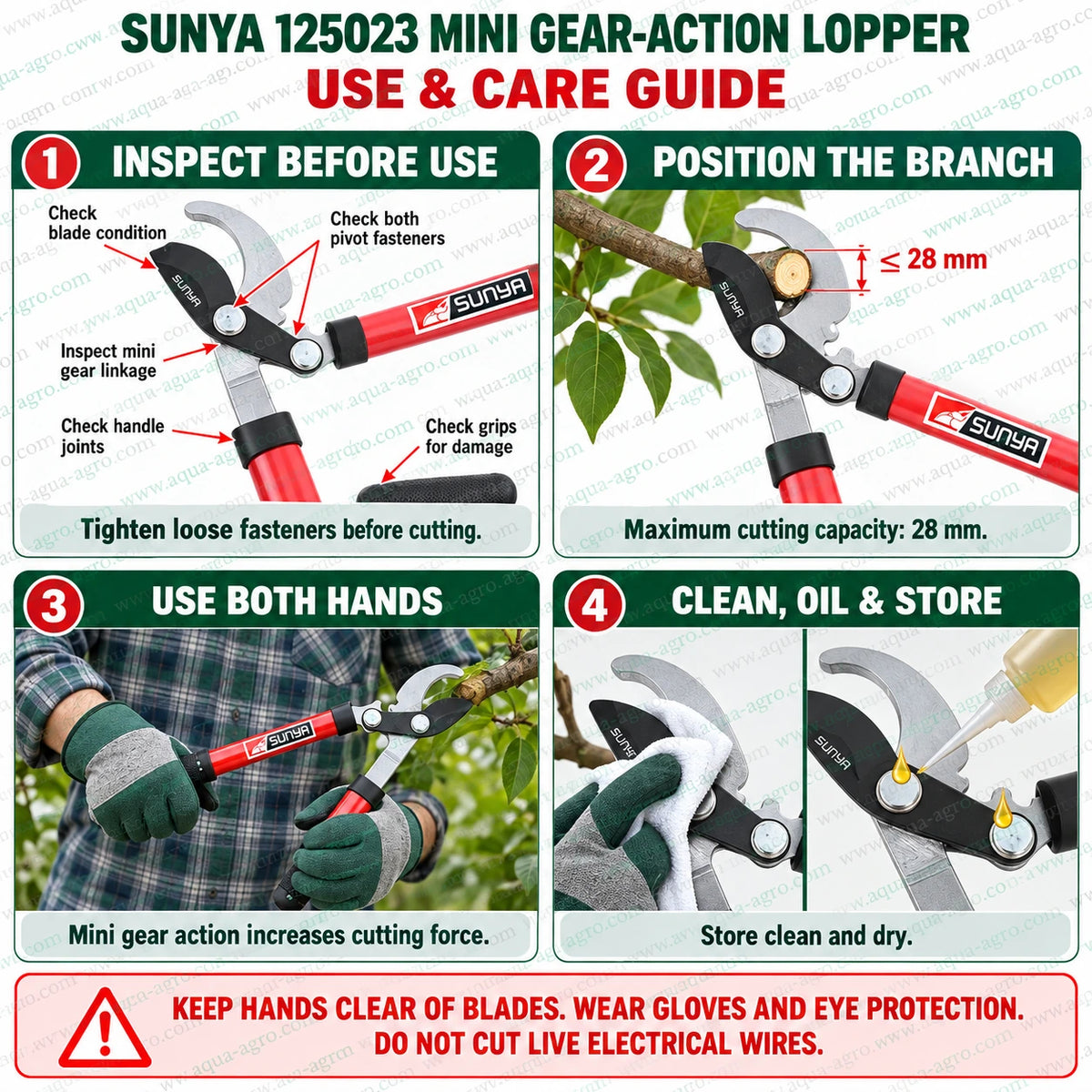
Proper maintenance significantly prolongs the life of your loppers. So regularly clean your loppers to remove sap, dirt, and debris that can corrode blades or wear down moving parts over time.
Sharp blades last for years and reduce the need to replace the blades of your loppers/plant cutters often
Improved efficiency
Dull blades or stiff mechanisms will make it difficult to trim trees. Keep the blades of our lopper sharp and their hinges lubricated. This is how you can ensure smooth, effortless cutting with every use.
Such well-maintained loppers provide cleaner cuts. Such clean cuts prevent unnecessary tearing or damage to branches.
Enhanced safety
Maintain your lopper/plant cutter to prevent the risk of accidents. If the blades of your branch cutters are dull, you need to use more force, which can lead to slips or uneven cuts. If the mechanisms of your loppers are sticking or stiff, they may cause unexpected blade movement. Regularly inspecting and maintaining your loppers makes gardening safer and more enjoyable.
Related Products Section
These are some of the garden cutting tools/tree trimming tools in our store:
Troubleshooting Common Issues
Loppers are struggling to cut clean
The blades of your plant cutter may most probably be dull. So, sharpen the blades of your loppers regularly. If sharpening is not feasible, replace worn-out blades to restore cutting performance and efficiency.
The loppers aren’t moving freely
This most probably will be because of the sticking of the lopper blades or stiff mechanism. All you need to do is clean out dirt and debris from the moving parts and apply lubricant! This is how you make your tree lopper/branch cutter move freely.
The handles of the tree cutters/loppers are wobbly
Wobbly handles compromise safety and control. You have to tighten any screws or bolts so that you can secure the handles. This can help you maintain a firm grip while using your tree lopper.
The blades are all rusty
Rusting can weaken the blades and mechanisms of your loppers. So do this:
- Start by removing rust with a wire brush or rust remover.
- Then clean the lopper thoroughly.
- Apply a thin coat of anti-rust solution/spray.
- Finally, remember to store it in a dry, protected space to prevent further corrosion.
FAQs about loppers
What is the difference between bypass and anvil loppers?
A bypass lopper has two blades, just like scissors. These blades glide past each other. They are perfect for clean cuts on live branches and plants. This design minimises damage to healthy growth.
An anvil lopper has a straight blade that closes onto a flat surface called the anvil. They provide more force for tougher cuts and make them better suited for cutting dry or dead wood.
Should you cut dead branches off trees?
Yes, you have to prune dead branches. This prevents decay or disease from spreading to other parts of the tree. If you cut dead branches regularly, you also reduce the risk of falling branches. It is especially safe if kids run around the garden or yard.
When to cut dead tree branches?
Winter or early spring is the best time to cut those dead branches. Pruning in winter is ideal because there are no leaves, allowing for better visibility. This also promotes healthy new growth as spring arrives. Please ensure you learn how to use loppers properly before attempting to cut dead tree branches.
What are the best loppers for trees and thick branches?
Thicker tree branches call for heavy-duty, gear-action, or anvil loppers. These types of loppers have superior cutting power. They have greater leverage, allowing you to easily handle thick or tough branches. You could go for telescopic loppers, as they give you an added reach when trimming higher branches. Remember to follow best practices on how to cut dead tree branches.
How to cut grape vines for propagation?
You have to use sharp bypass loppers to make a clean cut just below the node. A node is the point where a leaf or branch joins the stem. Also ensure that you cut it about 12–18 inches long and plant it in a nutrient-rich growing medium to encourage root development. This is how you propagate grapevines.
Which is better, anvil or bypass loppers?
The choice depends on the task at hand:
- Go for anvil loppers if you are cutting tough, dry wood or dead branches, as they exert more force.
- If you have to cut live, green branches, choose bypass loppers. They make clean, precise cuts without crushing the stem.
How do I replace a lopper blade?
Lopper blade replacement is pretty straightforward.
- You start by finding the bolts securing the old blade and unscrewing it.
- Next, you have to clean the housing and inspect for rust or debris. Use an anti-rust coat just in case.
- You then have to attach the new blade securely. Remember to ensure the blades are properly aligned to the lopper handles.
- You then tighten the bolts and test the loppers to ensure that they are operating smoothly and giving you clean cuts.
How to trim bonsai branches? Can loppers be used?
Absolutely! Loppers that have smaller blades and ergonomic handles are suitable for trimming the larger branches of a bonsai tree. That said, for finer, more detailed work on smaller branches of a bonsai tree, hedge shears are more effective.
Can loppers be used for cutting grass or shrubs?
Loppers are primarily designed for cutting branches. However, they can be used for trimming thick shrubs or grass in hard-to-reach areas.