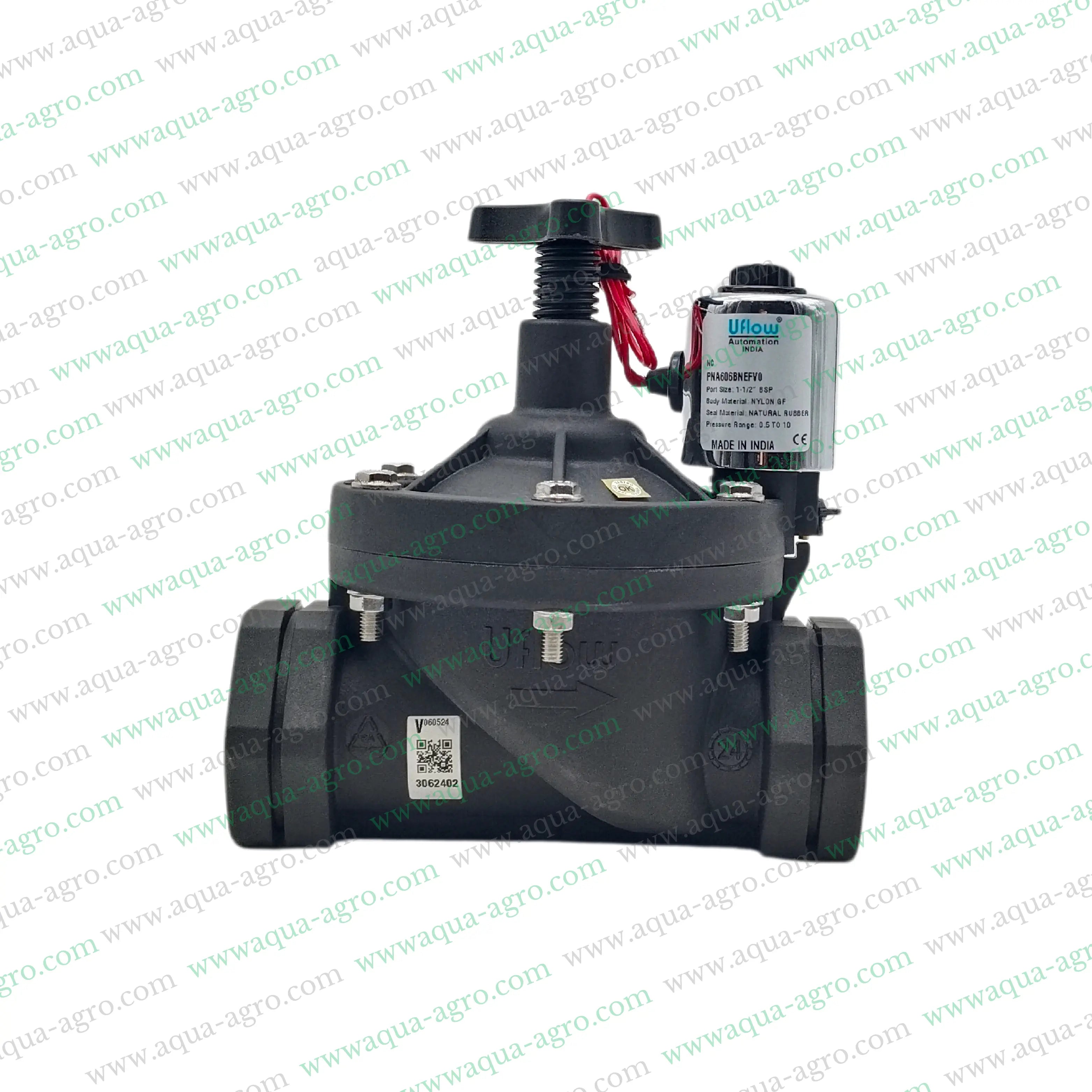
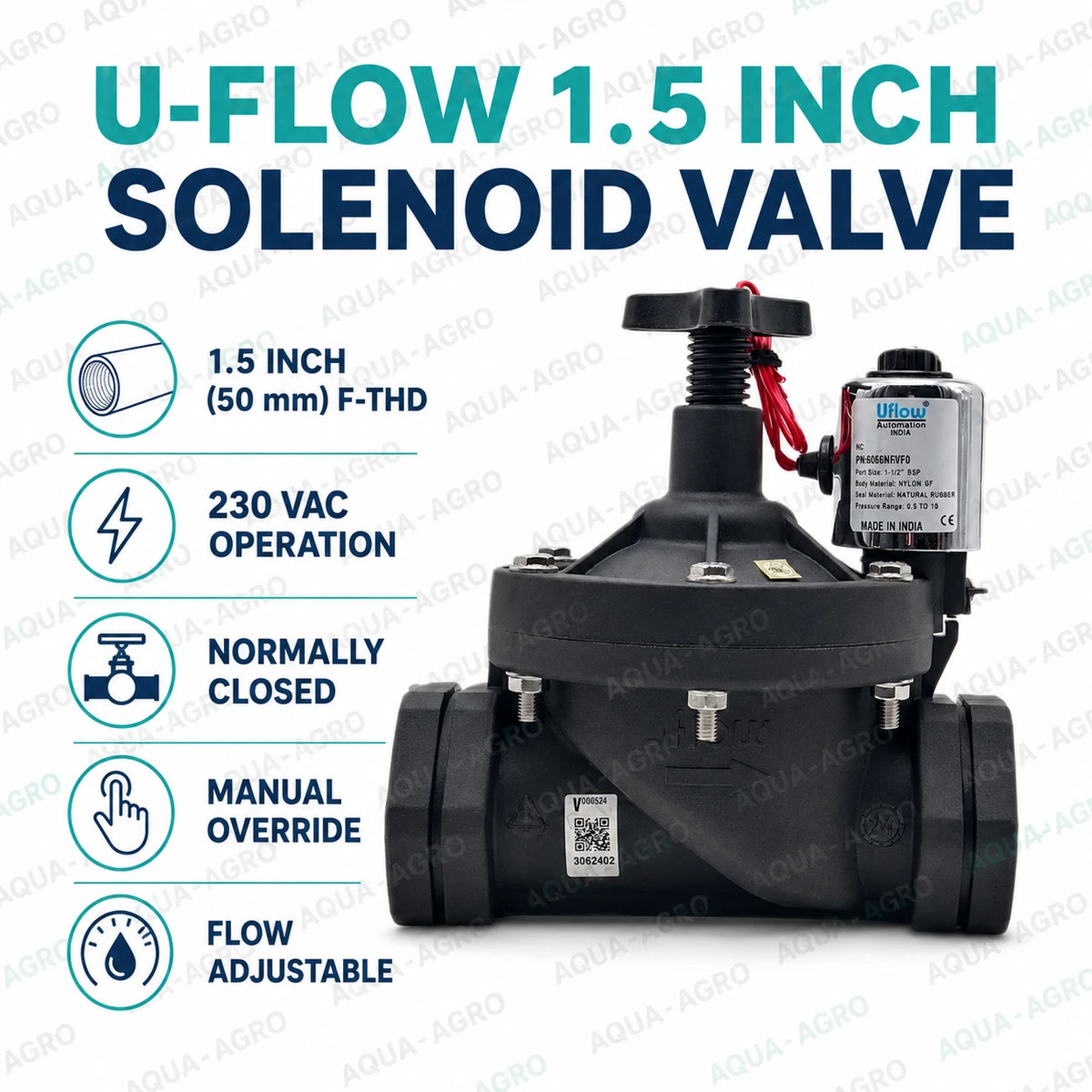
Introduction to solenoid valves
What is a solenoid valve?
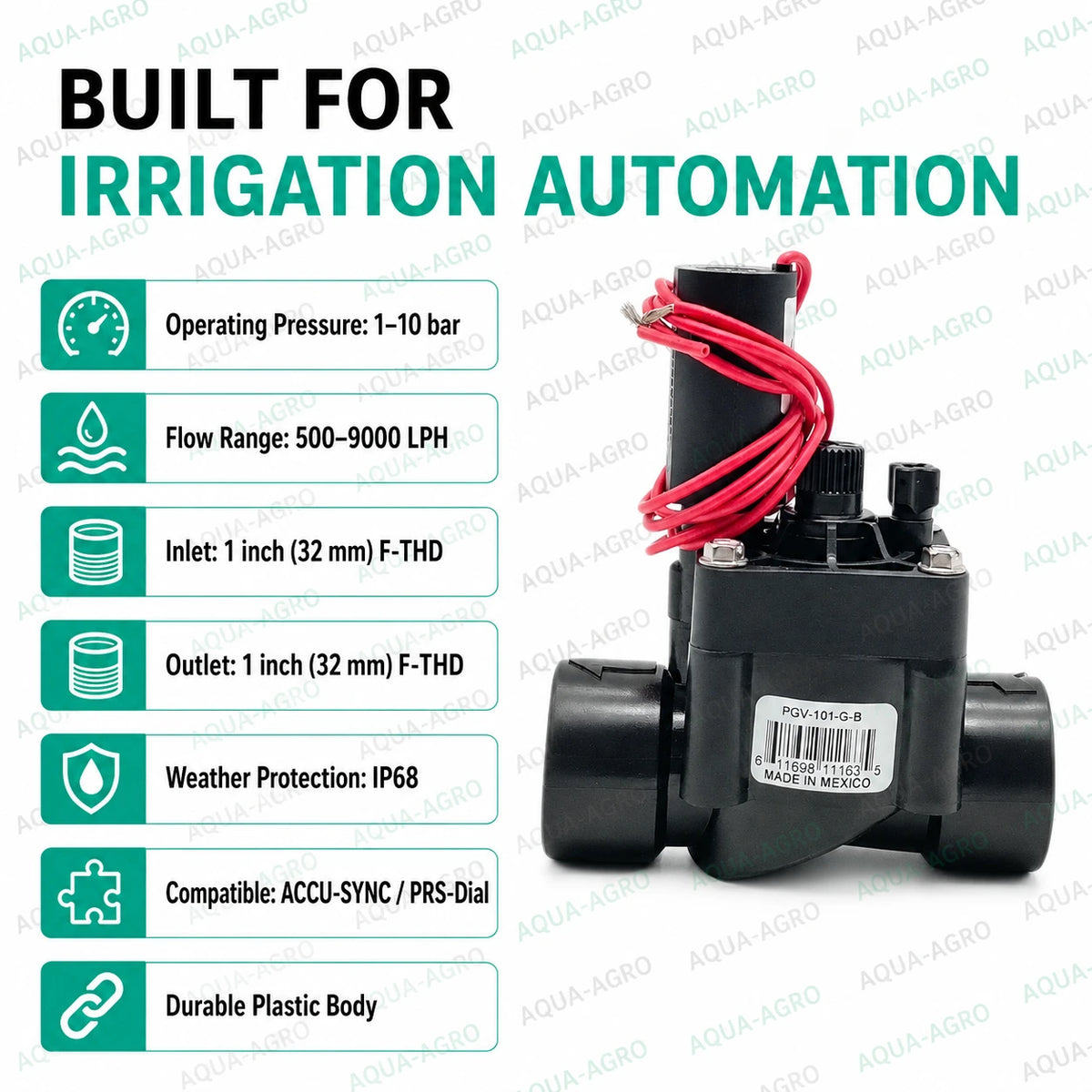
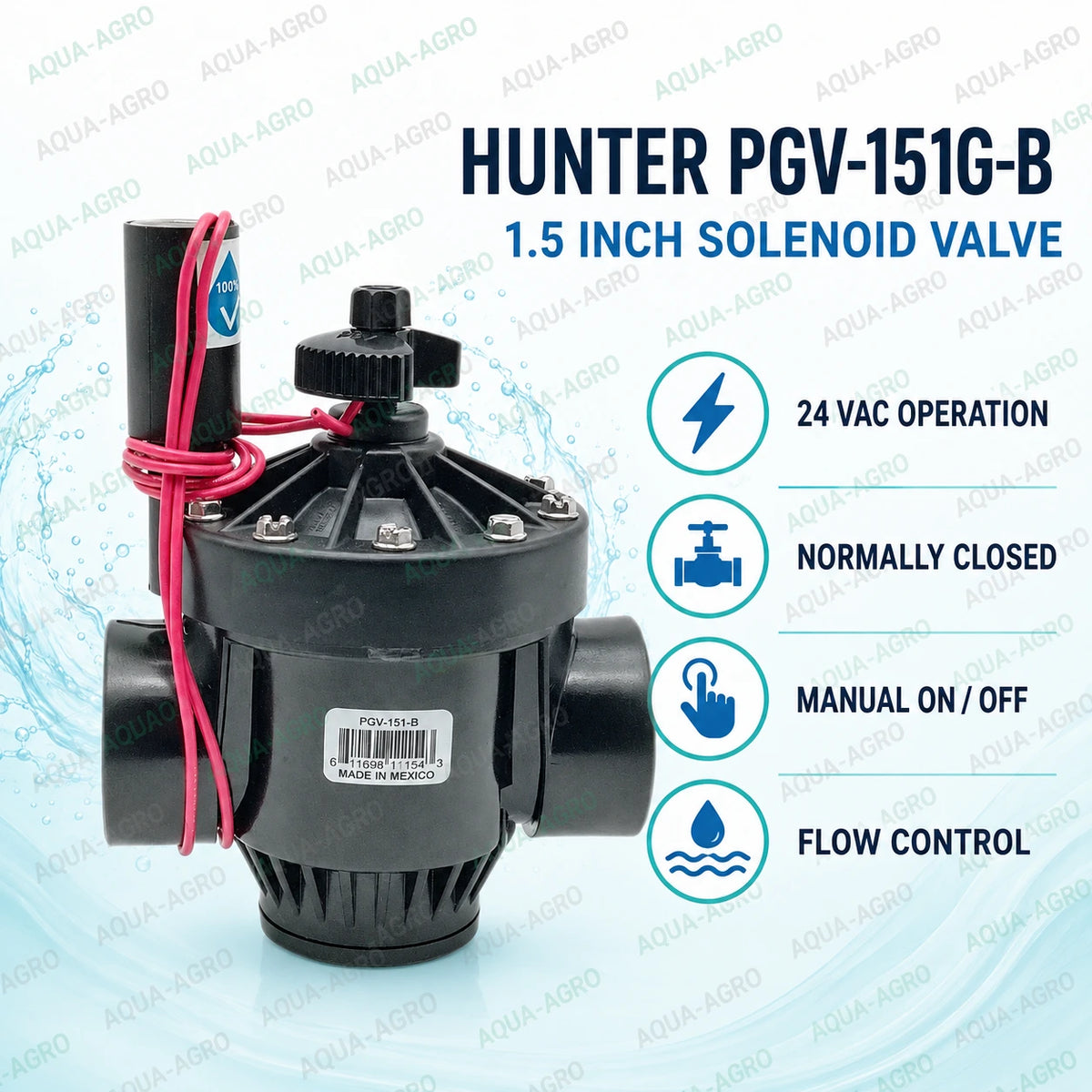
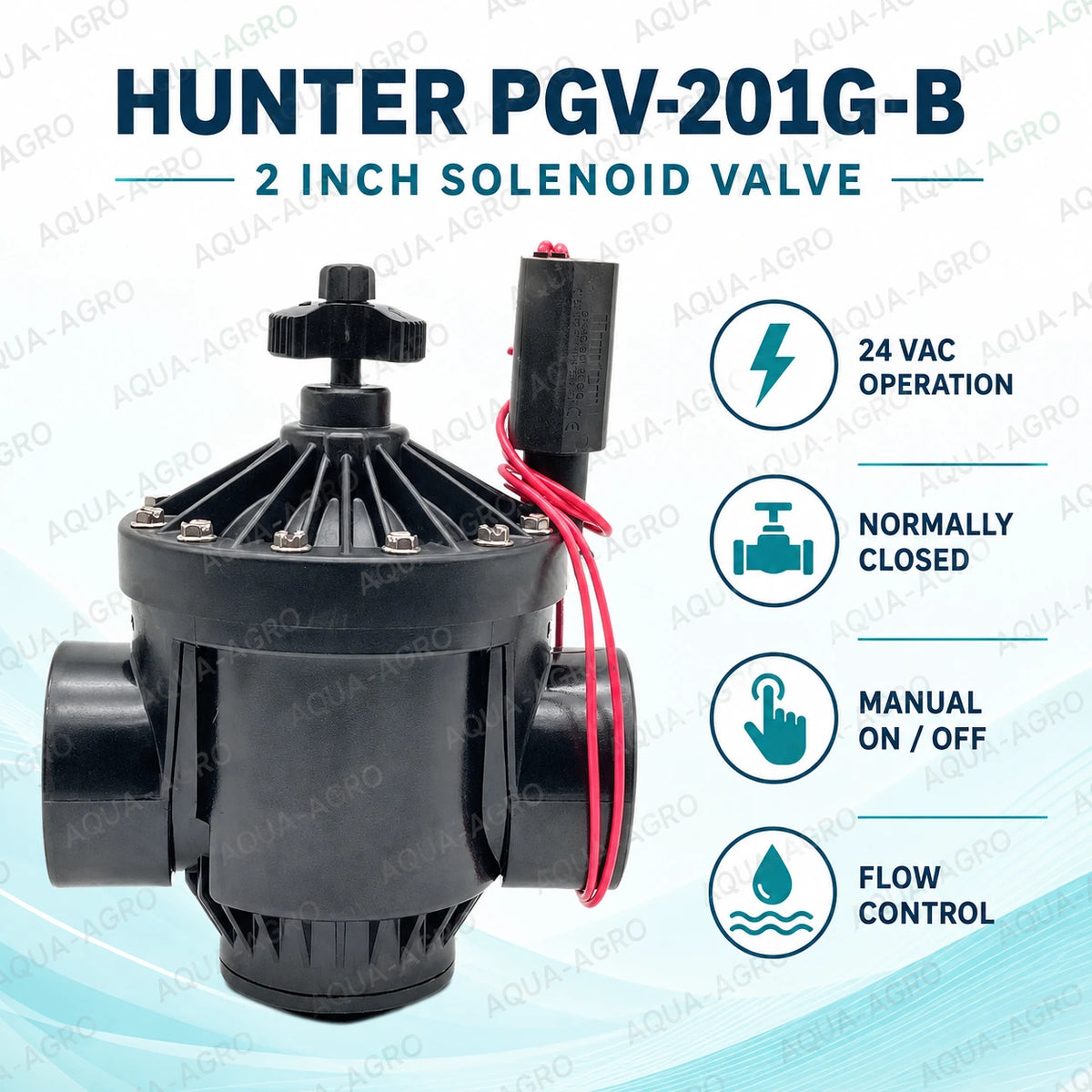
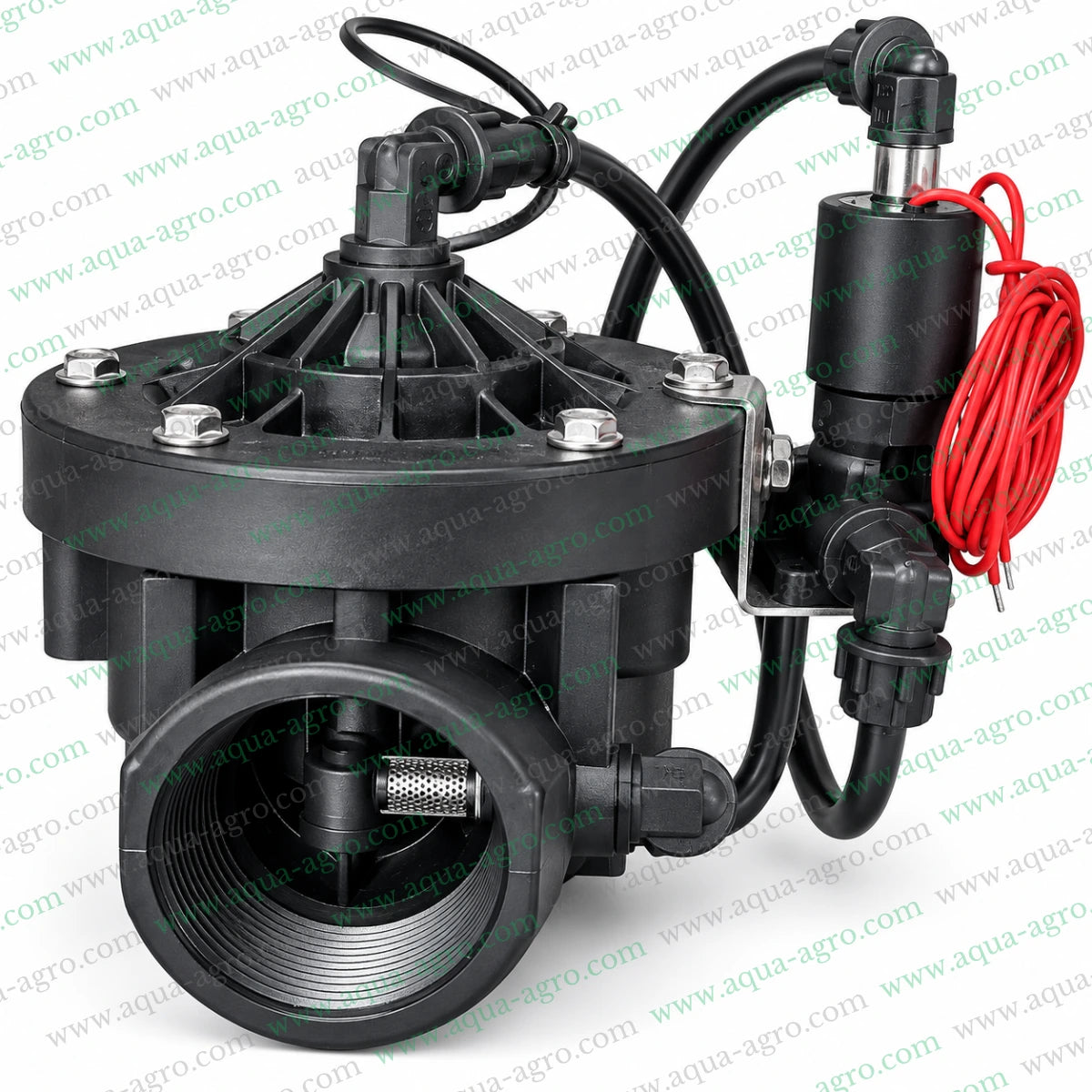
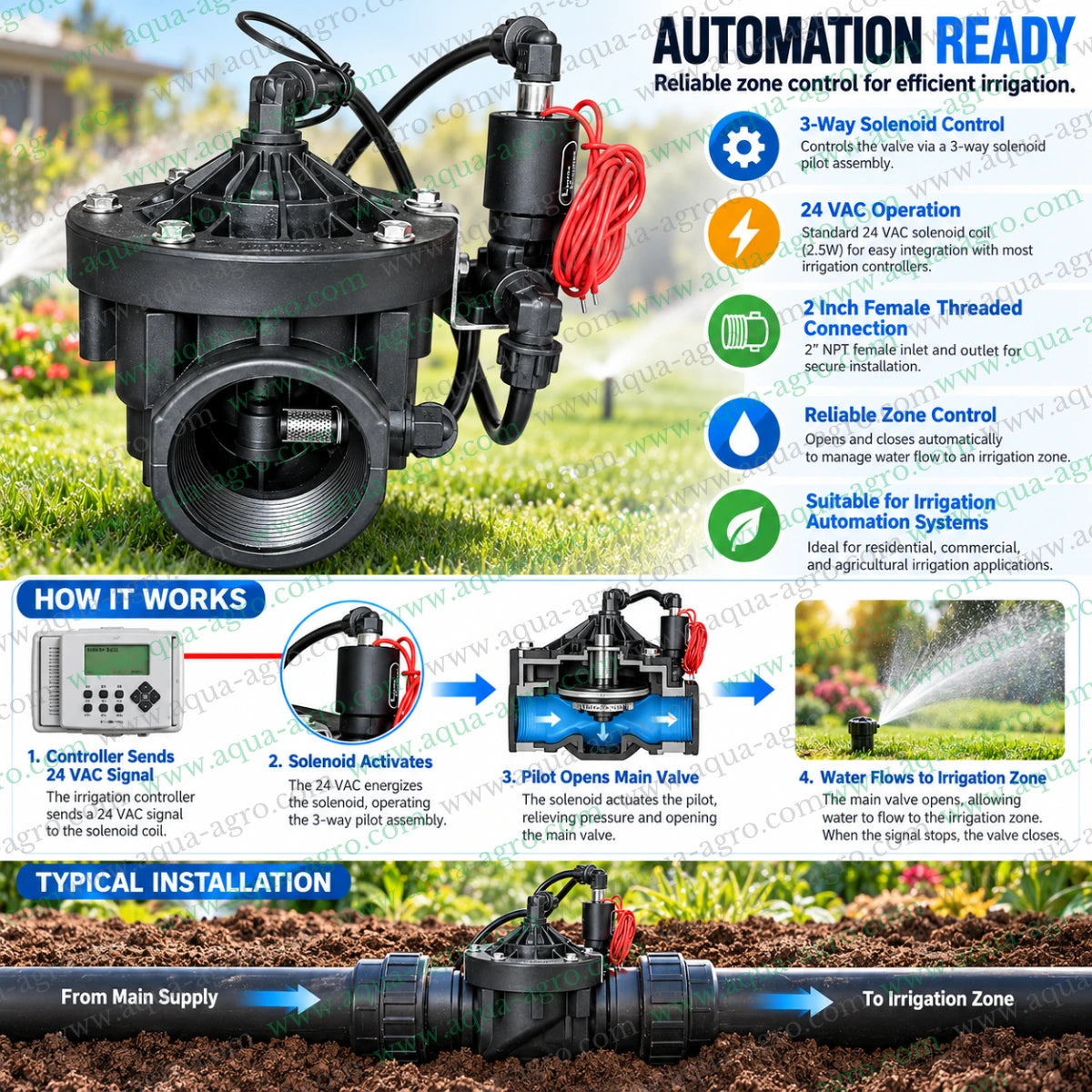
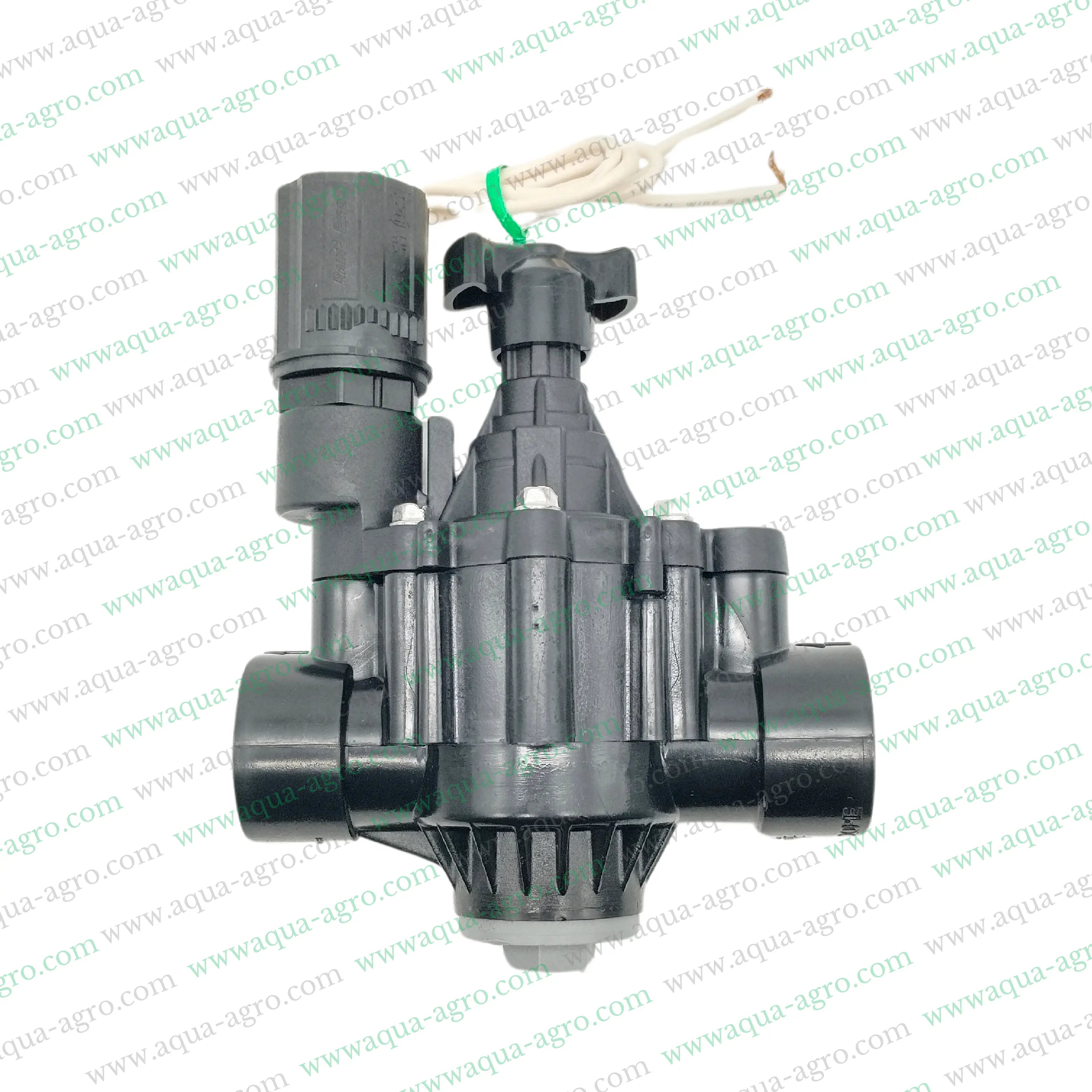
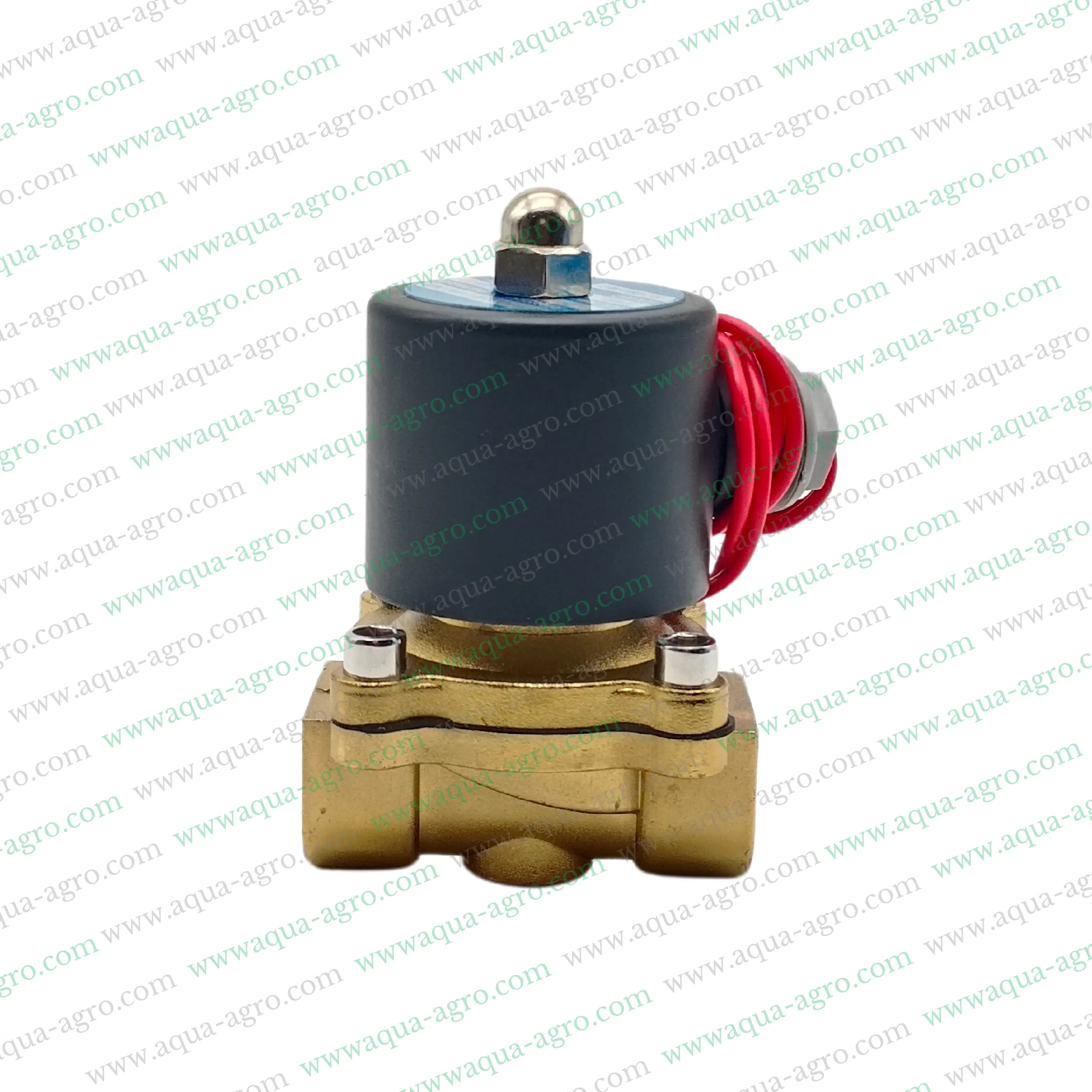
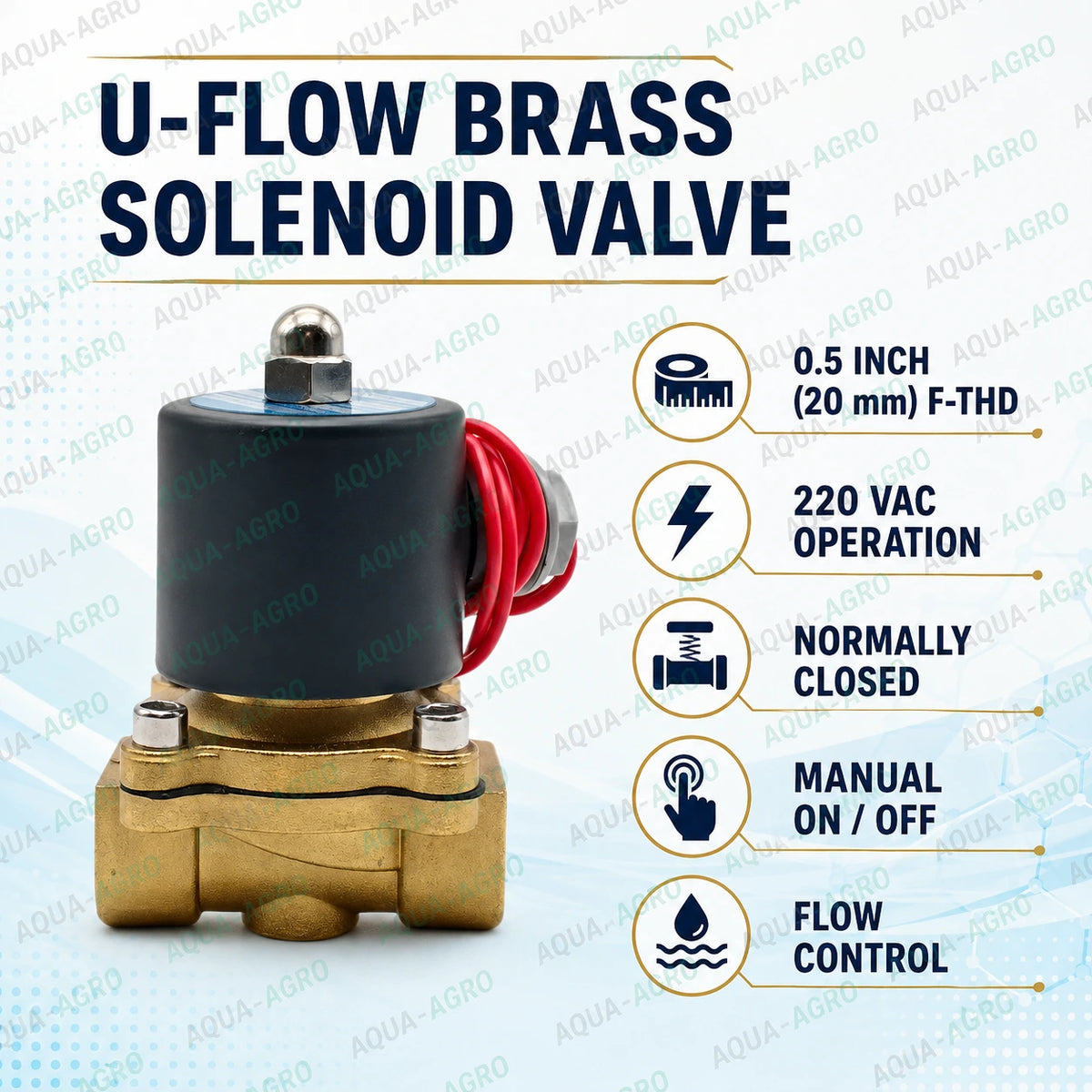
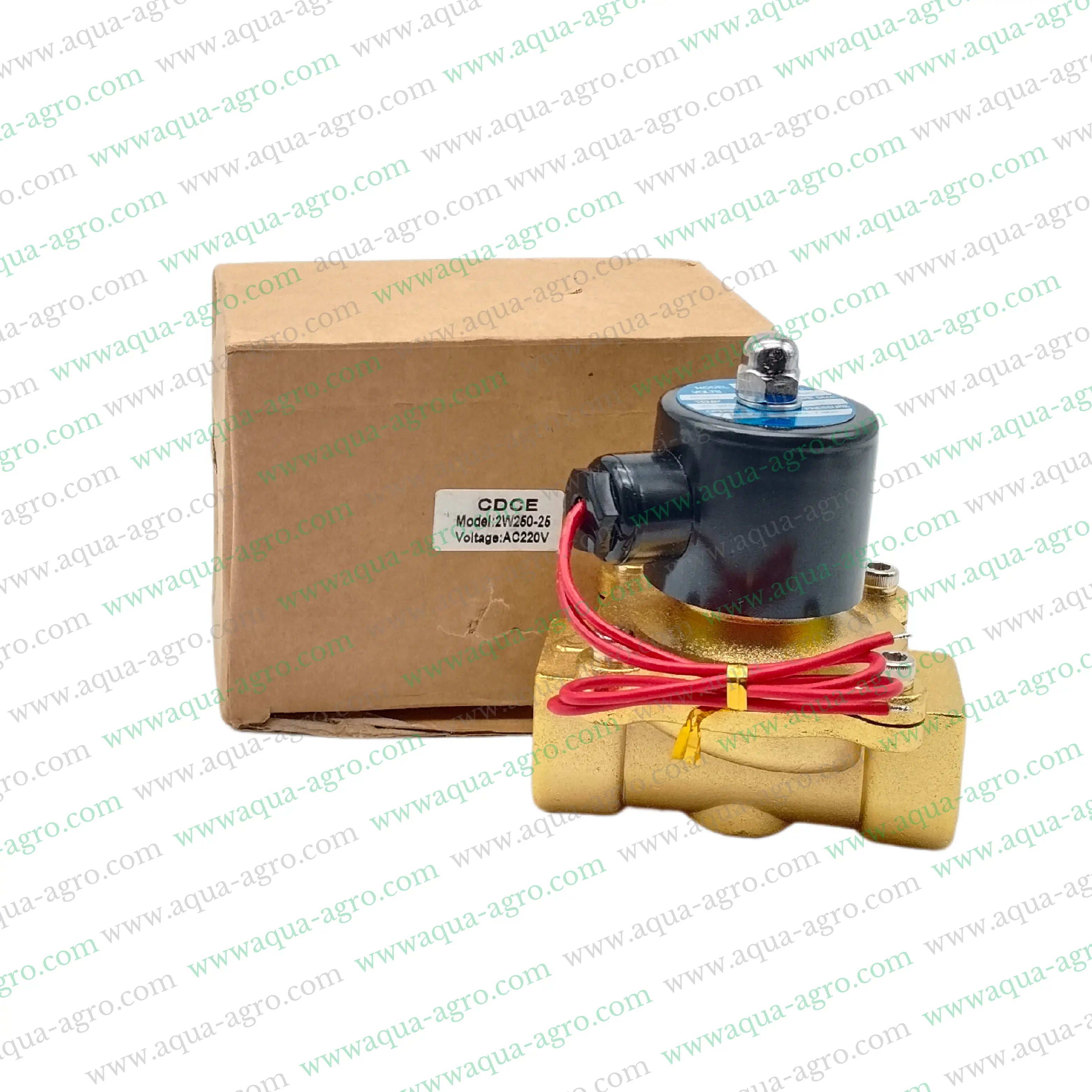
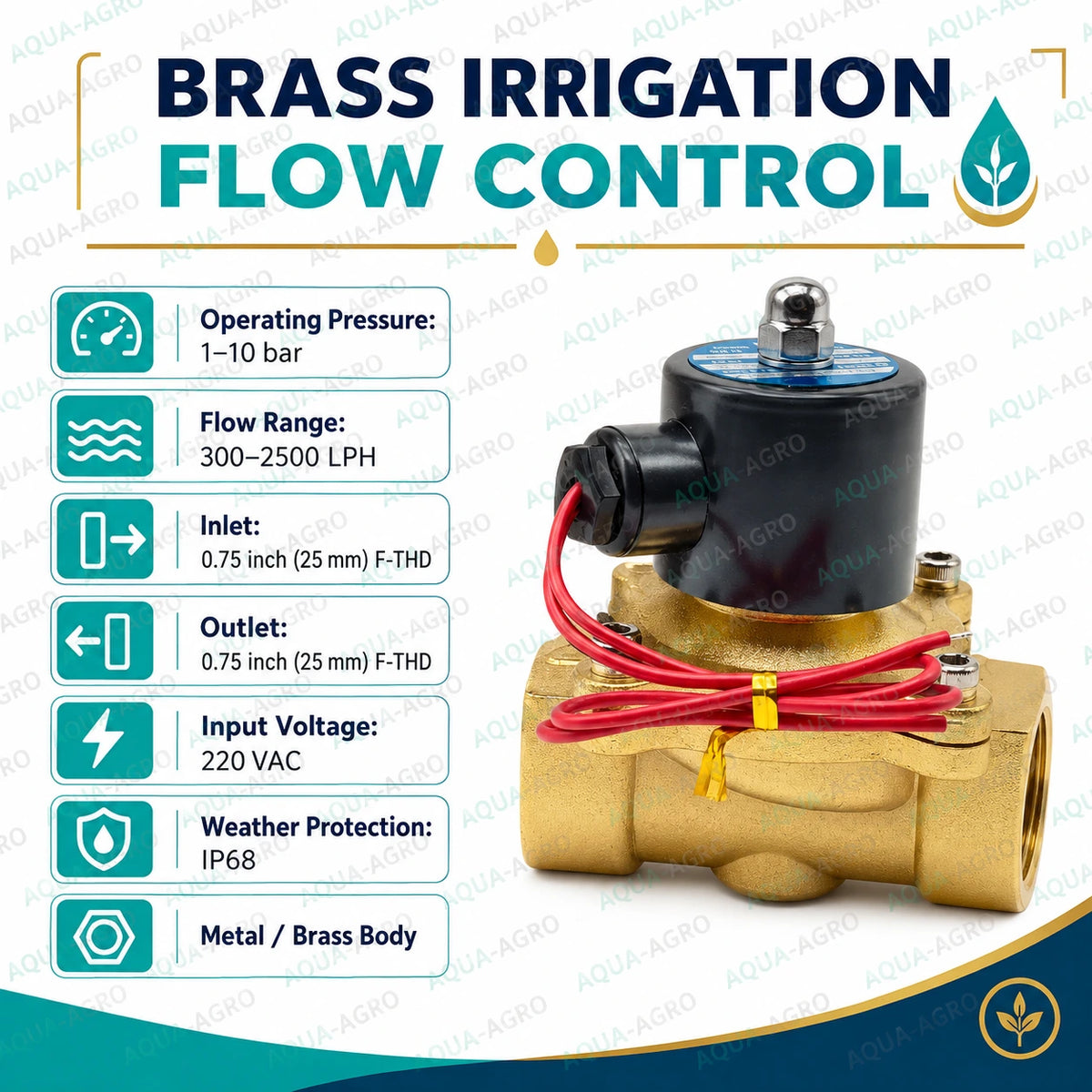
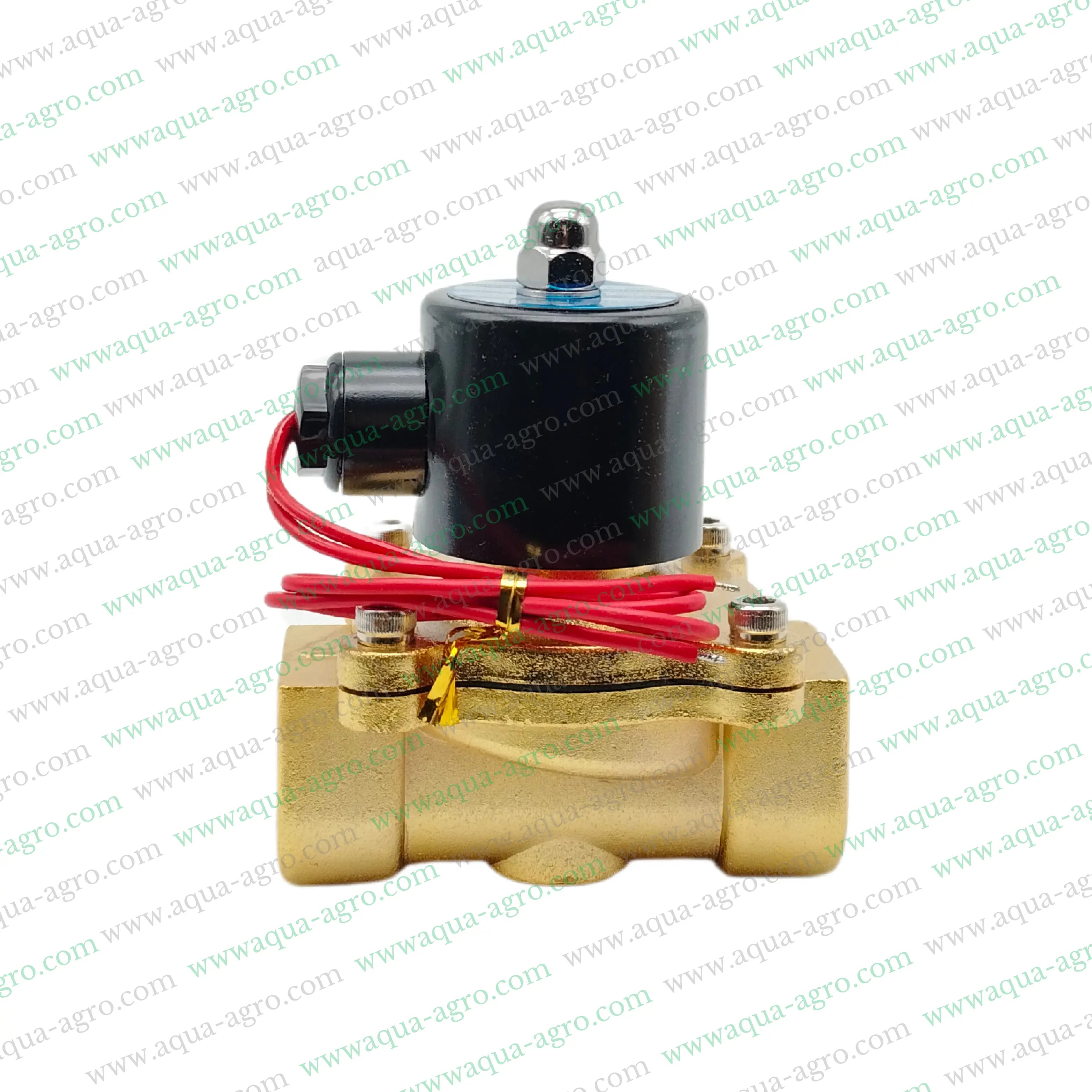
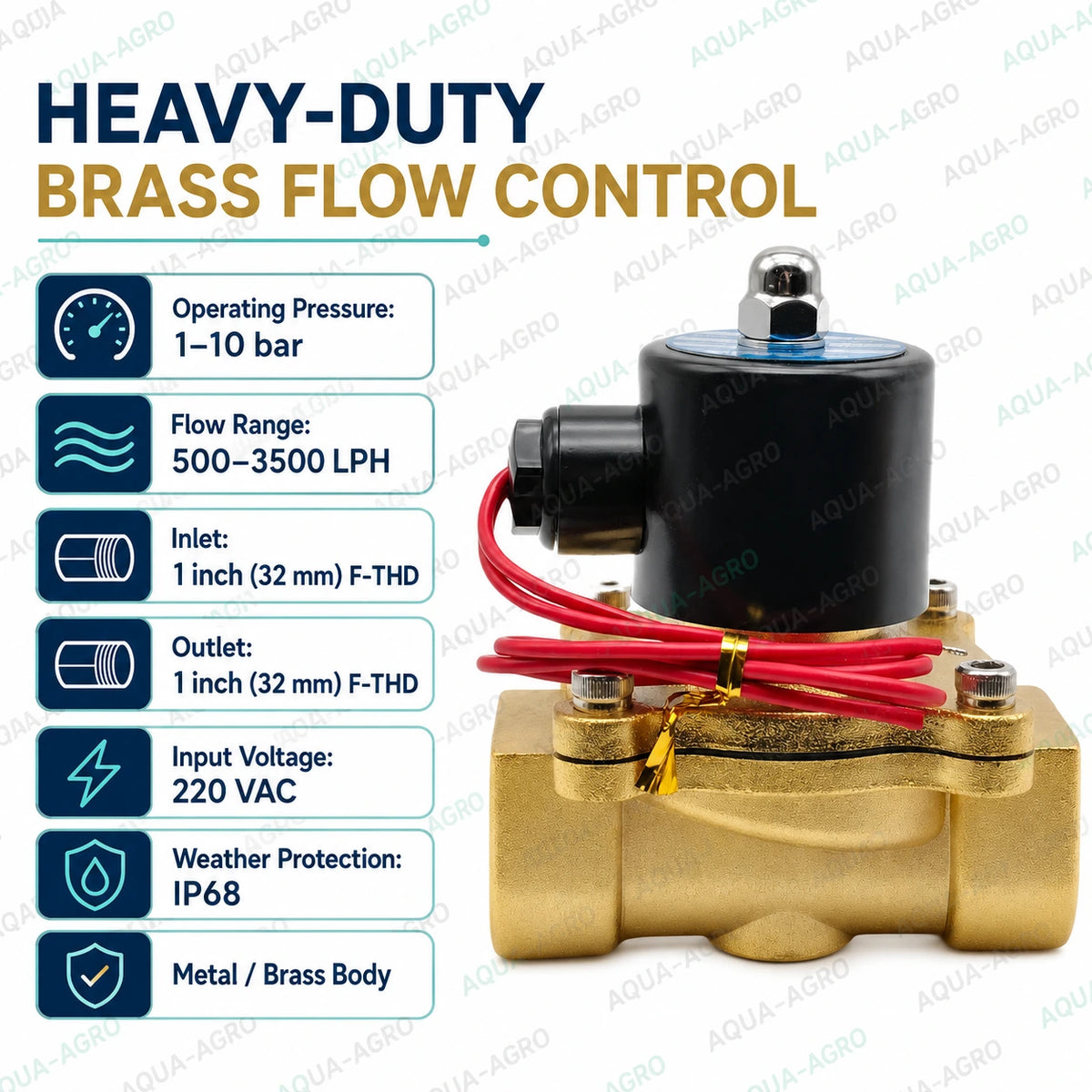
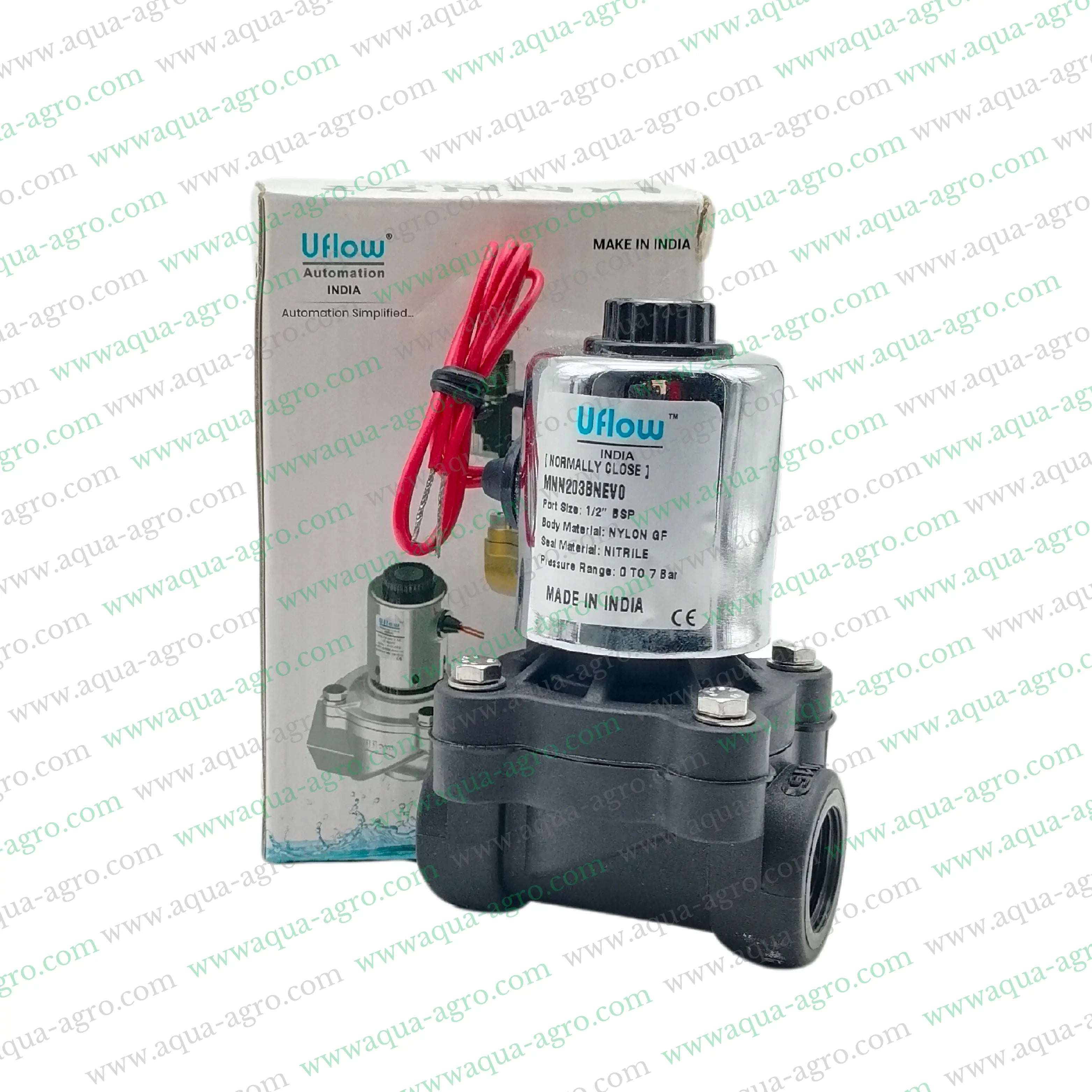
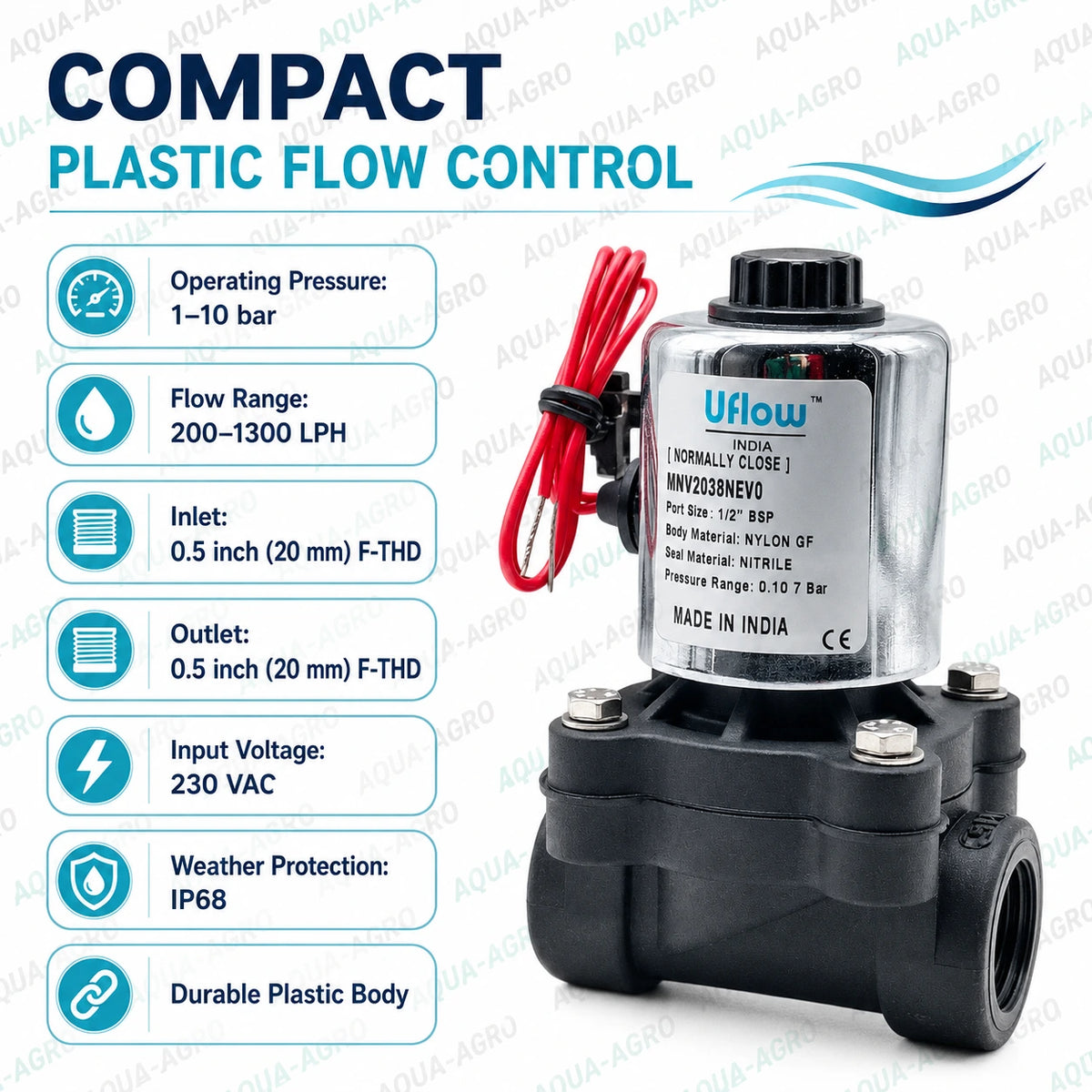
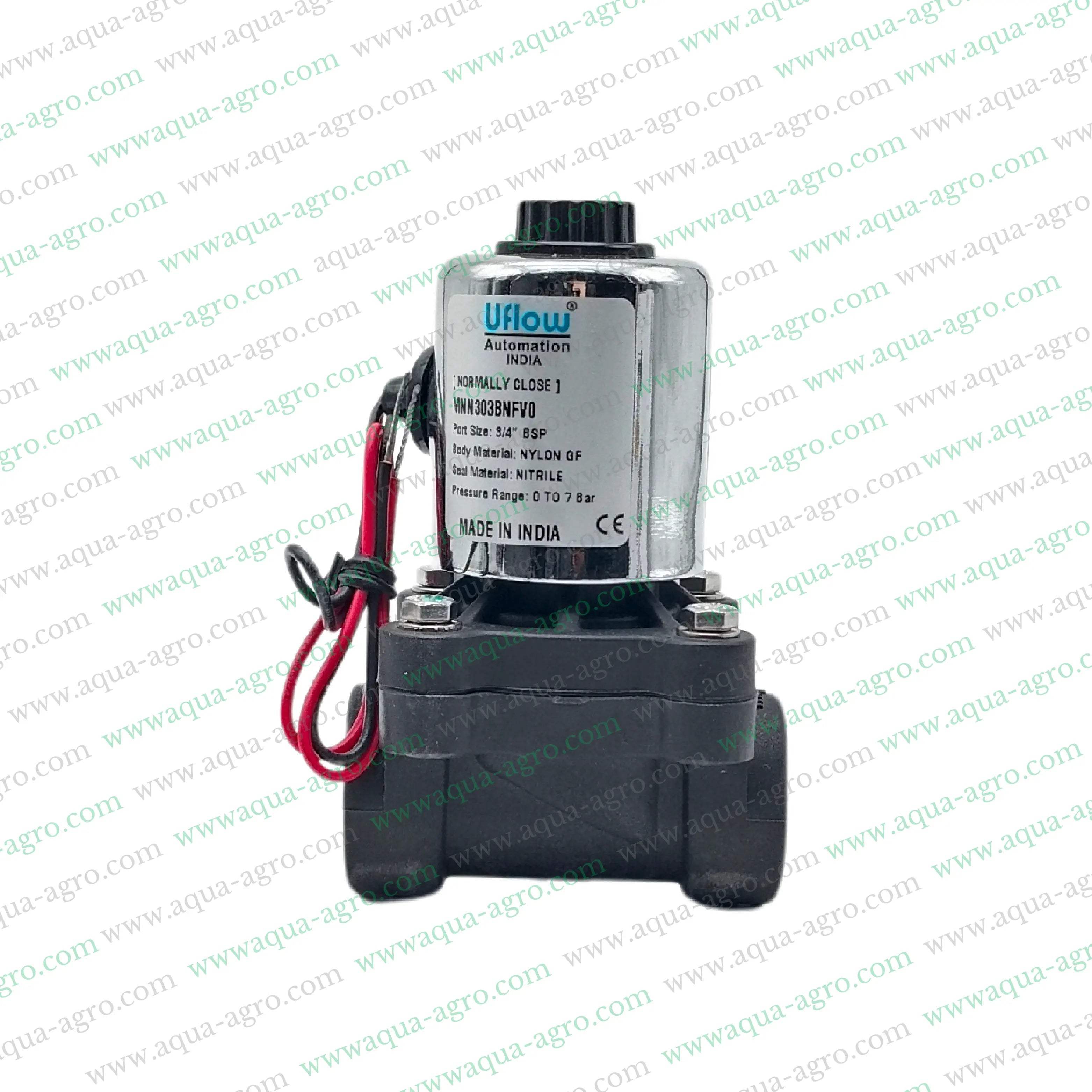
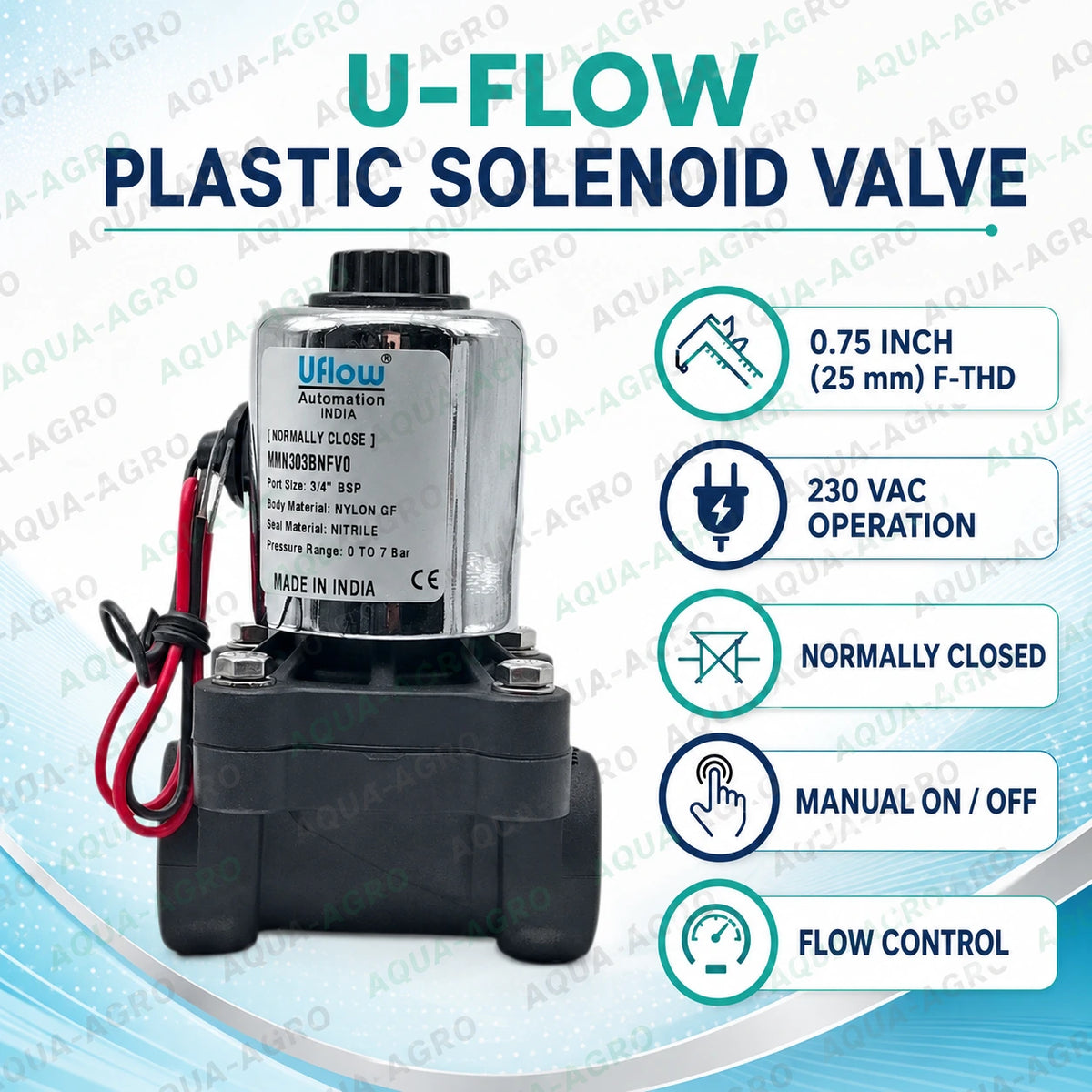
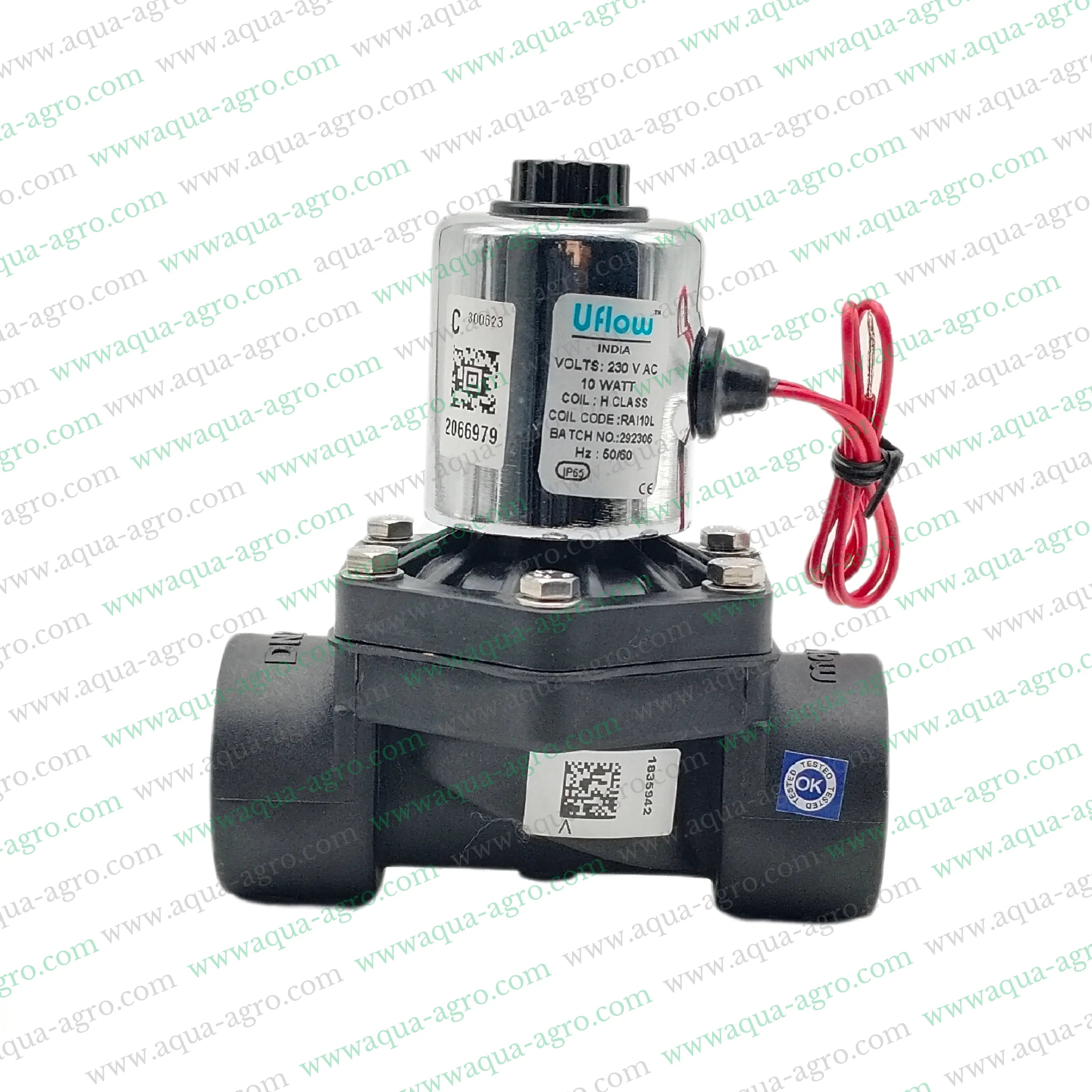
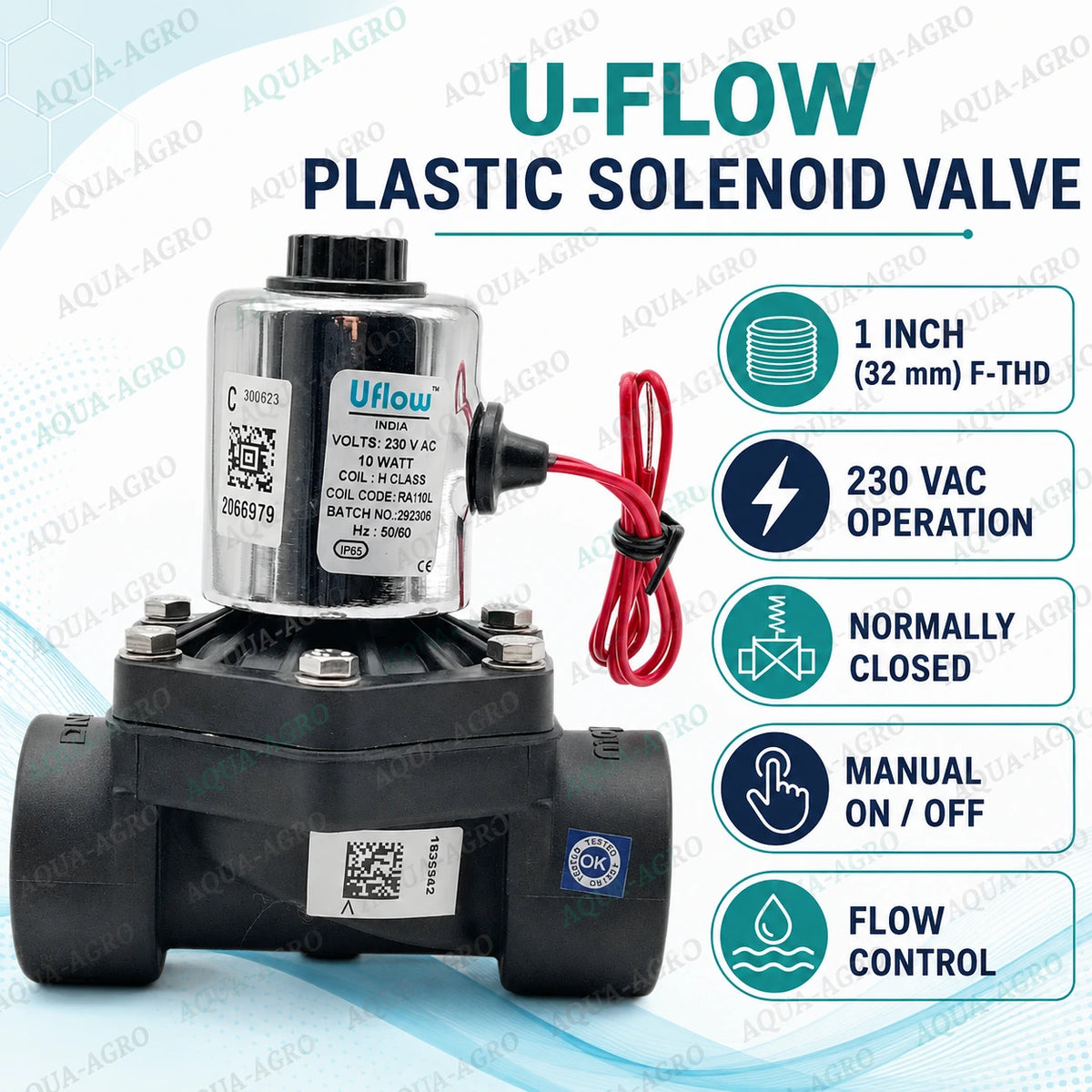
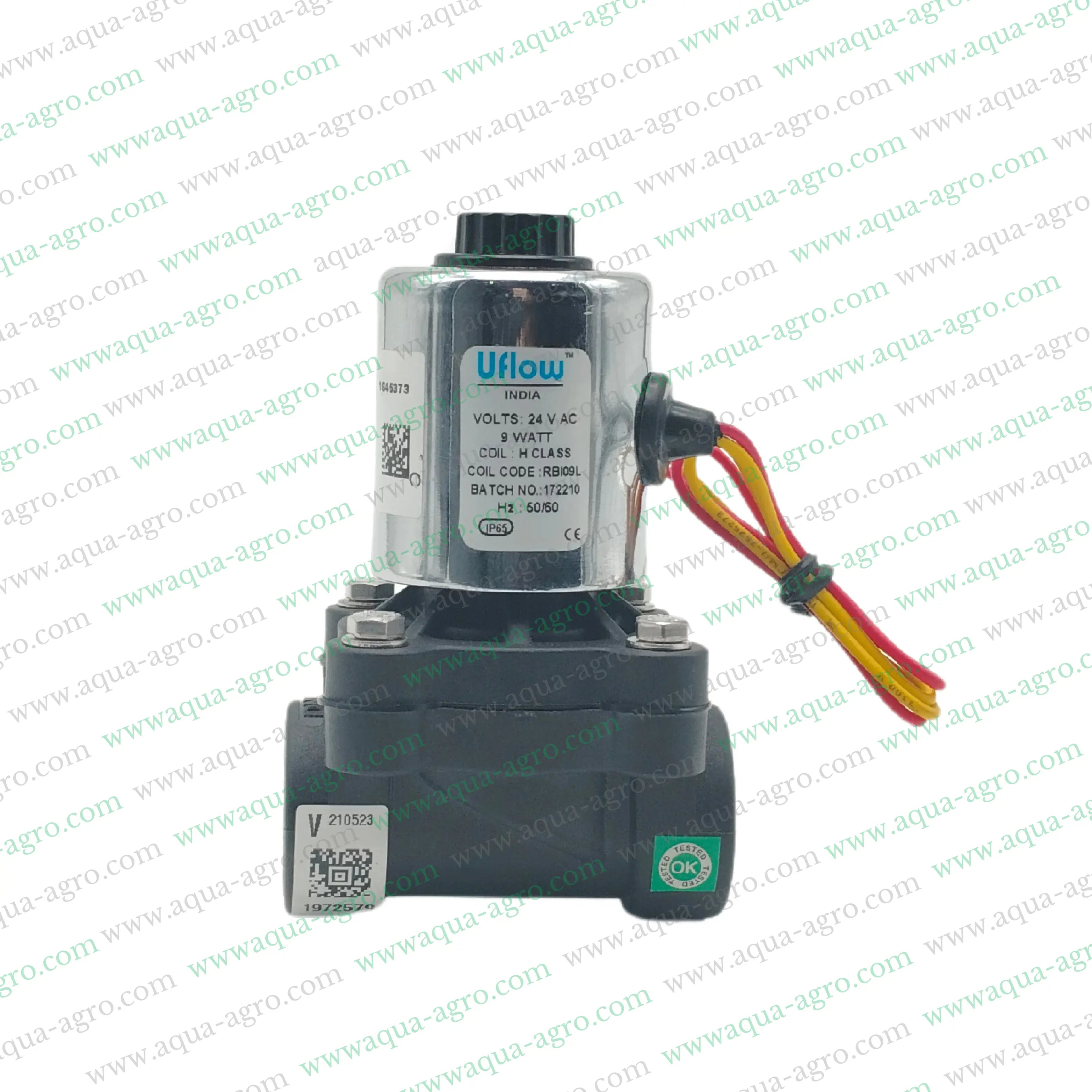
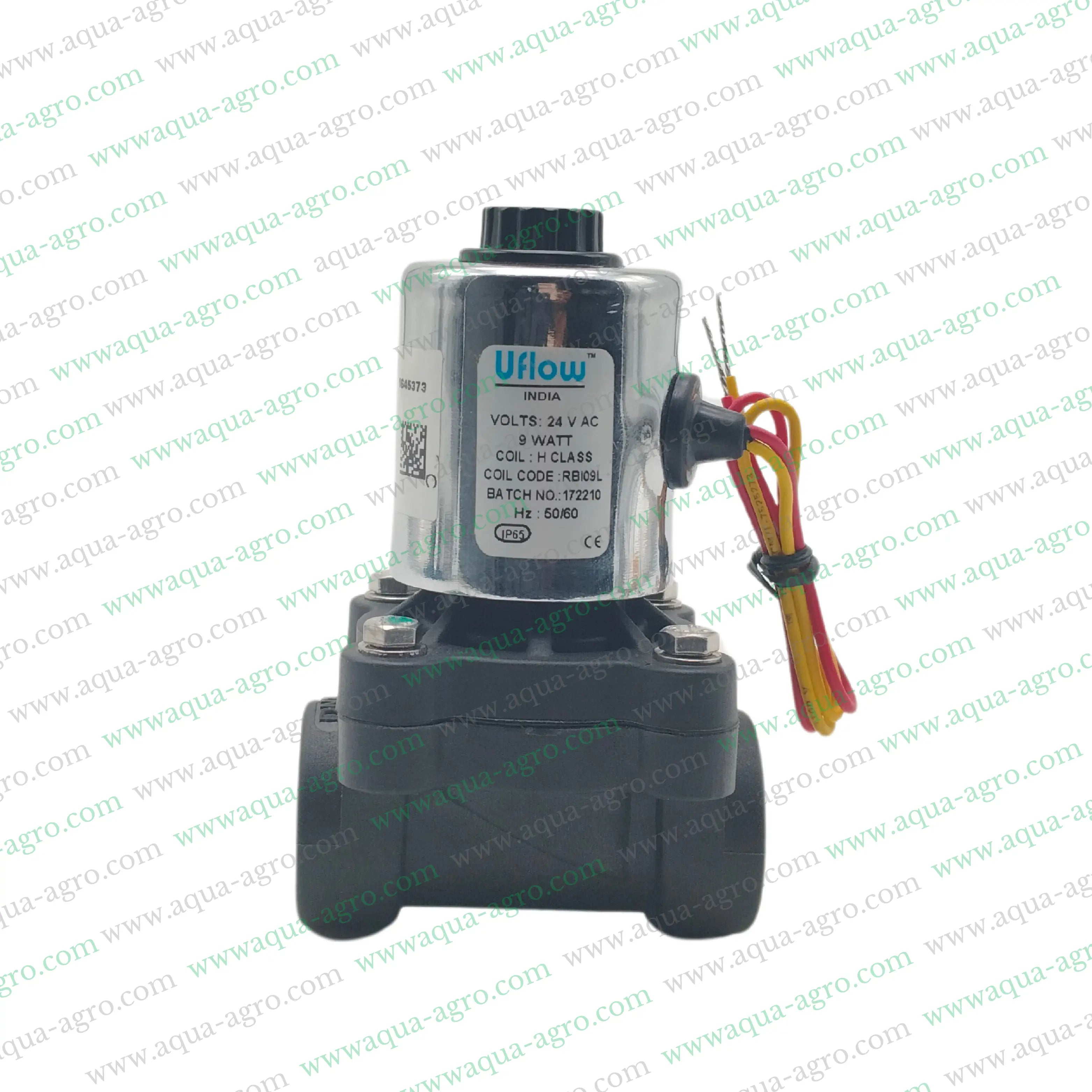
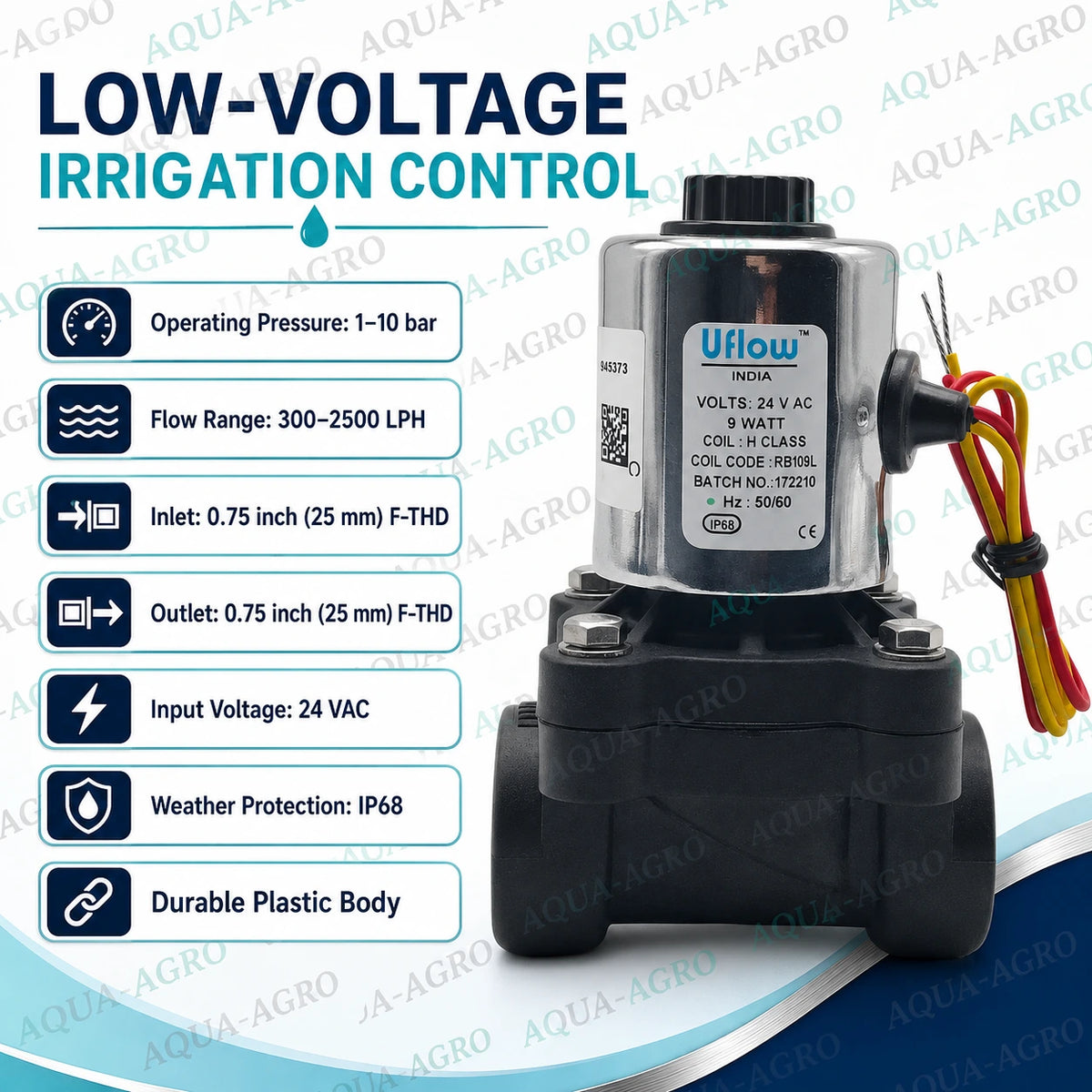
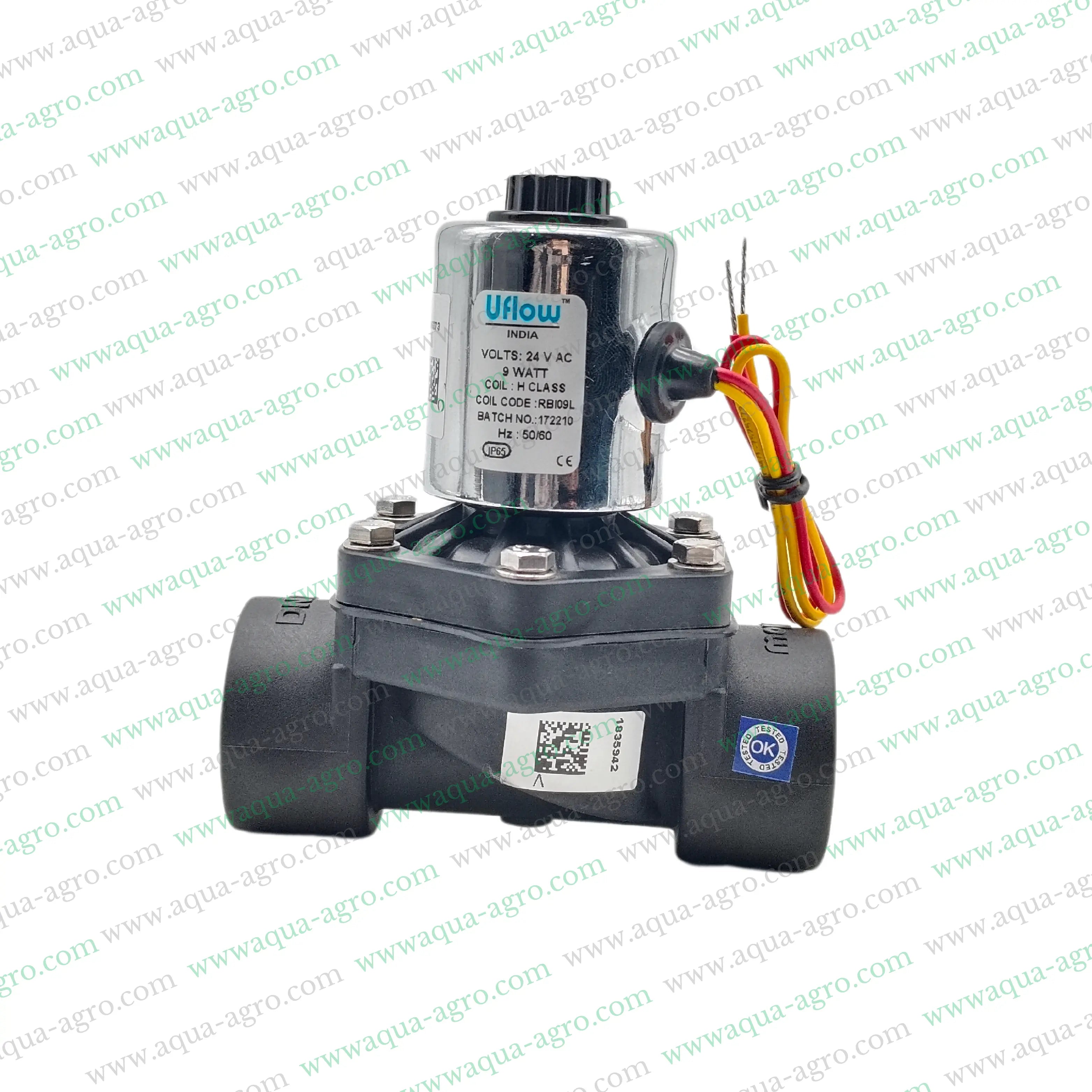
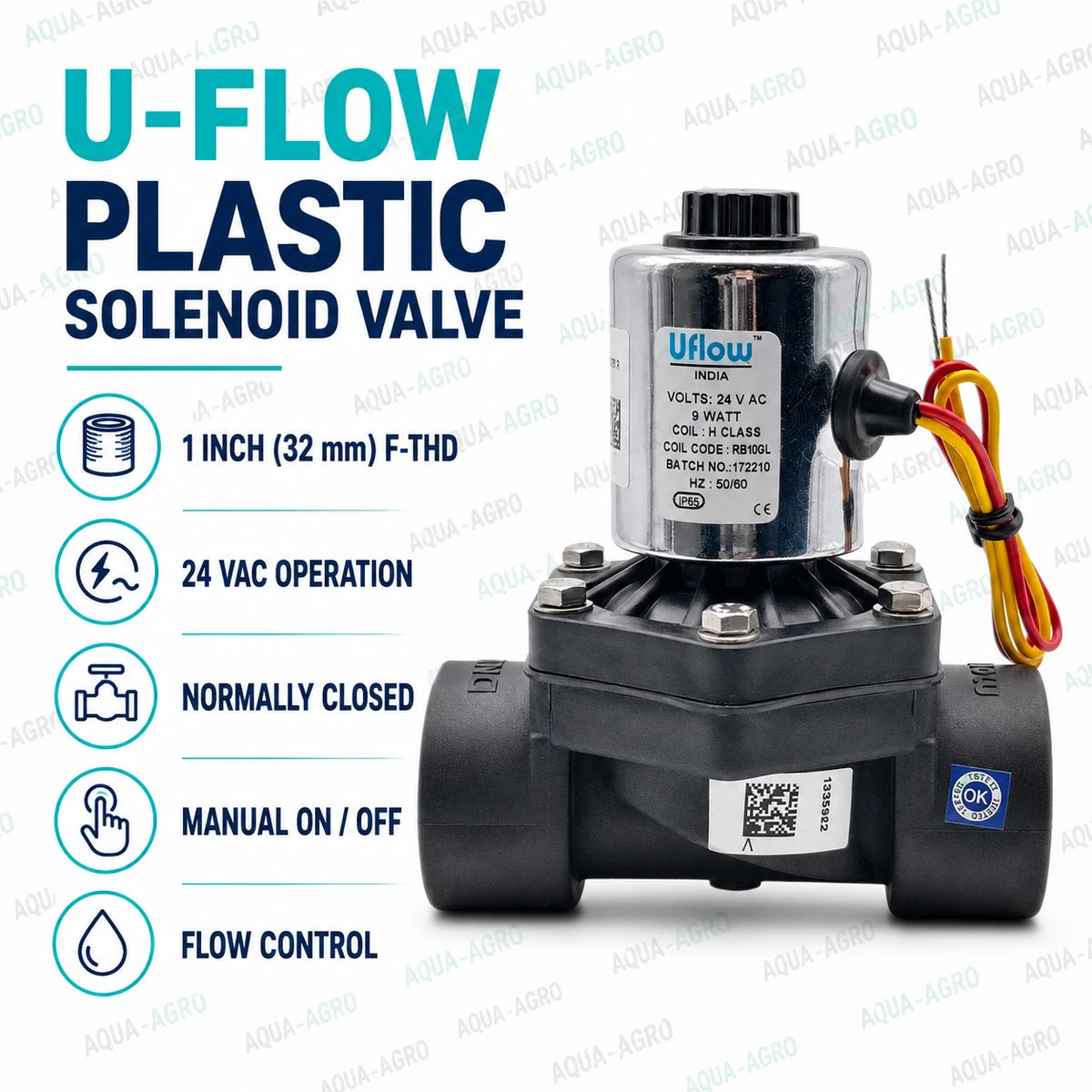
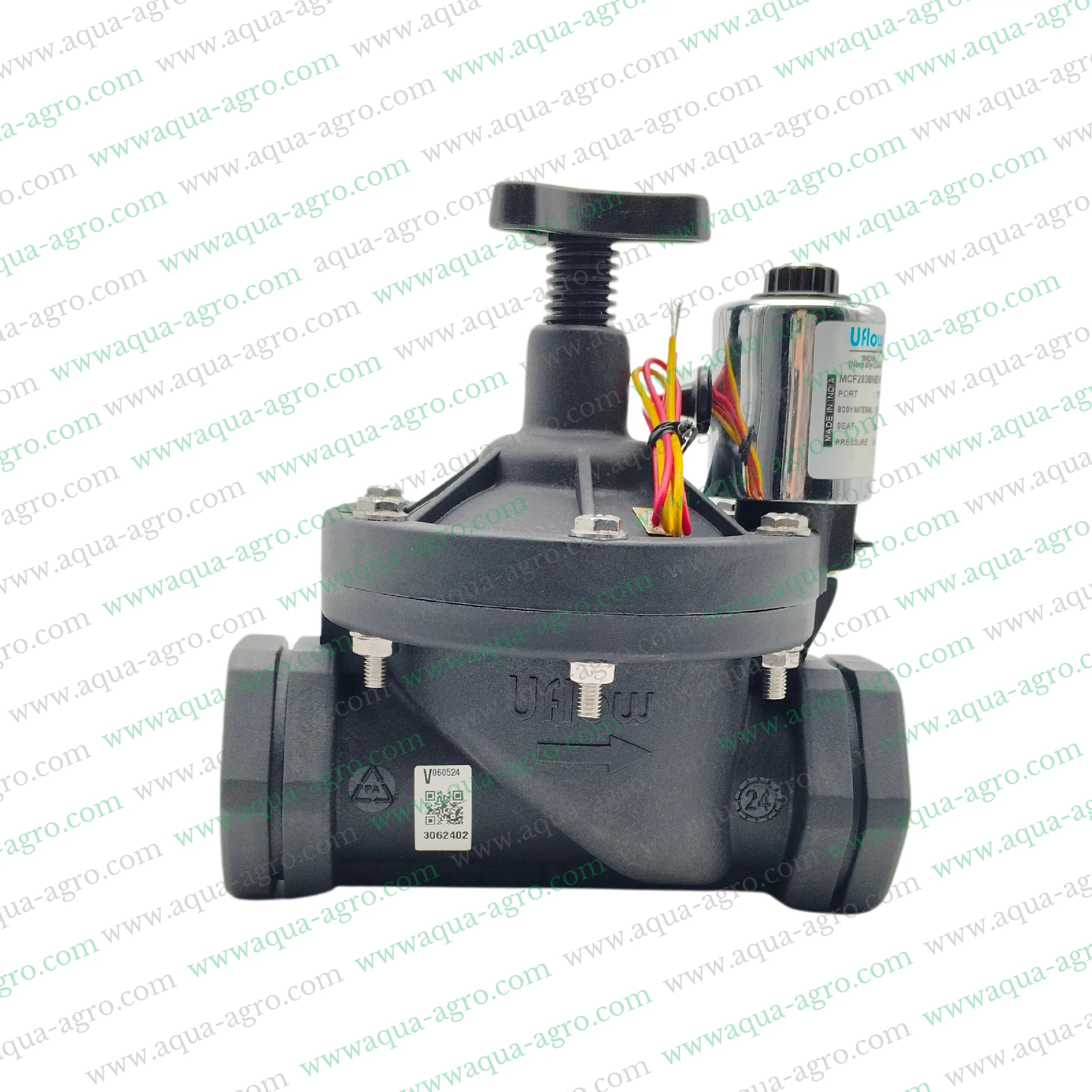
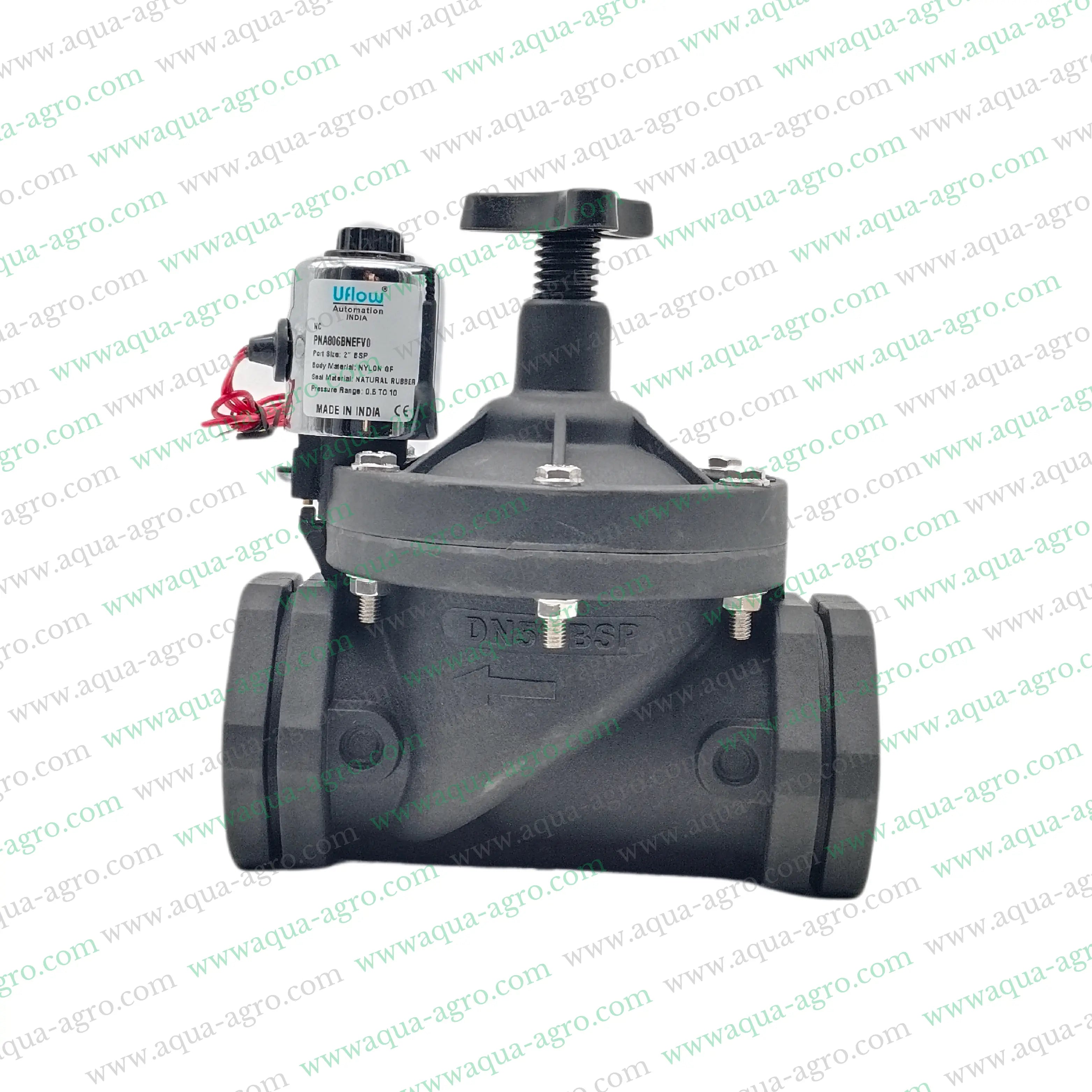
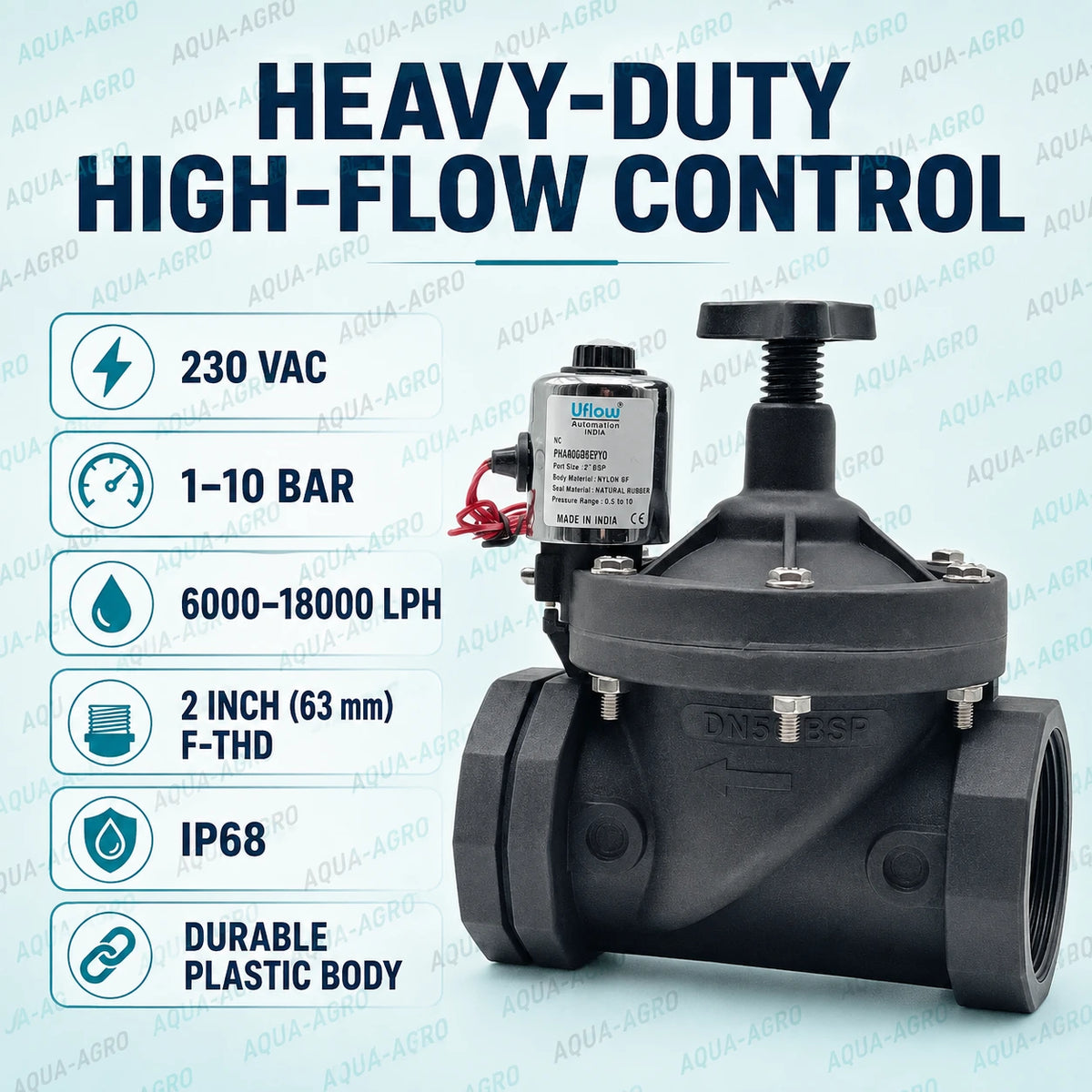
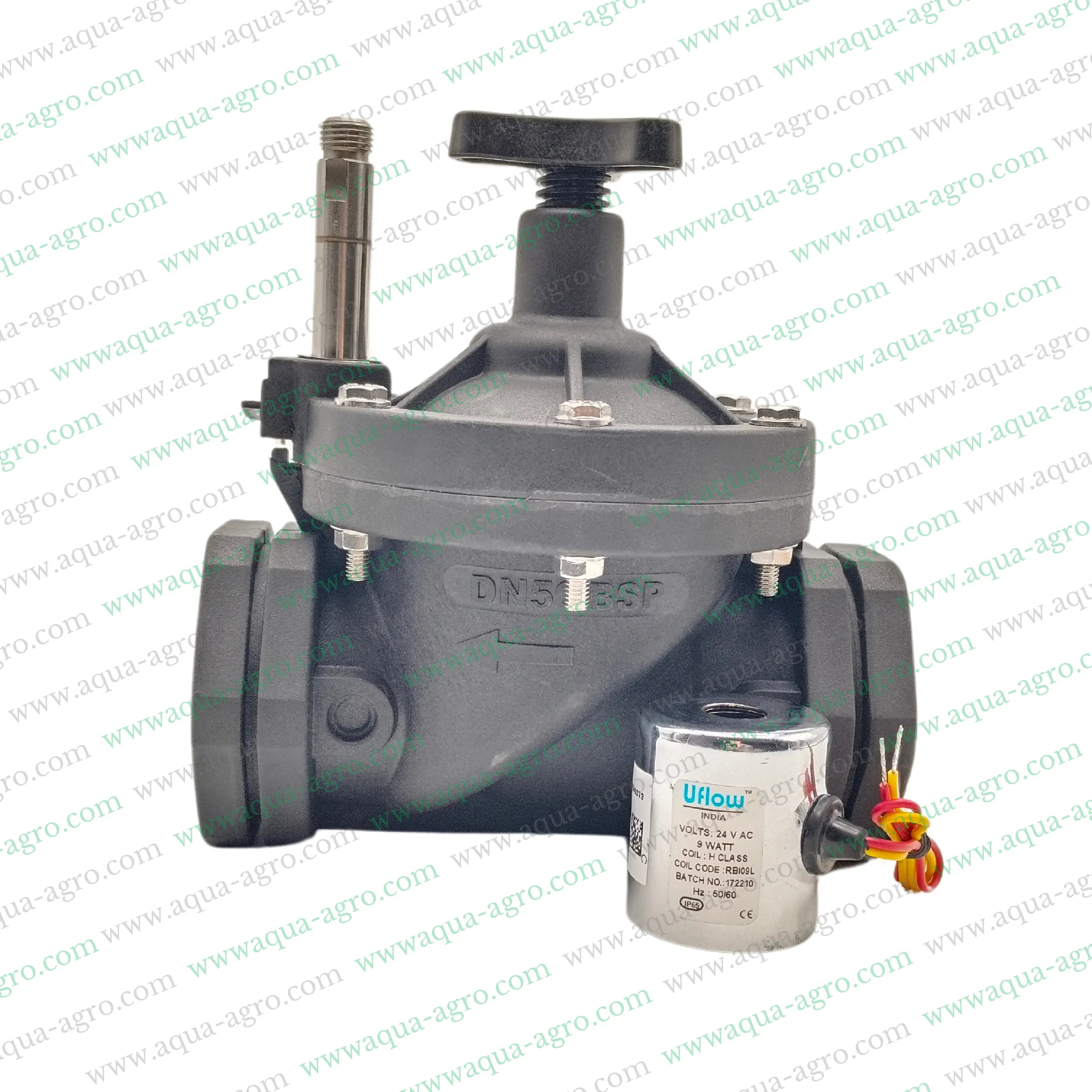
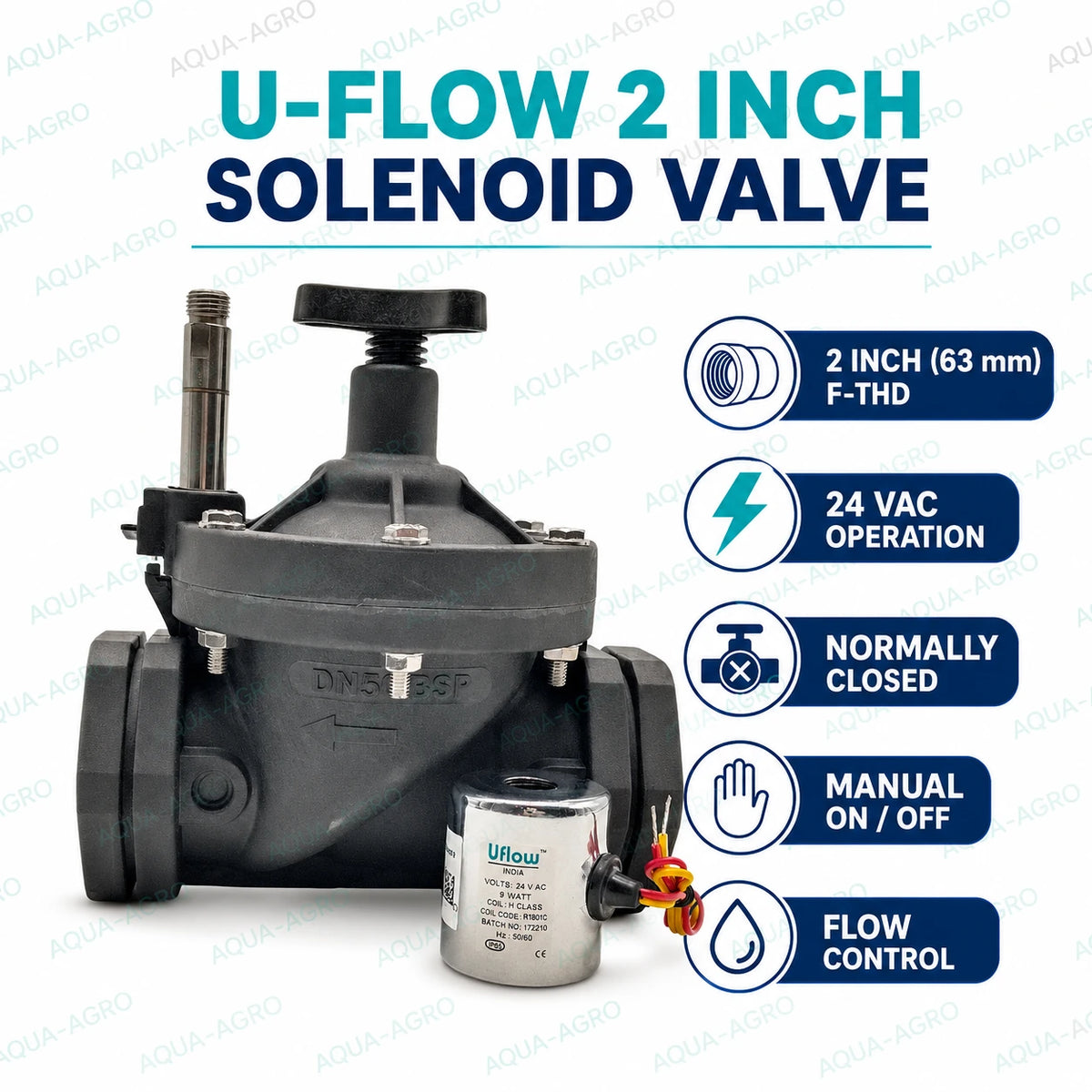
A solenoid valve’s job is to manage the flow of gases or liquids in a system. There is an electromagnetic coil that takes an electric current and uses it to open or close the valve.
It works by itself. Modern systems need solenoid valves because they accurately and efficiently control the flow of gas or liquids. A lot of people use them in watering systems, home products, and factories.
Importance of solenoid valves in automation
It is very important to have solenoid valves for devices that move liquids like water. They are an important part of current technology because they work quickly and very well. Such a system makes sure fluids are managed correctly in many different systems. They are used in homes, factories, or for irrigation.
Solenoid valve working principle and types
How does a solenoid valve work?
There is an electromagnetic coil inside every solenoid valve. This creates a magnetic field around it when it is turned on. A plunger inside a solenoid valve is moved by this magnetic field. The plunger can open or stop the valve. This lets you fine-tune how much water or other fluids flow through watering systems. This is a great option for when you want to automate watering your land.
Types of solenoid valves explained
- By opening or stopping a single path, a two-way valve controls the flow of fluids. This makes it perfect for simple on/off tasks.
- Three-way valves give you more options because they can change the flow from one input to multiple outputs or back again. This is helpful in systems that change a lot.
- Four-way valves, on the other hand, are very specialised. You can usually find them in complex hydraulic systems. They are used to control the flow of fluid in more than one direction. This helps support complicated machinery and advanced processes.
DC latching solenoid valve
Design that saves energy: DC locking solenoid valves only need a short burst of power to open or close, which means they use less power.
It's perfect for rural places. Great for watering systems in places where power is hard to come by or not available at all.
Systems that run on batteries or the sun: They are eco-friendly because they work well with battery- or solar-powered systems.
Water that flows reliably: Makes sure that watering systems have a steady flow of water.
This is great for smart systems: A popular choice for modern, eco-friendly watering and sprinkler systems that work on their own.
Applications of solenoid valves in irrigation and beyond
Solenoid valves in automatic irrigation systems
- Effectively distributing water: solenoid irrigation gates automatically deliver water, making sure that areas and plants get it at the right times.
- Sensor and timer integration: These valves work with sensors and timers to water plants precisely, which cuts down on waste and helps them grow healthy.
- They are needed for automatic watering systems to work consistently and efficiently.
Hydraulic applications of solenoid valves
Solenoid valves exactly control the movement of fluids in hydraulic systems. This makes them useful for many tasks, like managing the movement of motors or directing the flow of fluids between different parts of the system.
Hydraulic control valves:
When it comes to hydraulic systems, hydraulic control valves are better because they can handle both flow and pressure. They make sure the system works easily and at its best by controlling these two factors. Excessive pressure or flow can damage parts if they become uncontrollable.
Hydraulic flow control valves:
Hydraulic flow control valves let you make small changes to fluid flow rates, which makes sure that sensitive machines or systems work correctly. In robotics, industrial automation, or any other high-precision machine where exact flow readings are needed, this is very important.
Hydraulic check valves:
Fluid can't move backwards through a hydraulic system because of hydraulic check valves. By making sure fluid only goes in one direction, these valves help the system work well. Another thing they do is keep the system from breaking and protect tools from damage caused by backpressure.
Automated irrigation systems
What is an automatic irrigation system?
A smart way to move water is with an automatic watering system. It uses sensors, timing, and solenoid valves to get water to plants and things without anyone having to do much.
These methods are made to work without any problems, and they give exact plans for how much water to use for a small farm or a large area.
Benefits of automatic watering systems for agriculture and gardens
- Makes sure plants get the right amount of water and don't get too much.
- The watering process is automatic, so it doesn't have to be watched and changed by hand all the time. This saves time and work.
- Spreads water out evenly, which helps plants grow well and regularly raises food yields.
Auto irrigation system vs. manual systems
When compared to traditional manual watering, automatic irrigation systems excel in several areas:
- Efficiency: Automated systems save water and labour, requiring less effort while achieving better results.
- Precision: These systems can be customised to suit the specific water requirements of different plants or crops.
- Scalability: Whether for small home gardens or large-scale agricultural fields, auto irrigation systems can be scaled to fit the area and needs effectively.
By adopting automated irrigation, users benefit from enhanced productivity, resource conservation, and healthier plants, making it a cornerstone of modern agricultural practices.
Irrigation automation
Role of solenoid valves in irrigation automation
Solenoid valves are the building blocks of automated watering systems. They make it possible for smart irrigation systems to work with them easily, which improves water management.
Advancements in irrigation automation in India
India has made extensive progress in automating irrigation by combining IoT and smart technologies with solenoid valves. This allows farmers to remotely control and monitor the distribution of water.
Features and benefits of automatic water irrigation systems
Automatic drip irrigation system
Solenoid valves, when combined with emitters in an automatic drip irrigation system, send water straight to the roots of plants in an automated manner. Farmers can schedule the supply of water, or the system can regulate supply based on whether conditions reduce waste and increase efficiency.
Auto water sprinkler systems
For bigger lawns and fields, auto water sprinkler systems use solenoid valves. This automatically sprinkles water on grass and fields, making sure that they get an even covering.
Choosing the right solenoid valve
Factors to consider: solenoid valve types and uses
When selecting a solenoid valve, consider factors such as:
- Material compatibility with the fluid being controlled.
- Pressure and flow rate requirements.
- Voltage type (AC or DC).
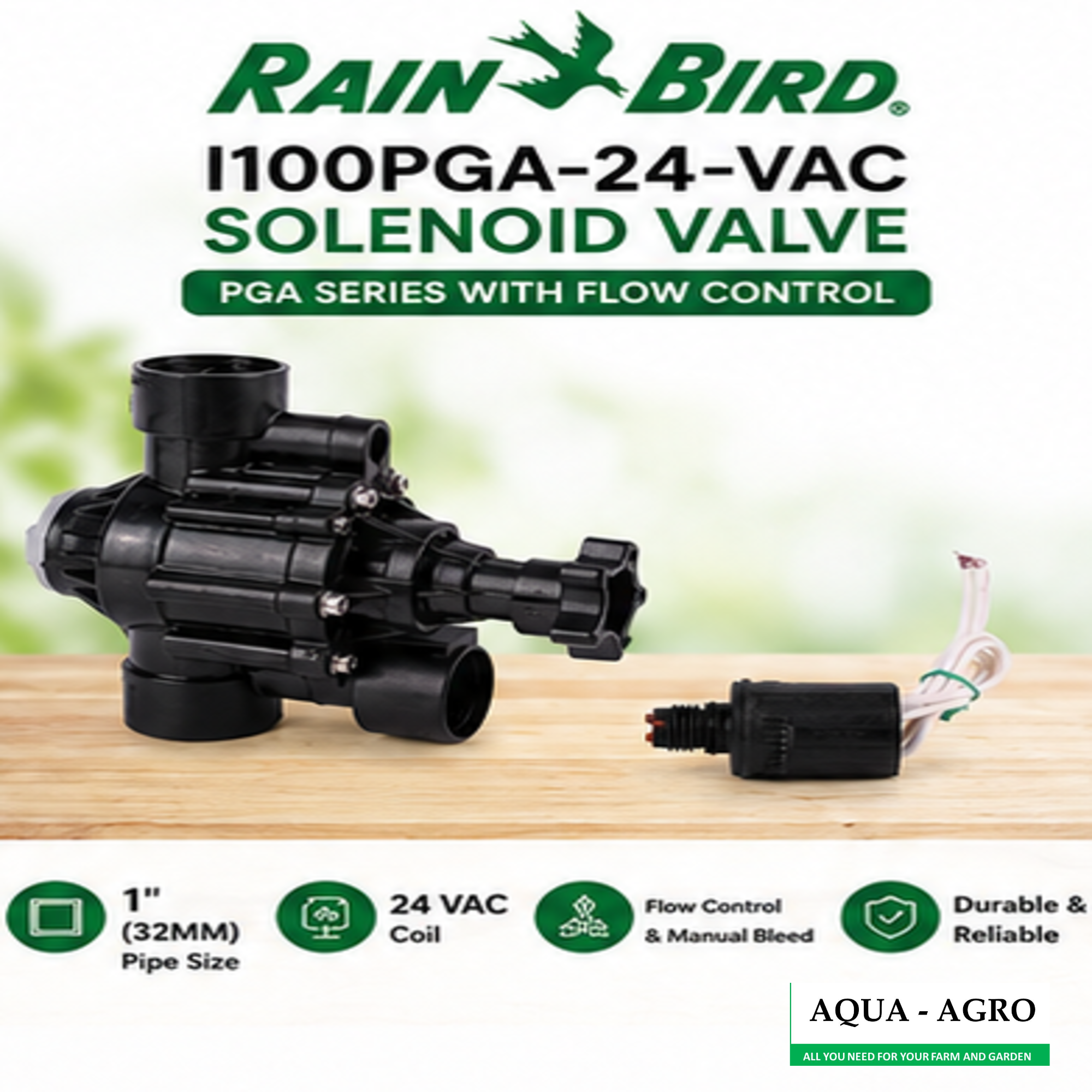
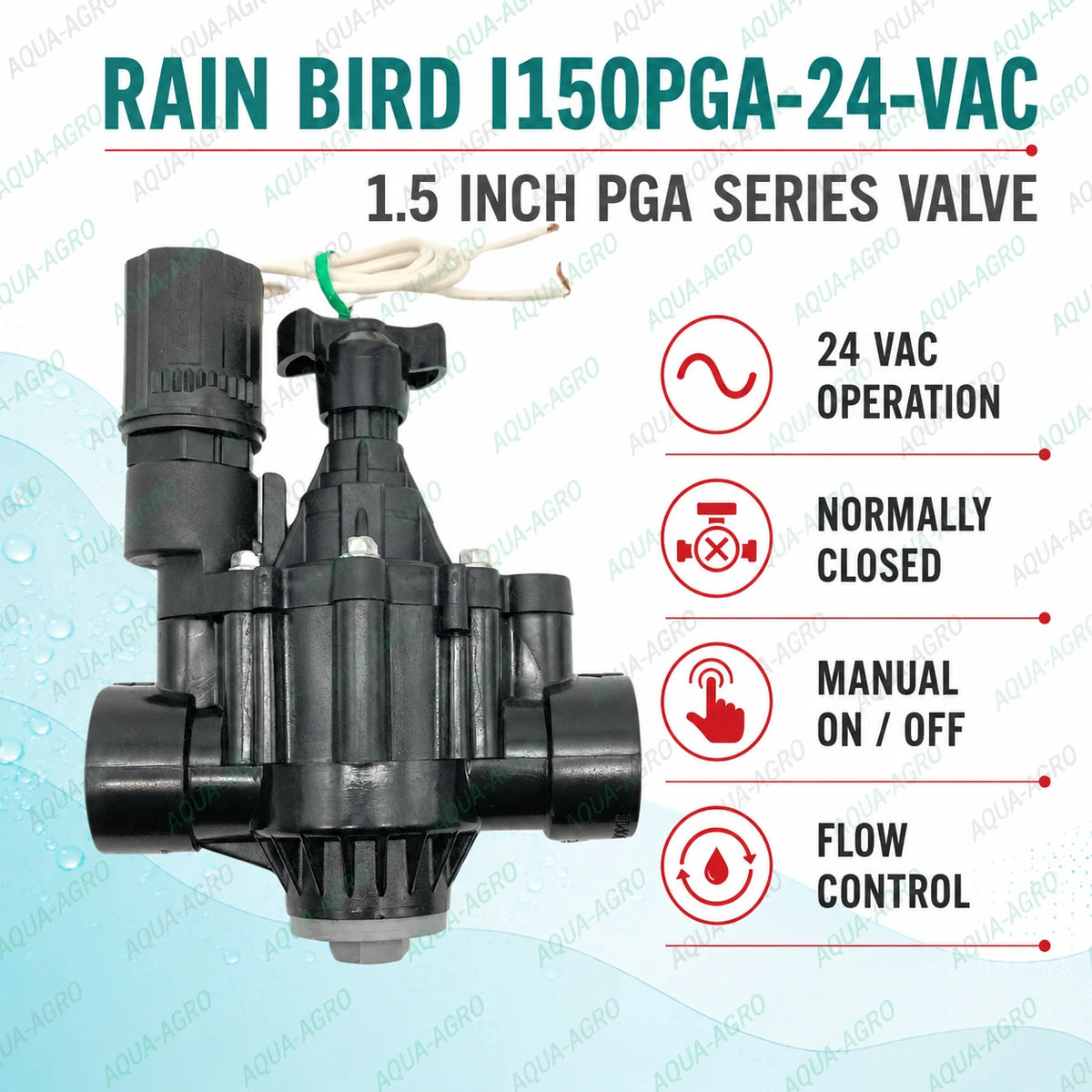
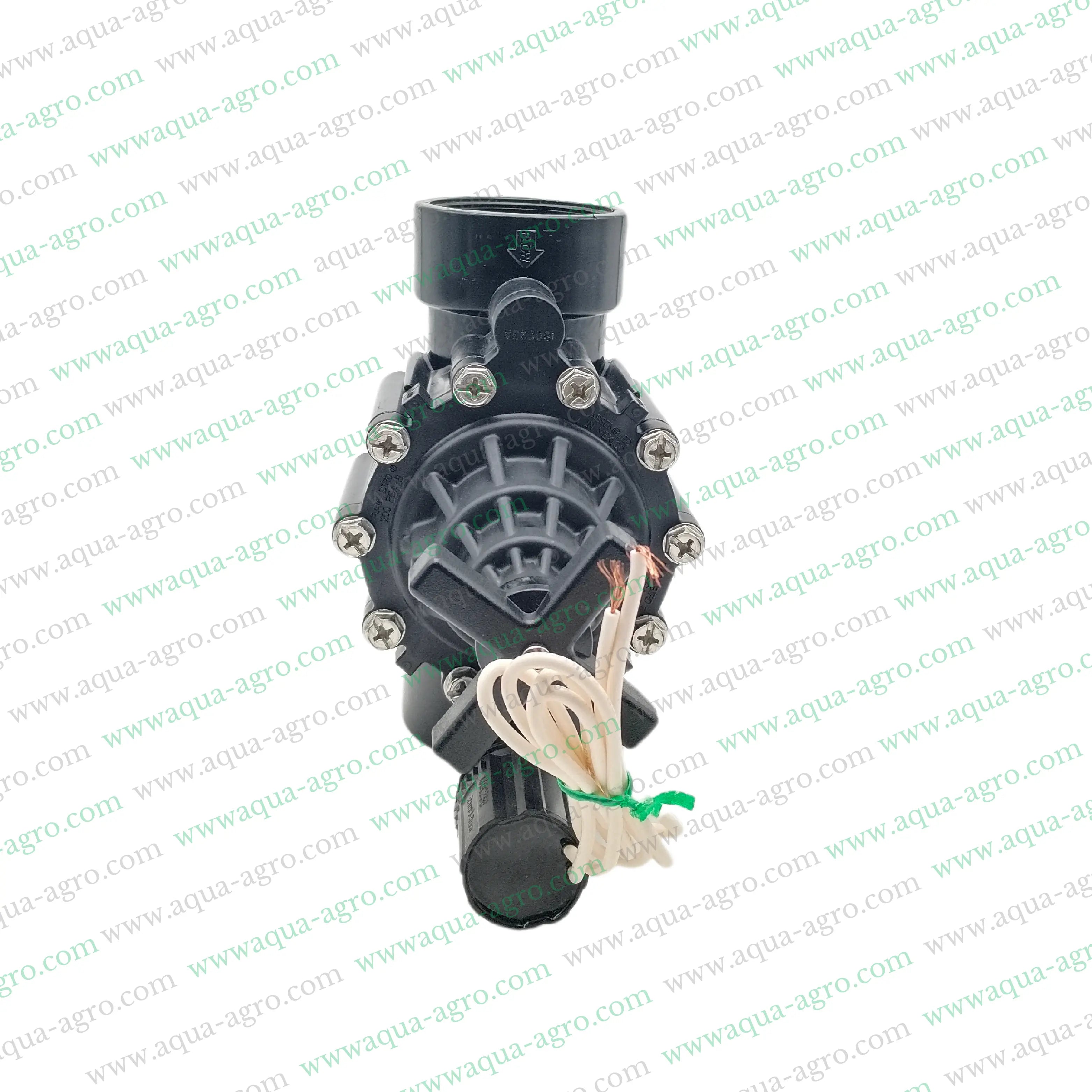
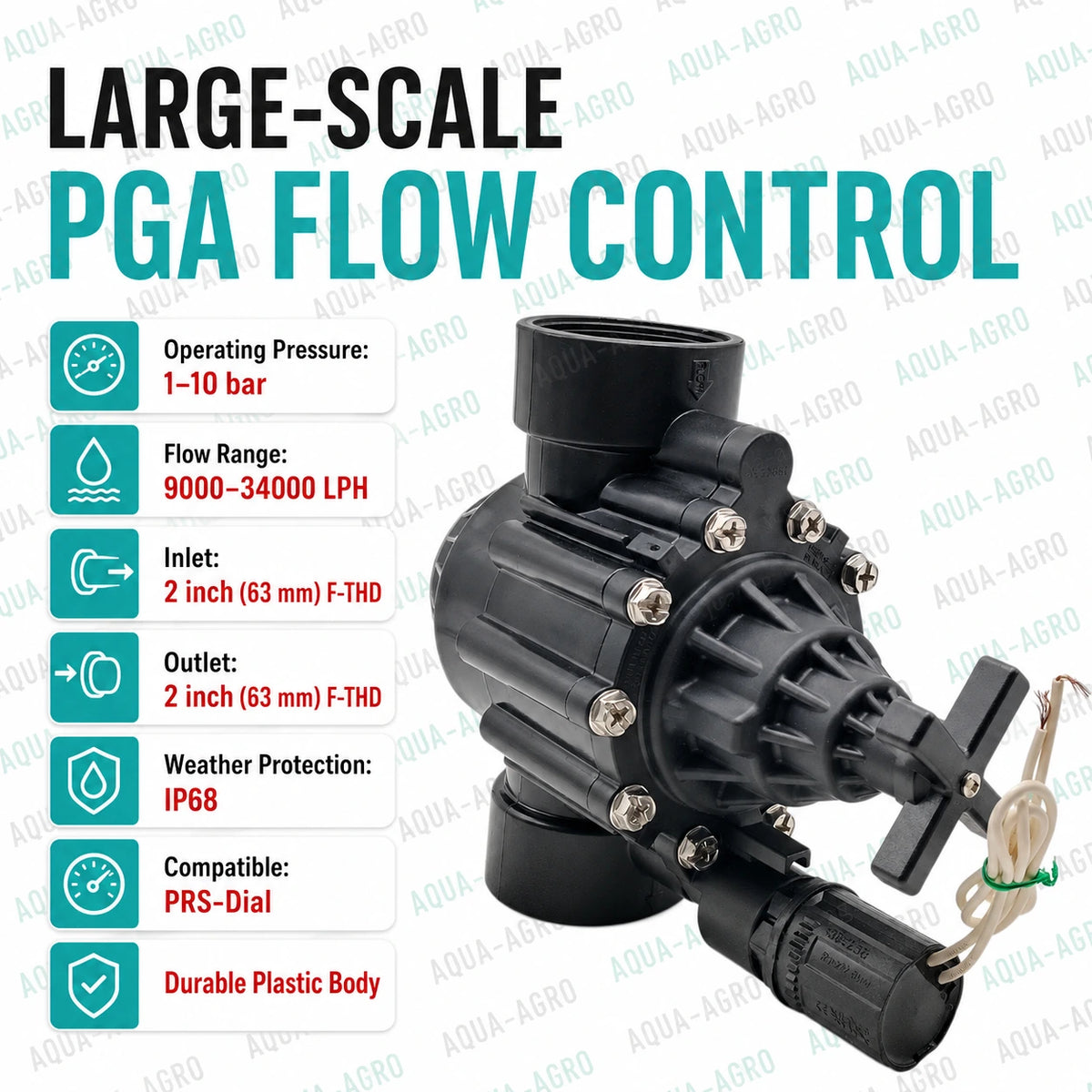
Explore solenoid valves from reputable suppliers like hunter, rain bird and U-flowat Aqua Agro today!
Solenoid valve price and value
Prices for solenoid valves depend on their size, material, and how they work. Buying good valves will make sure they work well for a long time and keep upkeep costs low.
Metal and hydraulic valves
Overview of metal valves in industrial and agricultural applications
Metal valves are durable and withstand high pressure, making them suitable for industrial and agricultural systems requiring robust solutions.
Hydraulic valve types for effective control
Control and flow valves are two types of hydraulic valves that make sure that fluids are precisely controlled in complex industrial and irrigation systems.
Installation and maintenance tips
How to set up an automatic irrigation system
- Plan the layout: Map the water distribution area.
- Install solenoid valves: Position valves near water sources for easy access.
- Connect pipes and timers: Ensure secure fittings and automate the schedule.
- Test the system: Check for leaks and ensure even water flow.
Ensuring longevity of solenoid valves and hydraulic valves
- Regularly clean the valves to prevent clogging.
- Check for wear and tear in seals and replace when necessary.
- Use appropriate filters to prevent debris from entering the system.
Conclusion
Why solenoid valves are key to automation success
Solenoid valves enable precise and efficient control of water systems, making them essential for modern automation solutions in agriculture and beyond.
Embracing automated irrigation for efficiency
By adopting solenoid irrigation valves and automated systems, users can achieve better resource management, healthier crops, and significant labour savings.